All Products



ContiClassic® Artificial Urinary Sphincter is used to treat urinary incontinence due to sphincter deficiency in cases such as incontinence following prostate surgery.6
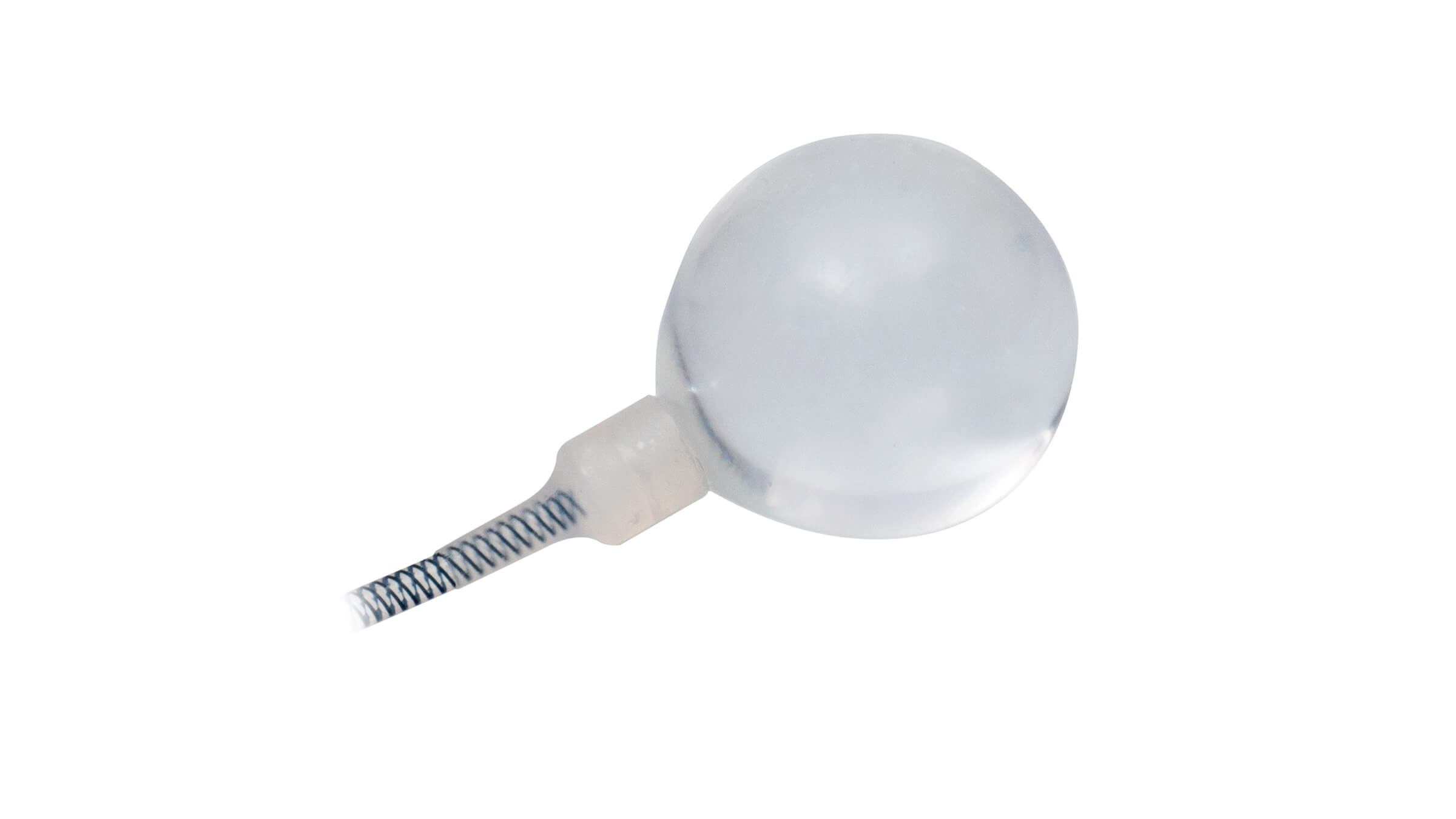
We offer five different size of Pressure Regulating Balloon options, each designed to function optimally at a specific pressure level.
- ContiClassic ® PRB Sizes
40 – 49 cm H20 50 – 59 cm H20 60 – 69 cm H20 70 – 79 cm H20 80 – 89 cm H20
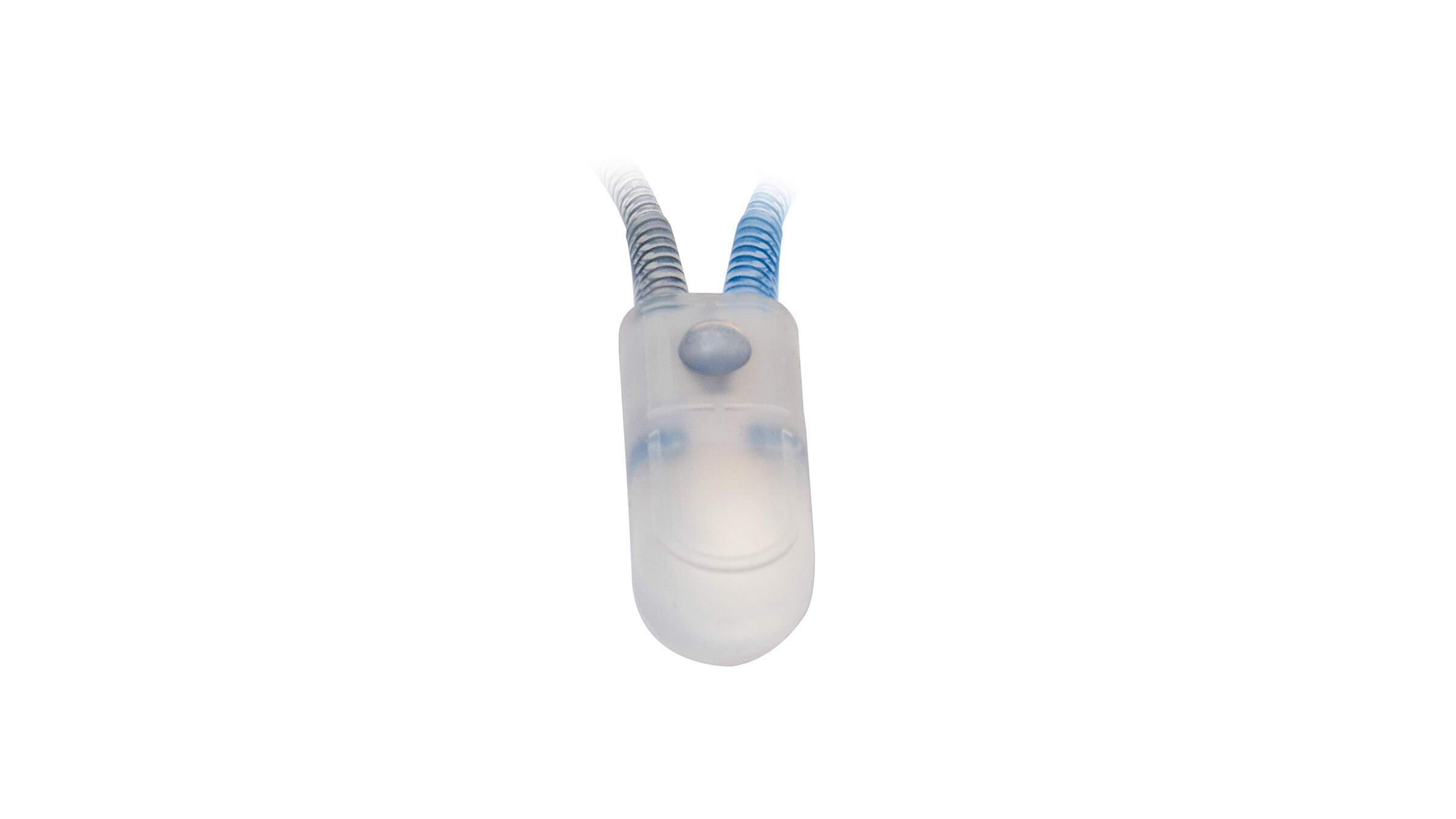
The ContiClassic® Control Pump is designed with an easy-to-use deactivation button to make turning the device off more convenient. Night-time deactivation may help reduce the risk of urethral atrophy (thinning of the urethra) and recurring incontinence. Nightly-deactivation may be recommended for patients who are dry at night and are committed to reducing the risk of urethral damage that may be caused by prolonged cuff pressure.
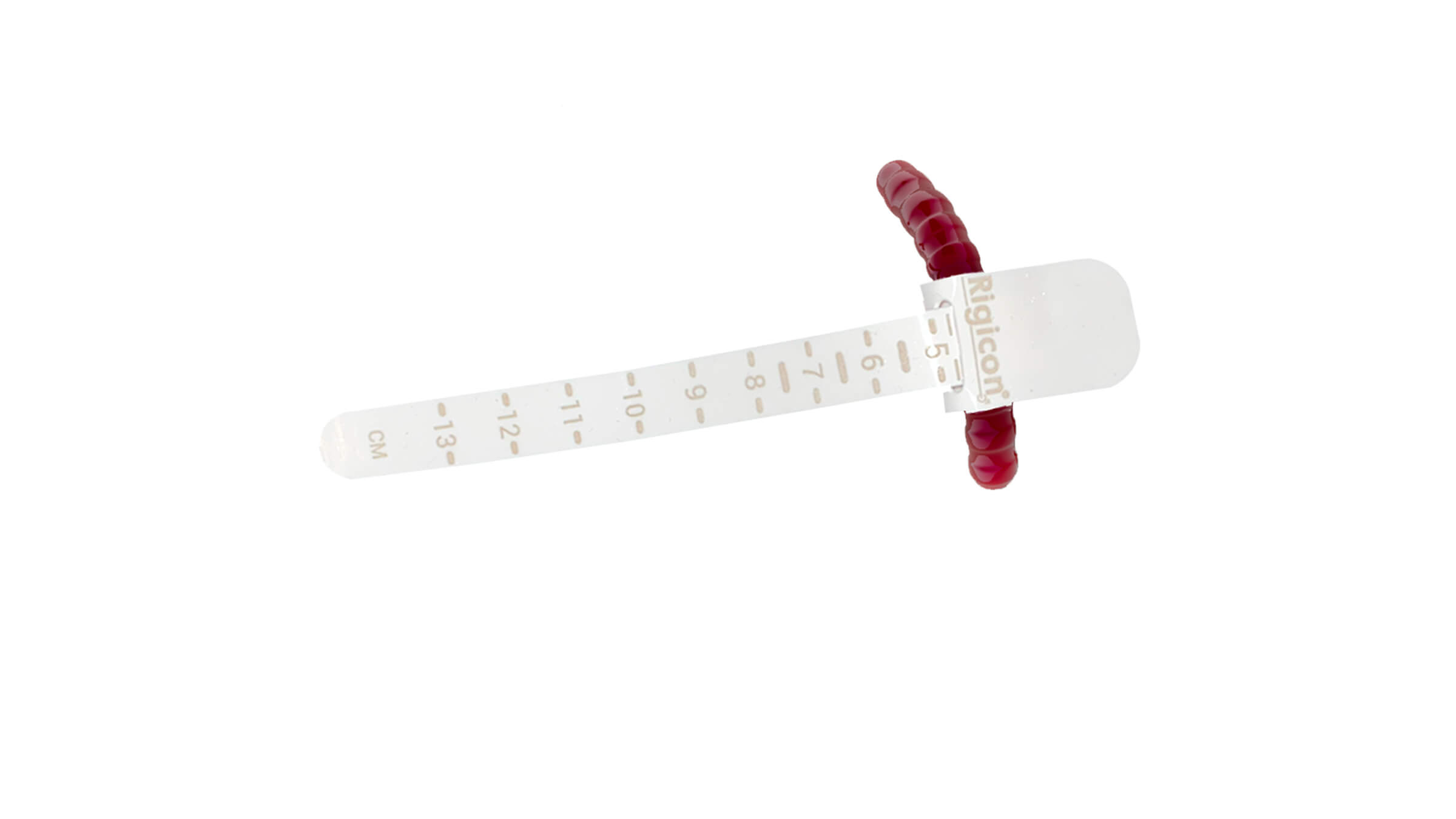
ContiClassic® Artificial Urinary Sphincter offers a comprehensive range of occlusive cuff sizes, providing surgeons with unprecedented flexibility in tailoring the device to each patient’s unique urethral anatomy. The diverse selection of cuff sizes spans from 3.5 cm to 13.0 cm, with increments as precise as 0.25 cm in certain ranges, allowing for exceptionally accurate fitting. This extensive array of options enables surgeons to achieve a more personalized and potentially more effective treatment for patients with varying degrees of urinary incontinence.
-
ContiRegular ® Occlusive Cuff
3.5 cm 5.5 cm 9.0 cm 3.75 cm 6.0 cm 9.5 cm 4.0 cm 6.5 cm 10.0 cm 4.25 cm 7.0 cm 11.0 cm 4.5 cm 7.5 cm 12.0 cm 4.75 cm 8.0 cm 13.0 cm
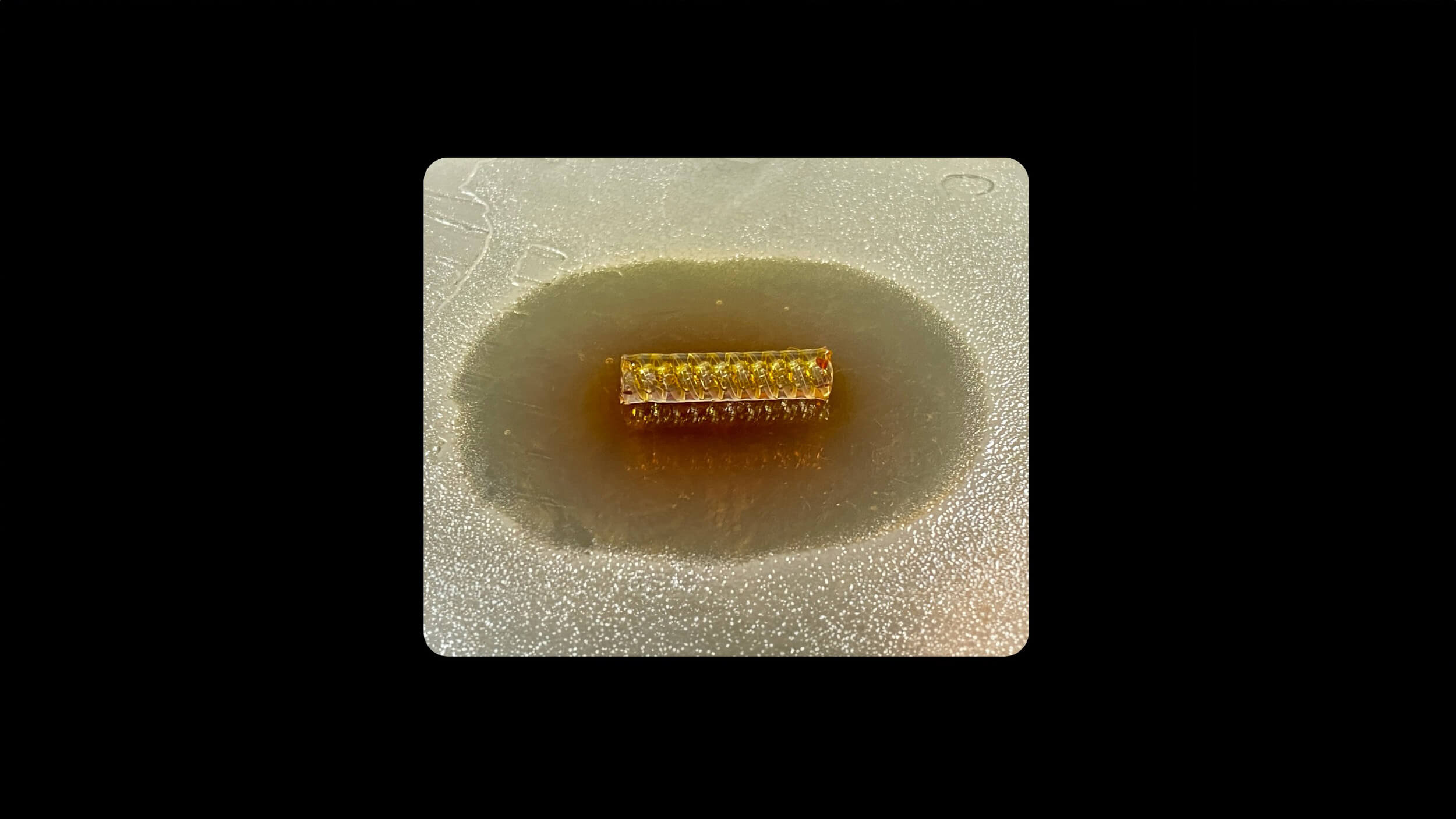
Unlike competitors, ContiClassic® is uniquely manufactured with a HydroShield™ hydrophilic coating on all external surfaces, including the pressure-regulating balloon. The HydroShield™ Coating allows for diverse dipping options enabling a customized approach to meet the specific needs of the surgeon and the patient.
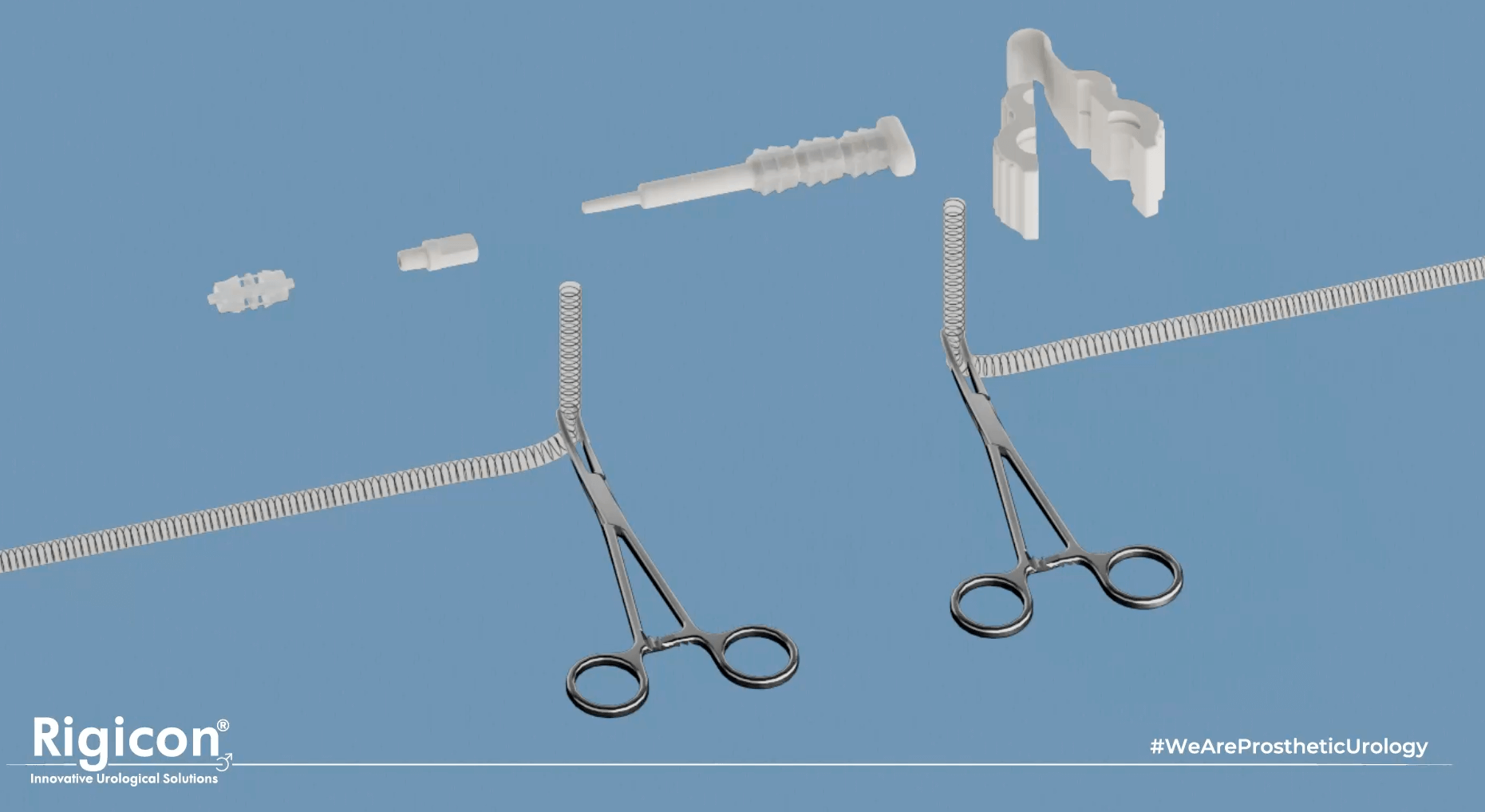
Kink-resistant tubes are connected easily and manually without the need for any additional assembly tools.
The ContiClassic® control pump stands out by featuring a remarkably soft pump, effortless post-recovery activation, and intuitive pump manipulation for an enhanced patient experience.
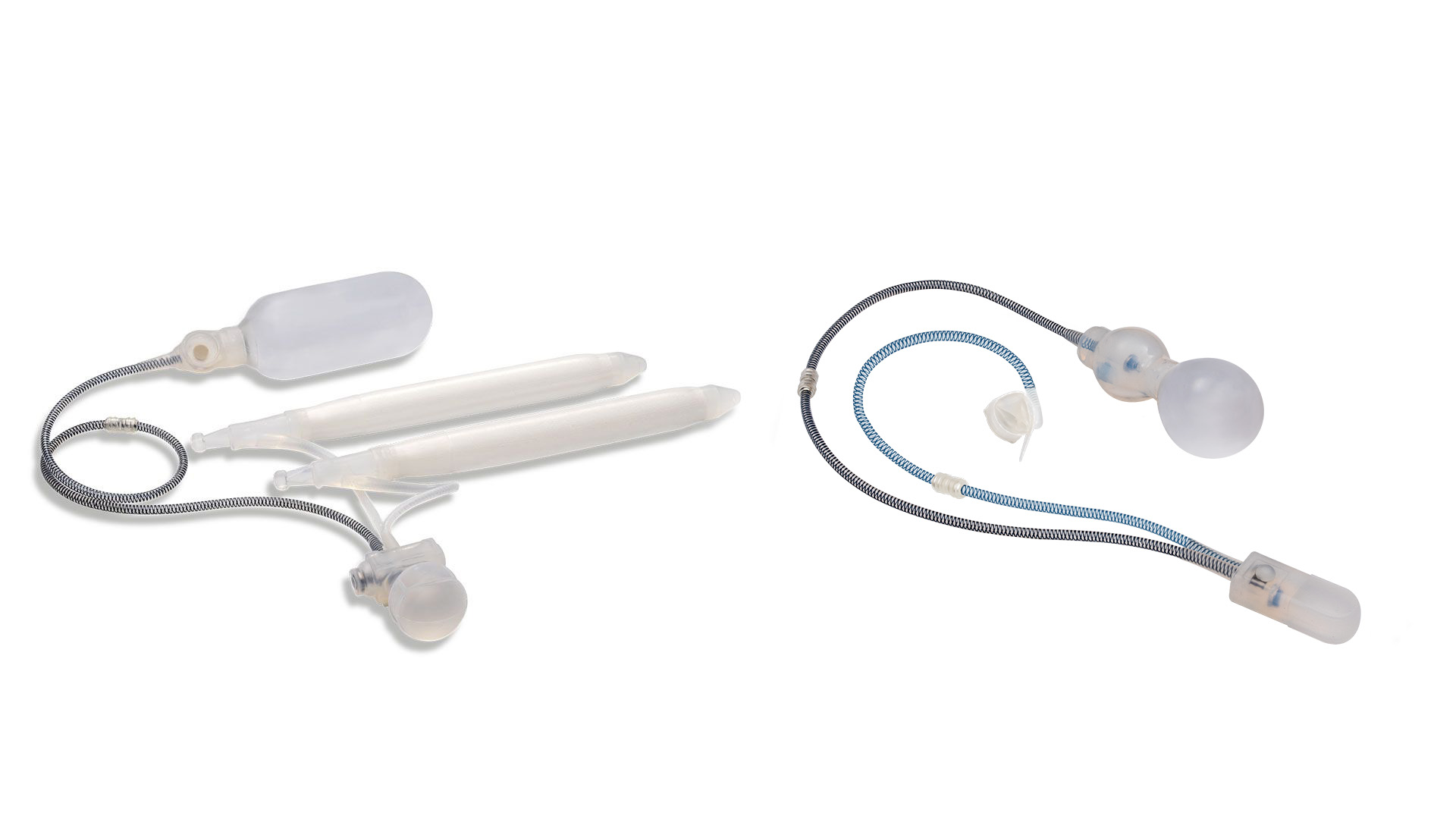
The ContiClassic® is fully compatible with and can be implanted alongside any of the Infla10® Inflatable Penile Prosthesis models5.
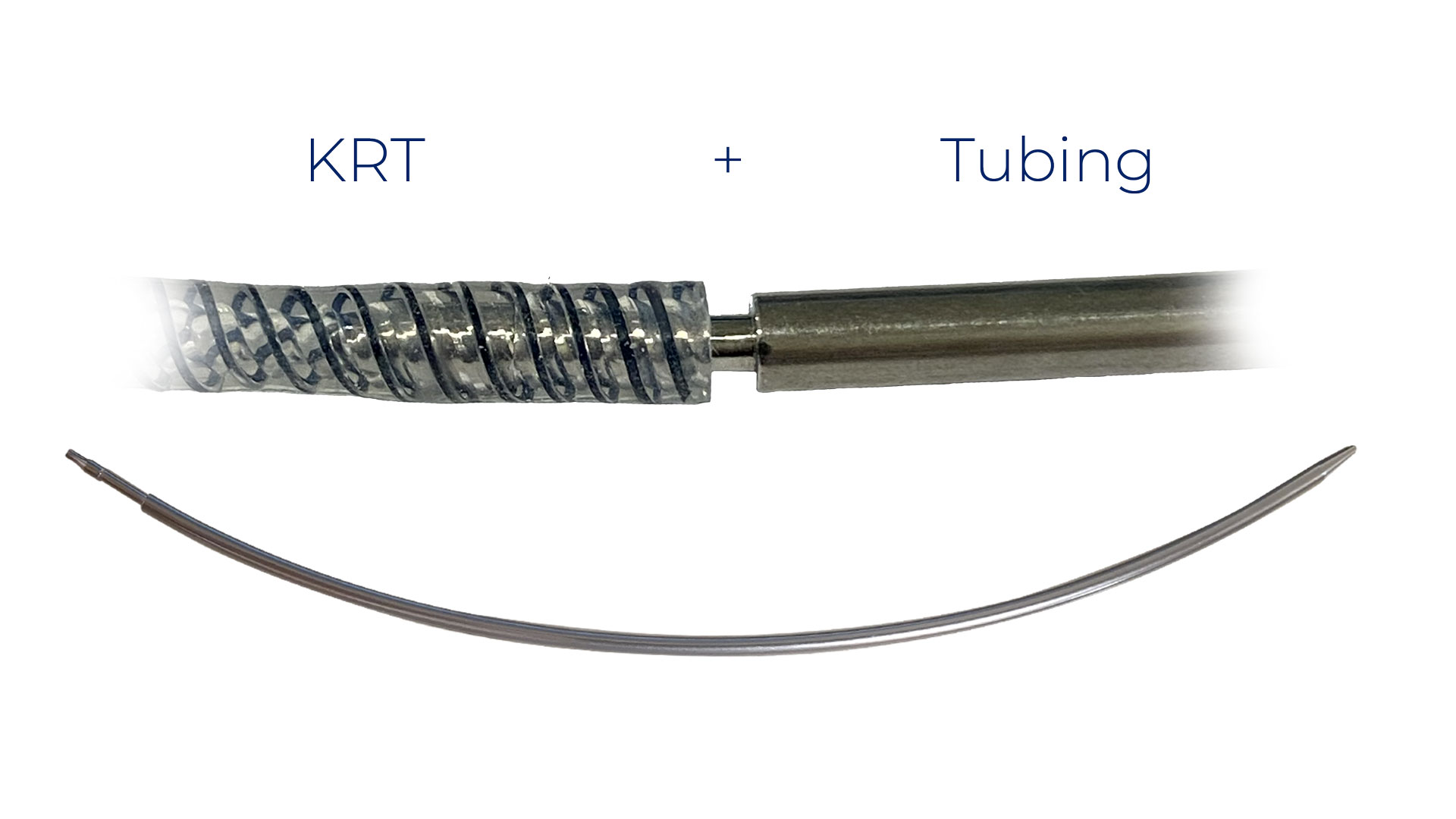
Tubing Passer, included in the Conti™ Accessory Kit, provides the implanting surgeon the ease of seamless tube transfer between two incisions.
We offer five different size of Pressure Regulating Balloon options, each designed to function optimally at a specific pressure level.
- ContiClassic ® PRB Sizes
40 – 49 cm H20 50 – 59 cm H20 60 – 69 cm H20 70 – 79 cm H20 80 – 89 cm H20
- ContiClassic ® PRB Sizes
40 – 49 cm H20 50 – 59 cm H20 60 – 69 cm H20 70 – 79 cm H20 80 – 89 cm H20
The ContiClassic® Control Pump is designed with an easy-to-use deactivation button to make turning the device off more convenient. Night-time deactivation may help reduce the risk of urethral atrophy (thinning of the urethra) and recurring incontinence. Nightly-deactivation may be recommended for patients who are dry at night and are committed to reducing the risk of urethral damage that may be caused by prolonged cuff pressure.
ContiClassic® Artificial Urinary Sphincter offers a comprehensive range of occlusive cuff sizes, providing surgeons with unprecedented flexibility in tailoring the device to each patient’s unique urethral anatomy. The diverse selection of cuff sizes spans from 3.5 cm to 13.0 cm, with increments as precise as 0.25 cm in certain ranges, allowing for exceptionally accurate fitting. This extensive array of options enables surgeons to achieve a more personalized and potentially more effective treatment for patients with varying degrees of urinary incontinence.
-
ContiRegular ® Occlusive Cuff
3.5 cm 5.5 cm 9.0 cm 3.75 cm 6.0 cm 9.5 cm 4.0 cm 6.5 cm 10.0 cm 4.25 cm 7.0 cm 11.0 cm 4.5 cm 7.5 cm 12.0 cm 4.75 cm 8.0 cm 13.0 cm
-
ContiRegular ® Occlusive Cuff
3.5 cm 5.5 cm 9.0 cm 3.75 cm 6.0 cm 9.5 cm 4.0 cm 6.5 cm 10.0 cm 4.25 cm 7.0 cm 11.0 cm 4.5 cm 7.5 cm 12.0 cm 4.75 cm 8.0 cm 13.0 cm
Unlike competitors, ContiClassic® is uniquely manufactured with a HydroShield™ hydrophilic coating on all external surfaces, including the pressure-regulating balloon. The HydroShield™ Coating allows for diverse dipping options enabling a customized approach to meet the specific needs of the surgeon and the patient.
Kink-resistant tubes are connected easily and manually without the need for any additional assembly tools.
The ContiClassic® control pump stands out by featuring a remarkably soft pump, effortless post-recovery activation, and intuitive pump manipulation for an enhanced patient experience.
The ContiClassic® is fully compatible with and can be implanted alongside any of the Infla10® Inflatable Penile Prosthesis models5.
Tubing Passer, included in the Conti™ Accessory Kit, provides the implanting surgeon the ease of seamless tube transfer between two incisions.
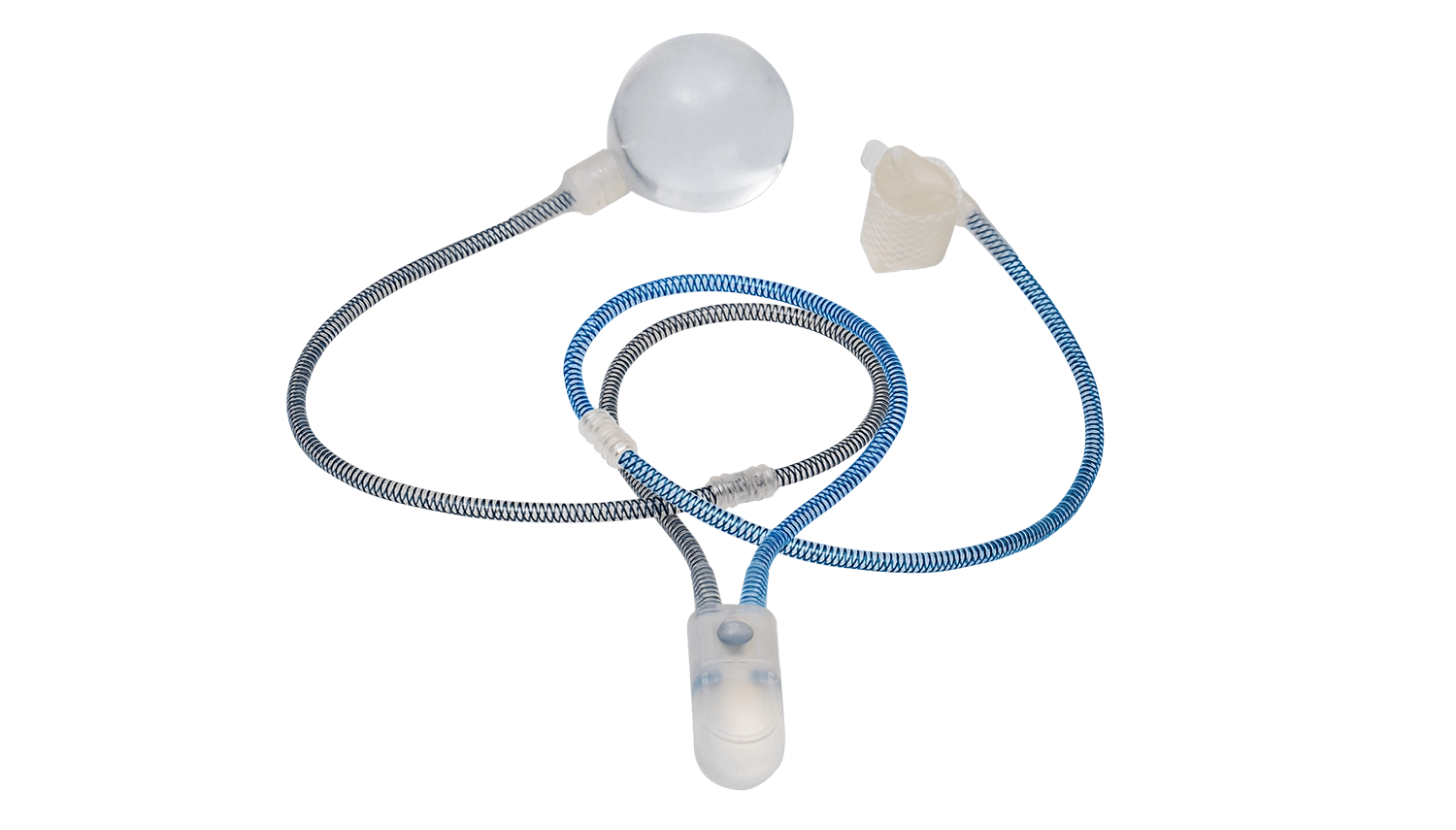
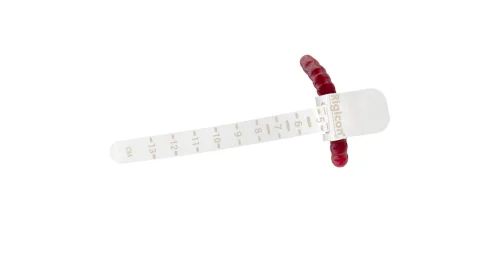
Occlusive Cuff
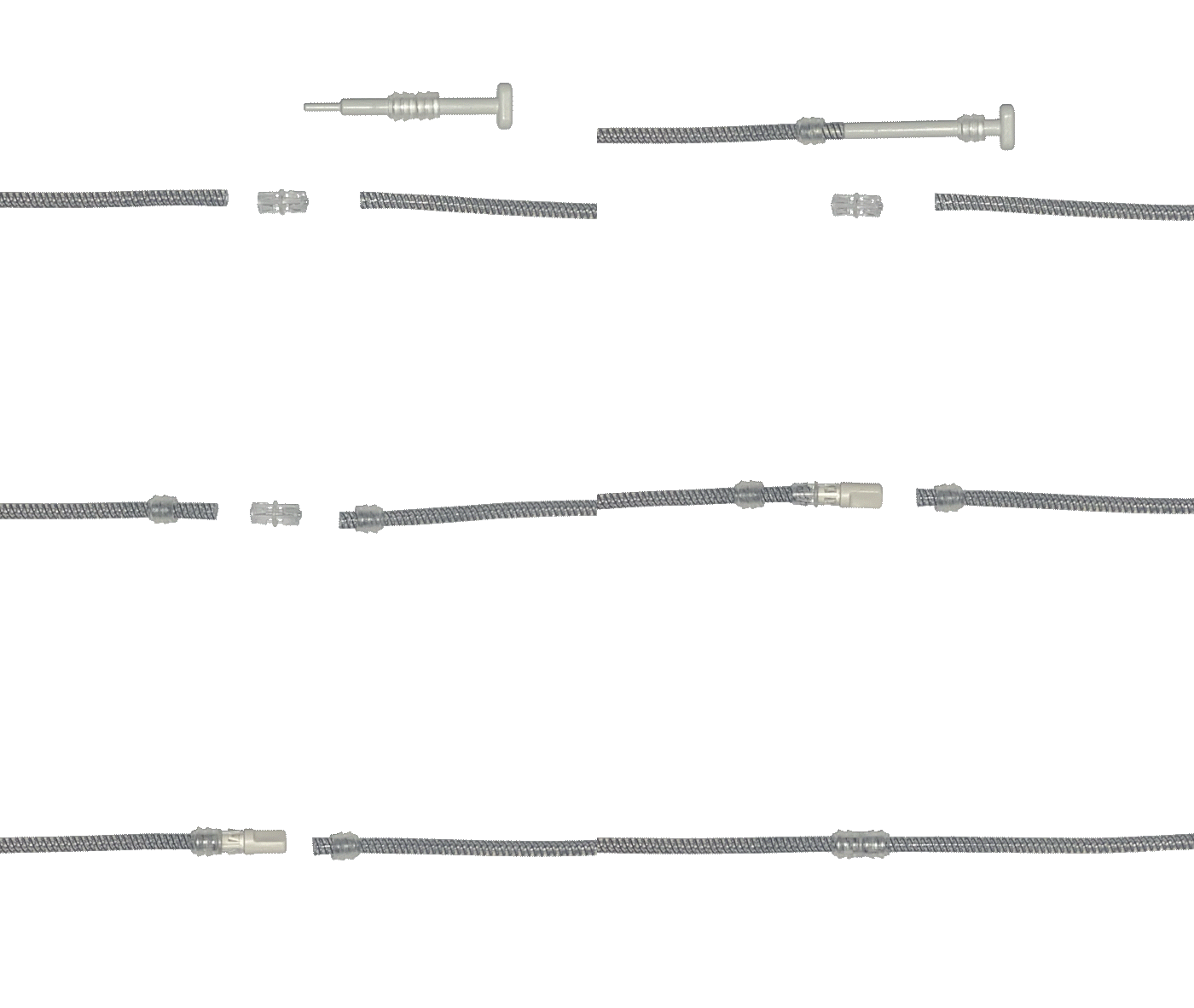
EasyClick™ Connector

Kink Resistant Tubing
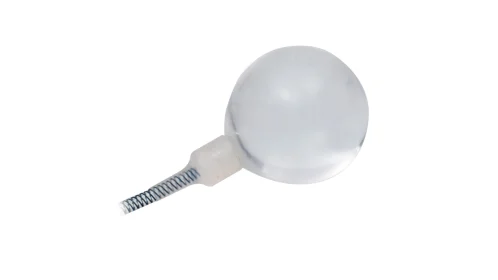
Pressure Regulating Balloon

Deactivation Button
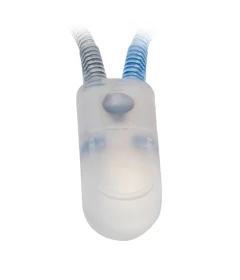
Control Pump
These video resources are strictly for medical education. The footage contains graphic clinical procedures and is intended solely for healthcare practitioners.
Important: Video files are typically large. Download duration may fluctuate based on your internet connection speed. A robust, high-bandwidth connection is recommended for smooth playback and optimal learning experience.
Hello and welcome to our special session on artificial urinary incontinence. Today, we are joined by three distinguished experts in the field of urology who have made significant contributions to the advancement of urological prosthetics and male sexual health. First, we have Professor Koenraad van Renterghem from Belgium. Professor van Renterghem is a highly trained and experienced urologist specializing in general urology, andrology, and urological prosthetic surgery. He serves as a professor at Hasselt University and a consultant urologist at University Hospitals in Leuven. He is renowned for his research in prostate pathologies and erectile dysfunction, and he brings a wealth of knowledge and expertise to our discussion today.
Welcome, Professor. Thank you. Next, joining us from the UK is Mr. Rowland Rees. Mr. Rees is a leading consultant urologist based in Hampshire and London, specializing in male infertility, erectile dysfunction, and male incontinence surgery. He’s one of the UK’s few full-time dedicated specialists in andrology and genital urethral surgery. Mr. Rees is also actively involved in clinical research, making him a valuable voice in our conversation today. And lastly, we’re honored to have Dr. Tobias Pottek from Germany. Dr. Pottek is an esteemed urologist focusing on reconstructive urology and male sexual health.
He is known for his proficiency in penile implants and, particularly, artificial urinary sphincter procedures. Dr. Pottek has significantly advanced surgical techniques in this field, and his expertise will greatly enrich our discussion. Thank you all for joining us today. Thank you. To start our discussion, let’s address some of the key questions that patients often have about the artificial urinary sphincter. The first one being: “How do I know if I’m a candidate for the artificial urinary sphincter?” Professor van Renterghem, could you explain how a patient might determine if they are a suitable candidate for an artificial urinary sphincter?
Well, to start with a technical answer, the artificial urinary sphincter is a treatment for patients with refractory stress incontinence. To make it a little bit more clear to the audience, you have more or less two types of incontinence: one is urge incontinence, which is incontinence due to an overactivity of the bladder, which means that you can lose urine because you’re too late to get to the toilet, to the restroom. We are talking about the other type of incontinence, which is stress incontinence, which does not have to do anything with stress situations.
“Stress” here means pressure. When the pressure in the abdomen, in the belly of the patient is high, and the sphincter, so the muscle, the pelvic floor is not strong enough to keep the urine in the bladder, you will have loss of urine. In a normal clinical situation, this is that you lose urine, for example, when you’re doing an exercise, when you’re lifting a weight, when you’re coughing, when you’re sneezing. And these patients, we see them most frequently after prostate surgery, mainly surgery for prostate cancer, but it can happen also in surgical treatment for benign prostate enlargement.
So, severe incontinence not responding to pelvic floor exercises, mainly after prostate surgery, mainly in prostate cancer. Thank you, Professor van Renterghem. On to the second most common question: “How does the artificial urinary sphincter work?” This is addressed to you, Mr. Rees. If you could walk us through the mechanism of the artificial urinary sphincter and how it helps in managing the urinary incontinence. Well, thank you. Yes, so, it’s a simple device really. It’s a mechanical device that essentially mimics the actions of our own, urethral sphincter, I.E., it essentially compresses or squeezes the urethra to prevent urinary leakage.
And when, as Professor van Renterghem mentioned, the intrinsic, our own sphincters are deficient, then an artificial sphincter can do pretty much the same thing. Essentially, it’s a plastic cuff that sits around the urethra, so it’s not inside the “waterworks,” it sits around, the urethra, compressing it. And it’s got an amount of fluid, or saline, salty water, essentially, in this so-called cuff that sits around the urethra, pressing on it. And then the second component is a little pump. And a pump sits, usually in men, it will sit in the skin of the underneath the skin of the scrotum, and that can be felt underneath the skin.
When the patient, or the gentleman, presses on the pump, then the pump essentially empties the cuff of saline, and the pressure comes off the urethra, allowing the bladder to empty. And the fluid is actually pushed into another component. The third component, which is a little pressure regulating balloon which contains that fluid for a short while, and then gradually, once the patient passes urine, the pressure regulating balloon pushes the fluid back into the cuff, and it compresses the urethra again, regaining continence. So, it’s a very simple mechanical device.
As they say, it’s been around for 50 years almost, and it depends on those simple mechanical principles of pressure. Thank you, Mr. Rees. On to the third most common question, and this one is to you, Dr. Pottek. Once a patient has done their research, they would ask, “Can I choose the type of AUS that I’ll be receiving?” Dr. Pottek, are there different types of AUS available, and can patients choose the type that they receive based on their specific needs? Well, that’s an interesting question, and I think it’s a little bit different from where the patient lives.
In Germany, we have a law that says you can choose your doctor. Everybody is free to choose their doctor, but you do not know exactly what the doctor does. Yeah, we have these times, we have three companies who are building and selling artificial urinary sphincters: Boston Scientific, who have the American Medical Systems, the old one, which is 50 years old now. Then we have Zephyr from Switzerland and France, and we have Rigicon from the USA and Turkey. And all these three companies make the thing a little bit different, and what I always say in my clinic is that it’s very good to have all these three things.
Except, we also have male slings for some patients who are living in very special conditions. For 10 to 15% of the incontinent patients, male slings are enough. But if you have taken the choice by recommendation of your doctor, you should get an artificial sphincter. You should ask him, “Which of the three sphincters do you implant? What do you think is the best for me?” Then he will say to you, “Okay, I’m using, for several years, the products of company number…” And then you can ask him, “Why don’t you use the other ones?
And do you know the advantages and disadvantages?” And then he must say something. He must answer you. If he cannot answer, he doesn’t know all three things, and he doesn’t know the advantages and disadvantages for them. We do that in my clinic, we differentiate very intensely. We check if the patient has a constant pressure in his abdomen or if he has a changing pressure in his abdomen because there are different systems available for these two conditions. We ask, “Is it possible to implant a balloon into the abdomen of the patient?
Did he have a lot of surgery before? Maybe then it would not be so very keen to implant something into the abdomen. Then it may be better to have a system which is only in the perineum. So on and so on. So, there are a lot of questions with which can be answered by an expert, and the patient is not the expert. The patient is the expert for himself, and he has to choose his doctor by his feelings. If he trusts the doctor, and if the doctor can say, “I know all these three products, and I also know male slings, and for you, I recommend to take this or that,” and you have the feeling as a patient, “I can believe him,” then give yourself into his hands.
Thank you, Dr. Pottek. This was greatly informative, especially that it’s a topic that’s mainly discussed nowadays, the patients are doing their own research with Dr. Google. So, thank you for answering it accurately. They should all go to their specialist and take it from there. Also, I’ll circle back now to Professor van Renterghem with a common question, especially that the patient will be getting an implant, an artificial body in their own body. The question goes: “Will the AUS be noticeable to other people?” Professor van Renterghem, one common concern is whether the AUS will be noticeable.
Can you shed some light on this? Well, let me give first a very short, clear answer: the answer is no. Of course, I would like to explain a little bit why the answer is no. I think that this question might originate a little bit in penile implant prosthesis. Because this is a comparable device also, as Mr. Rees explained, a three piece device in many patients. And this is maybe a little bit more noticeable in a patient than an artificial urinary sphincter. As Mr. Rees explained how an artificial urinary sphincter works.
While the first element of the device is the cuff, which is around the urethra, which is really inside the body of the patient, so this is not noticeable, not at all. The second part is the pressure regulating balloon which is located in the lower abdomen. So once again, this is not visible, not noticeable. Of course, by definition, the pump, which is meant to work with a device, this should be noticeable, but to be more specific, it’s not visible when you look on the outside. You will not see there is a device inside the patient.
This is more or less the same with a penile implant by the way. From the outside you cannot really see anything. Of course, you need to feel, you need to have a tactile feedback, and you should be able to localize the pump. Because this is the part of the device that you need to handle, and that you need to use, so that the device works. So the only thing that is possible to be felt, if you feel and you manipulate the scrotum, is the pump. The pump is very small, it’s about 2 cm long, and it’s less than 1 cm in width, so it’s a very small thing, but you can of course, you can feel it.
Because this is the way you have to manipulate, and let it function. Thank you, Prof. van Renterghem, for easing the doubt on the patients. That the concealability is great, and it will not be noticeable, and I’ll continue with the Mr. Rees onto a postoperative question. That goes as follow: “What can I expect, Mr. Rees, during the recovery from the surgery?” And what should a patient expect during this period following the surgery? Okay, so the operation itself is tends to be done under a general anesthetic, takes an hour or so, an hour and a half sometimes, and can be done as a day case operation or sometimes a one-night stay.
I think those would be the typical scenarios and it’s usual to have a catheter in, usually for a short period during the surgery and afterwards, and that’s soon removed, either the same day or the next day. And then the key things for patients to appreciate is that it is not immediately effective. In other words, once the artificial sphincter has been inserted, there has to be a period where it, I describe it as “bedding in,” where it’s left deactivated, or switched off essentially. So that the body can get used to it effectively, and it does not activated straight away.
I explain to patients that they will still be incontinent for a period of time, still need their pads, or their convenes, or whatever they’re using, for anything up to six weeks after the surgery. So, that’s part of the deal. Now, in terms of physical recovery, then it’s very, I make the analogy of hernia surgery with patients sometimes, that’s the level of surgery in that for the first week, I tell them just to potter around at home, don’t do too much. Certainly, don’t do too much too soon.
A lot of these patients are, as mentioned, post-prostatectomy, they may be in their 70s or their 80s, and healing takes time. And therefore, for the first one or two weeks, activity levels should be fairly low. Really, then after two weeks, they can start to do walks and get out and about and build up their physical activity a little bit more, and then in terms of heavy lifting, not that everybody wants to do heavy lifting, but certainly, heavy lifting, I would say wait the full six weeks.
Uh, my typical post-operative care is to either meet the patient or call the patient at around two weeks to check how things are going. Check the wound, and then I bring them back at around six weeks following the surgery, and that’s the day where the device is turned on, or activated, and therefore, that’s the moment of truth where we get to find out, hopefully, the patient is dry, continent, and thankfully, the vast majority are. That’s a comforting postoperative period to look forward to, especially when accompanied by an expert.
Thank you, Mr. Rees. Dr. Pottek, I’ll circle back to you now. You answered the question on choosing the type of sphincter, and once this choice is made, the question would be: “How would I prepare for the surgery?” So, Dr. Pottek, could you give us some, some guidelines on how patients should prepare for the days leading up to their surgery? Yes, it’s a little bit like in sports. You know, you the better prepared you go in, with a better results you come out, and very important for implantology.
We are implanting a foreign body into the body of the patients, is that the body does not reject it. The reason for rejection in the most cases is infection. So, the contamination of the surface of the implant by bacterial, um, germs, and biological films. Let’s say, like this, and the problem is that patients who have a bad opportunity to, to fight against that have a higher chance to get a rejection and an infection of the devices. So, what do you have to do? There are some factors which are very important.
Number one is smoking. Smoking makes the rate of infections more than 10 times higher than a non-smoker. That’s a whole lot. So, I know there are some implanters who say, “Before you stop smoking, I will not implant you a foreign body. I will not implant you a device.” So, that’s a very hard decision, I don’t do that so hard, but my recommendation is you have to try to stop smoking for the rest of your life because it brings nothing. There, there is no advantage by smoking.
There, it’s nothing. It only makes you sick. But especially for this time now, you must try to go down to zero cigarettes every day. That’s the first thing. The second is diabetes. A lot of people have in the, let’s say, third, third of their lives, they get diabetes. They are obese. They have a high, weight, and sometimes diabetes occurs, and you can blow the diabetes away. What you can do is to sync your weight. Reduce your weight by, by dietetic measurements. So, we say Mediterranean food, olive oil, omega-3 fatty acids, and all these things to try to, get down with the weight and to strengthen your muscular power.
This is very important. And the second is not every patient can reduce his diabetes by dietary measurements. Then you have to talk to your doctor, to your diabetologist, and tell him, “I want to have an implant, and please help me to reduce my diabetes as high as possible or as low as possible.” There is one laboratory finding, the HbA1c, it should be under seven, in the in the German terminology. In different countries, the, the level is different, but you can ask your doctor what is the best level for having, having surgery with my diabetes.
So, this must be, in close context with, with a diabetologist and the GP. Third thing is hypertension. Hypertension deteriorates the microcirculation, and it’s very important to have a good microcirculation around the implant because we need the healing there. Yeah, there will be scars; that’s normal. But in a scar, the, fighting potency against germs is low, and the better the microcirculation is, the better is the healing. And one very deciding factor is the blood pressure, so you can do it also together with the GP or in the internal doctor, take medicine, if necessary to get the level of the, of the tension of the blood pressure down as down as, as possible.
These are the three things: smoking, diabetes, hypertension. Thank you, Dr. Pottek, for highlighting the patient screening and the importance of looking into their medical history before proceeding because all of you, gentlemen, have dealt with patients who show up, have done their research, and straightforwardly ask you for the sphincter. So, back to Professor van Renterghem, you’ve shown us how the patient might determine if they’re suitable for artificial urinary sphincter, and you mentioned the level of incontinence, whether it’s mild, severe, or light. Definitely, there are other choices.
So, the question to you is: “What should I discuss with my doctor before getting this artificial urinary sphincter?” First, let me explain what I tell all my patients. If they come for either incontinence, either erectile dysfunction, and they are looking to have an implant. Well, first of all, this is a non-life-threatening condition. So far, nobody died of erectile dysfunction. Nobody died because of incontinence. So, you should make your patient clear that is this condition bothering enough to have a surgical intervention? This is the first question I think you should discuss with your patient.
And, uh, it’s striking to see how patients can look very different towards this question. There are patients that are very happy with a suprapubic catheter, with a, a convene, a condom catheter, with a diaper. So, they should be willing to undergo surgery. It’s not a big operation, as Mr. Rees explained, but, um, anyway, it’s an operation with a certain risk, and as Dr. Pottek told us, there are some risks, for example, infection, rejection. So, this is the first thing. The second is what you mentioned, Yves, how severe is the incontinence, and um, I think Dr.
Pottek mentioned already the possibility of a male sling. So, you have the artificial urinary sphincter. On the other hand, you have also a male sling, which is a little bit comparable to the sling operations we do in female patients when they have stress urinary incontinence. Of course, because of the, an anatomy of the male patient, it’s more complicated to have a male sling, uh, inserted in a patient compared to a sling in a female patient. The big difference is what you mentioned: the amount of urine loss, and um, another thing we didn’t really talk about, but Tobias, as you mentioned, the different types of devices, uh, Zephyr, and Rigicon, and Boston Scientific.
In our country, only Boston Scientific is reimbursed, so this might also be a local condition, uh, that might be important in which device you can offer the patient. So, anyway, if you talk about the male sling, the male sling is in Belgium, not reimbursed, which means that a patient has to pay a couple of thousand euros out of his own pocket. However, many patients today have private insurance on top of the National Health Care system. So, many patients do have coverage of the expenses of an implant or a sling, but this might also be something that you have to take into account: is the patient insured or not?
And then, let’s talk about the amount of um, urine loss. I’m quite conservative, which means that, on the one hand, there are urologists doing slings in patients with urine loss over 400 CCs per day. I think that is far too much. If I operate on a patient, and he has to pay out of his own pocket two to 3,000 euros, and he ends up with the same level of incontinence, he will be very unhappy. So, this is one of the reasons that I’m quite conservative, and I, uh, limit the amount of urine loss.
I prefer that they lose less than 100 CCs per day, which is, if you look at 100 CCs, it’s also a lot of urine. If you just pour a glass of water with 100 CCs on your pants, you will be really wet. Another thing that is important, of course, an artificial urinary sphincter, and this is one of the questions that will come up uh, later on, you might have mechanical problems that might need reintervention. However, if you look on the long-term results of artificial urinary sphincter regarding continence and you compare this to a male sling, it’s striking to see, and this has been published in European Urology, that the efficacy on the long-term between an artificial urinary sphincter and a male sling is more or less the same.
So, the recurrence of incontinence in both patient groups is, after a couple of years, the same. So, you have to discuss with your patient all these, uh, factors involved. But to answer your question short and briefly, to, uh, to resume, I think the amount of urine is the most important question that you have to ask your patient: “How much do you lose?” And I prefer them to weigh, they have to weigh the urine loss per day, which is not that difficult. Thank you, Professor van Renterghem.
I’ll circle back to Mr. Rees, who addressed, the kind of physical activities that the patient can still engage in, or not, especially in the recovery period. As we know, not all patients need the same lifestyle, and as you, gentlemen, establish, this is not a life-threatening surgery. It’s what we call in our field an elective surgery. So, if we have to categorize different patients by different lifestyle categories. Mr. Rees, how does having an, AUS affect the patient’s ability to engage in their different levels of physical activities, postoperatively?
Well, thank you. Yeah, I mean, when, patients come to see me to talk about this, problem, then one of the things I say initially is that the aim of this is to restore their lifestyle back to what it was like before they had the problem, or typically before they had their prostate removed. and very often, you know, we, we don’t see people straight away. There may be a delay in presentation for various reasons. also, they will have lowered their expectations. So, they might say to you, “Oh, before I had my radical prostatectomy, I used to play golf, and I used to go running and sailing, and this and that and the other and now, you know, because of the leakage, I don’t really do this.”
And they’ve reset their expectations. And therefore, one of the key factors when you’re treating this condition, I think particularly with sphincters and slings, is that we aim together with a patient to try and restore their lifestyle to the expectations they had beforehand. And I often, therefore, ask them, “What, you know, what did you do? What, um, what, what would you like to be doing?” And then they will let me know, they might be playing golf, they might be, uh, swimming, walking up mountains, goodness knows what, and therefore, I mean the short answer to this question is, yes, that, we should be aiming with these treatments, particularly with the artificial sphincter, I think, to be able to restore men to, uh, all the physical activities that they would expect to do and did before they developed the incontinence, um, and that includes running, swimming, hiking, sexual intercourse, golf, flying, sailing, whatever, um, there’s a few exceptions that I will tell them about, and that’s particularly anything to do with the saddle.
Now, the, the artificial sphincter cuffs that we’ve talked about sit in the perineum, in the midline of the perineum, and in most people, there is very little um, tissue between the skin of the perineum and the urethra, and hence, the cuff. So, they have to be a little bit careful because that’s a fluid-filled, plastic device that can, you know, go pop if you were to, to probably, be rough with it. And therefore, I say to them that if they’re keen cyclists, that they may want to consider getting a cutout seat where there’s a gap in the middle, so there’s no pressure on the perineum.
And similarly with other, uh, saddle sports. Um, and the other thing, of course, is when they’re sitting down, particularly on hard surfaces, is not to, not to jump, you know, violently onto hard chairs and whatever, but to lower themselves gently because there is that cuff in the perineum that they, we want to try and, get the most number of years out of, and therefore, not treat it too unkindly. So, the short answer is, yes, that after, after this, the whole point of this surgery really is to get back to your original level of physical activities.
Well, thank you, Mr. Rees, and it’s often about setting the expectations right. So, thank you for answering this in detail. Now we’ll move to an often underlooked question for every recipient of a foreign body, especially if, they’re senior enough to be undergoing different medical exams like a magnetic resonance imaging, or an MRI. And the question is now to you, Dr. Pottek. Are there any restrictions or considerations for patients with an AUS when it comes to undergoing MRI scans, for example? Now, the answer is very simple: no, there are no problems.
Yeah, technically spoken, it’s so that the all these devices are MRI conditioned. That’s the technical term, and, there have been a lot of tests for that with the MRI scanners of 1.5 and 3.0 Tesla. That’s what we have in routine examinations for different diseases, and, so on. Because a patient with an incontinence might have some other diseases too, and we have also patients which have neurological, diseases, who need a penile implant, for example, with the encephalitis disseminata. Yeah, and, and these, patients need repeated MRIs of their, their spine, or spine injury patients also.
But we can say if you have an implant from silicone with some small metal pieces inside, most of them are not magnetic. You have no problem to get examined by MRI scanners. Thank you, Dr. Pottek. Last but not least, the topic that Professor van Renterghem touched based on: “How long does an AUS last?” So, it’s about the lifespan of the device and what is the likelihood of needing a revision, and what’s the importance of the warranty on the device and the expertise of the surgeon, and his team around him when it comes to this topic.
It’s a very good, a very interesting, very good question, very important question again. I would like to extend a bit to penile implant also. If you discuss an implant, either penile, either artificial urinary sphincter, one of the issues you have to discuss with your patient is the question: “Are you willing to undergo revision surgery?” Especially in artificial urinary sphincter, this is more important because reinterventions in artificial urinary sphincter are more frequently than in penile implant. There are two reasons for this. One reason is that the mechanism of the artificial urinary sphincter is much more delicate compared to the penile implant, because the pump, the valve, the amount of fluid, it’s all smaller, it’s more delicate.
Another thing is very important. One of the dangers of, or the risks of an artificial urinary sphincter and I come back to the question that Mr. Rees touched: “How does it work?” Well, it works like our own sphincter, which means that in normal condition, the cuff is tight, and is compressing the urethra, which means that 99.9% of the day, the urethra is compressed mechanically by this cuff, which will cause, and I come back now to what Dr. Pottek told us. Because if you have a bad circulation, for example, in the hypertension patients, because of this continuous pressure on the urethra, you might end up with atrophy, and of course, atrophy is a disaster because if you have atrophy, you have a risk of erosion.
If you have an erosion, you have an infection, and you have to take everything out. And if you want to come back, it will not be very easy, normally. So, you should explain that this risk exists, and this is one of the arguments where I like to err on the safe side. I think that you should always aim to have the pressure and the size of the cuff not too small. I would like also to mention now that, you know, as Dr. Pottek told us, we have Zephyr, we have Rigicon, we have Boston Scientific.
Rigicon has a very good invention, which is the, ContiReflex, device, where you have some kind of mechanism to regulate the pressure in the cuff, to prevent a continuous high pressure around the urethra. To answer your question more specifically, Yves, we do know that after 5 years, around 30% of the patients with an artificial urinary sphincter will need a revision because of any problem. If you look at the 10-year survival, we have 50%. One out of two patients that will need a reoperation. If you look on the longer term, 15 years, there will only be 15% of the devices that are still functional.
So, the revision rate is considerable, and this is something that is very important to explain to your patient. However, the revision surgery should not always be very difficult. So, if there is any mechanical problem, I saw a patient today where I, have scheduled him now for a downsizing of the cuff. The reason for this is that after a certain time, you can have some atrophy of the urethra, making that the, uh, the closing pressure is not sufficient enough to prevent incontinence. So, the bottom line of this question is, yes, reinterventions are possible and are not rare.
Thank you, Professor van Renterghem. And thank you, gentlemen, for your precious time, your insightful answers. You have all explained to us that there’s no one-size-fits-all. Then, we have to tailor the solution based on the patient’s medical history, their lifestyle. Their, the adequacy of the solution to them. So, the topic is still open. And before we conclude, is there anything else that the three of you would like to add about the AUS, or any advice for the patients considering this option? I leave the floor open and your microphone open.
Well, I have maybe one small remark regarding the question of MRI, where the answer of Dr. Pottek was absolutely 100% correct. I would like to add that MRI is, in my opinion, a very valuable exam, technical exam we can do if we want to have more information on what might be going wrong with the device. This is even more the case in penile implants, but MRI is the technical exam number one, I think, to have a diagnostic workup if you want to know what is going wrong with an implant, either penile, either artificial urinary sphincter.
And so, indeed, there is no influence at all, or there’s no danger having an MRI with these devices in the patient. That’s one thing I would like to stress, maybe. Thank you, Prof. Mr. Rees, those were common questions, open questions. Is there any other common question that your patients, address when, meeting with you. When we’re counseling patients for this procedure, I think, you know, like I’m sure all of us, you know, it’s, I do believe strongly in realistic, um, management of expectations, and therefore, you know, patients will be more likely to be prepared and happy with the outcome, essentially.
But one of the things I mention is that the in health, for instance, when we sneeze, you know, our pelvic floor will clench, so the pressure on the bladder goes up hugely, and then the pressure on the urethra goes up transiently, and I think Prof. van Renterghem mentioned that in terms of the ContiReflex concept, but, you know, in general, I tend, the ContiReflex is accepted, but in the other implants, I would manage my expectations to, to say that if there are very high pressure rises, such as sneezing, or coughing with a full bladder, and this sort of thing, they may expect a small leak because, of course, the artificial device does not necessarily, the conventional ones, doesn’t, don’t contract or don’t tighten when there’s a rise in pressure.
They just stay the same. They’re not connected to the nervous system. And therefore, most of the outcome measures in most of the studies for this type of operation, would include one pad per day as a successful outcome, and I therefore say to them that, you know, to be realistic, that, you know, just to expect one, even if it’s a very small insurance pad a day, that to expect complete perfection and drip dry is, is sometimes unrealistic. And therefore, particularly for men who are only using one pad to start with, I would say, “Well, you need to consider strongly whether you have anything done because we may not render you pad-free, and that one small pad may be a realistic expectation, and I think that’s something I mentioned to all of all my patients, and they get that, and they’re also very happy because most of them are using multiple pads a day, changing them during the day, changing them, you know, unable to go out for long periods, whereas for most people, one small pad a day is not a problem.
If I may just add two small, small, remarks. One, I think I fully agree, Rowland. I would say, on the safe side. Second, under-promise and over-deliver. So, you should indeed tell them that they might not be completely 100% continent, and therefore, maybe under-promise a bit. There is one recommendation, which from my heart, I tell you. If you have an implant, maybe it’s an artificial urinary sphincter, or a penile prosthesis, that’s not, the problem. If you have an implant, it’s a part of your body, and it’s a part of your life, of your formal life, and you have to take care for that.
And not only you have to take care for that, but also other doctors who are treating you. So, we have some patients who had prostate cancer, which had bladder cancer too. This is possible, it’s a not so small amount, about 10 to 12%, have both cancers and they need aftercare, and the aftercare of bladder cancer is the cystoscopy, put a camera into the bladder, look around, if a recurrent is coming, or something and if you have to do such an examination, if you have to do an endoscopy in a patient who has an artificial urinary sphincter, you must know how to deactivate it.
If a doctor, maybe a urologist, or somebody else, puts his cystoscope through the closed sphincter, he will destroy it, and he must know that there is an artificial urinary sphincter. So, it’s very important for the patient to say, “Hey, doctor, I know you have to make a cystoscopy with me, but do you know, here is my passport. I have an artificial urinary sphincter now since one year or two years, and do you know how to deactivate it?” And if he does not know, give him the small passport, the card you get from the hospital who implanted it, and then the doctor can inform himself.
The internet is full of information, and all the companies who provide medical devices they have special information also for the doctors: how to open the device, and how to deactivate it during the examination, and how to activate it afterwards. So, the patient will again go home with, with dry pants. This is very important, and I’ve seen all the time, a lot of stories, and a lot of problems because somebody didn’t say hello at the right moment, and then it happens, and then the catastrophe is there.
And I don’t want to see that in the future. So, often, like I did it in my past You’re touching a very, very painful point, Tobias. It’s very painful, and, I scare my patients. I tell them, “You cannot allow a doctor to do a cystoscopy, or a catheterization, inside without dealing with a sphincter.” And my patients are very scared even then, and this is what I would like to add. Even then, I have every year one patient to, and I have seen one today. Patient is so scared, he says, “No, you cannot put in a catheter.
I have an artificial urinary sphincter. You need to open it, deactivate it, whatever.” And always, you will find a doctor who believes he’s God. “No problem, I put in a catheter, I do a cystoscopy. Don’t worry, my dear patient, it will not harm.” Of course, it harms, and they, it’s a disaster for those patients. Erosion, explantation, waiting for a long period, having a reoperation, and most of the times with a lesser outcome than the first implant. So, this is very important to, as what you told us in, indeed, if they need endoscopic, uh, handling, whatever they need to take care of the sphincter, but unfortunately, many times, I think, in the UK, in Germany, Belgium, everywhere, you always have colleagues not caring about this patient’s problem, and, uh, ruining and uh, and harming the patient, and um, uh, well, creating a real, disaster.
It’s sad. Yeah, I think I would agree. We’ve all got, you know, stories. I think it must be quite frightening to think that every surgeon that does this work will have stories like this, and what it all amounts to, um, I can think of three or four patients, certainly, where that’s happened, usually in a, in a non-specialist hospital, maybe accident and emergency, junior staff, non-specialist staff, who are either not listening, or ignoring, or pretending, or thinking they know best, all of the above. And then disaster happens, and it’s, it’s, it’s awful for those people, because they their quality of life, certainly, goes from being excellent to being dreadful again.
And it’s a much more difficult problem, as you, as you said, to sort it out. Once there’s a hole in the urethra, then, gosh, you know, it’s a totally different ball game, and you could never recover that position, really. Can you, um, So, yeah, it is, it is a really frightening prospect, and I, I like your idea of, you know, really alarming the patients, and, um, making them hypersensitive to this because it does happen even in 2024, um, in, in Europe and in, in the Western world, it still happens, and there are still doctors who have never heard of an artificial sphincter.
Well, indeed, that’s the case, and in the age of the abundance of information, uh, what we’re trying to do here is to bridge the need of the patients looking for answers, but also other healthcare professionals with the right experts, and position you gentlemen as the experts that people have to go to so they end up with a, with a successful surgery and indeed, a better lifestyle. I thank our esteemed panel for your precious time and sharing your experience on this important topic. This session has provided valuable insights into the world of artificial urinary sphincters and their role in improving the patients’ lives. Thanks for the audience for tuning in. Until the next time, on behalf of Rigicon, stay informed and take care.
The text above is a transcript of the spoken content of this video, published for reference and accessibility. Wording may differ slightly from the recording. It is not medical advice and does not replace a consultation. Product availability and approved indications differ by country – ask your physician what applies to you.
These video resources are strictly for medical education. The footage contains graphic clinical procedures and is intended solely for healthcare practitioners.
Important: Video files are typically large. Download duration may fluctuate based on your internet connection speed. A robust, high-bandwidth connection is recommended for smooth playback and optimal learning experience.
Hello and welcome to our special session on artificial urinary incontinence. Today, we are joined by three distinguished experts in the field of urology who have made significant contributions to the advancement of urological prosthetics and male sexual health. First, we have Professor Koenraad van Renterghem from Belgium. Professor van Renterghem is a highly trained and experienced urologist specializing in general urology, andrology, and urological prosthetic surgery. He serves as a professor at Hasselt University and a consultant urologist at University Hospitals in Leuven. He is renowned for his research in prostate pathologies and erectile dysfunction, and he brings a wealth of knowledge and expertise to our discussion today.
Welcome, Professor. Thank you. Next, joining us from the UK is Mr. Rowland Rees. Mr. Rees is a leading consultant urologist based in Hampshire and London, specializing in male infertility, erectile dysfunction, and male incontinence surgery. He’s one of the UK’s few full-time dedicated specialists in andrology and genital urethral surgery. Mr. Rees is also actively involved in clinical research, making him a valuable voice in our conversation today. And lastly, we’re honored to have Dr. Tobias Pottek from Germany. Dr. Pottek is an esteemed urologist focusing on reconstructive urology and male sexual health.
He is known for his proficiency in penile implants and, particularly, artificial urinary sphincter procedures. Dr. Pottek has significantly advanced surgical techniques in this field, and his expertise will greatly enrich our discussion. Thank you all for joining us today. Thank you. To start our discussion, let’s address some of the key questions that patients often have about the artificial urinary sphincter. The first one being: “How do I know if I’m a candidate for the artificial urinary sphincter?” Professor van Renterghem, could you explain how a patient might determine if they are a suitable candidate for an artificial urinary sphincter?
Well, to start with a technical answer, the artificial urinary sphincter is a treatment for patients with refractory stress incontinence. To make it a little bit more clear to the audience, you have more or less two types of incontinence: one is urge incontinence, which is incontinence due to an overactivity of the bladder, which means that you can lose urine because you’re too late to get to the toilet, to the restroom. We are talking about the other type of incontinence, which is stress incontinence, which does not have to do anything with stress situations.
“Stress” here means pressure. When the pressure in the abdomen, in the belly of the patient is high, and the sphincter, so the muscle, the pelvic floor is not strong enough to keep the urine in the bladder, you will have loss of urine. In a normal clinical situation, this is that you lose urine, for example, when you’re doing an exercise, when you’re lifting a weight, when you’re coughing, when you’re sneezing. And these patients, we see them most frequently after prostate surgery, mainly surgery for prostate cancer, but it can happen also in surgical treatment for benign prostate enlargement.
So, severe incontinence not responding to pelvic floor exercises, mainly after prostate surgery, mainly in prostate cancer. Thank you, Professor van Renterghem. On to the second most common question: “How does the artificial urinary sphincter work?” This is addressed to you, Mr. Rees. If you could walk us through the mechanism of the artificial urinary sphincter and how it helps in managing the urinary incontinence. Well, thank you. Yes, so, it’s a simple device really. It’s a mechanical device that essentially mimics the actions of our own, urethral sphincter, I.E., it essentially compresses or squeezes the urethra to prevent urinary leakage.
And when, as Professor van Renterghem mentioned, the intrinsic, our own sphincters are deficient, then an artificial sphincter can do pretty much the same thing. Essentially, it’s a plastic cuff that sits around the urethra, so it’s not inside the “waterworks,” it sits around, the urethra, compressing it. And it’s got an amount of fluid, or saline, salty water, essentially, in this so-called cuff that sits around the urethra, pressing on it. And then the second component is a little pump. And a pump sits, usually in men, it will sit in the skin of the underneath the skin of the scrotum, and that can be felt underneath the skin.
When the patient, or the gentleman, presses on the pump, then the pump essentially empties the cuff of saline, and the pressure comes off the urethra, allowing the bladder to empty. And the fluid is actually pushed into another component. The third component, which is a little pressure regulating balloon which contains that fluid for a short while, and then gradually, once the patient passes urine, the pressure regulating balloon pushes the fluid back into the cuff, and it compresses the urethra again, regaining continence. So, it’s a very simple mechanical device.
As they say, it’s been around for 50 years almost, and it depends on those simple mechanical principles of pressure. Thank you, Mr. Rees. On to the third most common question, and this one is to you, Dr. Pottek. Once a patient has done their research, they would ask, “Can I choose the type of AUS that I’ll be receiving?” Dr. Pottek, are there different types of AUS available, and can patients choose the type that they receive based on their specific needs? Well, that’s an interesting question, and I think it’s a little bit different from where the patient lives.
In Germany, we have a law that says you can choose your doctor. Everybody is free to choose their doctor, but you do not know exactly what the doctor does. Yeah, we have these times, we have three companies who are building and selling artificial urinary sphincters: Boston Scientific, who have the American Medical Systems, the old one, which is 50 years old now. Then we have Zephyr from Switzerland and France, and we have Rigicon from the USA and Turkey. And all these three companies make the thing a little bit different, and what I always say in my clinic is that it’s very good to have all these three things.
Except, we also have male slings for some patients who are living in very special conditions. For 10 to 15% of the incontinent patients, male slings are enough. But if you have taken the choice by recommendation of your doctor, you should get an artificial sphincter. You should ask him, “Which of the three sphincters do you implant? What do you think is the best for me?” Then he will say to you, “Okay, I’m using, for several years, the products of company number…” And then you can ask him, “Why don’t you use the other ones?
And do you know the advantages and disadvantages?” And then he must say something. He must answer you. If he cannot answer, he doesn’t know all three things, and he doesn’t know the advantages and disadvantages for them. We do that in my clinic, we differentiate very intensely. We check if the patient has a constant pressure in his abdomen or if he has a changing pressure in his abdomen because there are different systems available for these two conditions. We ask, “Is it possible to implant a balloon into the abdomen of the patient?
Did he have a lot of surgery before? Maybe then it would not be so very keen to implant something into the abdomen. Then it may be better to have a system which is only in the perineum. So on and so on. So, there are a lot of questions with which can be answered by an expert, and the patient is not the expert. The patient is the expert for himself, and he has to choose his doctor by his feelings. If he trusts the doctor, and if the doctor can say, “I know all these three products, and I also know male slings, and for you, I recommend to take this or that,” and you have the feeling as a patient, “I can believe him,” then give yourself into his hands.
Thank you, Dr. Pottek. This was greatly informative, especially that it’s a topic that’s mainly discussed nowadays, the patients are doing their own research with Dr. Google. So, thank you for answering it accurately. They should all go to their specialist and take it from there. Also, I’ll circle back now to Professor van Renterghem with a common question, especially that the patient will be getting an implant, an artificial body in their own body. The question goes: “Will the AUS be noticeable to other people?” Professor van Renterghem, one common concern is whether the AUS will be noticeable.
Can you shed some light on this? Well, let me give first a very short, clear answer: the answer is no. Of course, I would like to explain a little bit why the answer is no. I think that this question might originate a little bit in penile implant prosthesis. Because this is a comparable device also, as Mr. Rees explained, a three piece device in many patients. And this is maybe a little bit more noticeable in a patient than an artificial urinary sphincter. As Mr. Rees explained how an artificial urinary sphincter works.
While the first element of the device is the cuff, which is around the urethra, which is really inside the body of the patient, so this is not noticeable, not at all. The second part is the pressure regulating balloon which is located in the lower abdomen. So once again, this is not visible, not noticeable. Of course, by definition, the pump, which is meant to work with a device, this should be noticeable, but to be more specific, it’s not visible when you look on the outside. You will not see there is a device inside the patient.
This is more or less the same with a penile implant by the way. From the outside you cannot really see anything. Of course, you need to feel, you need to have a tactile feedback, and you should be able to localize the pump. Because this is the part of the device that you need to handle, and that you need to use, so that the device works. So the only thing that is possible to be felt, if you feel and you manipulate the scrotum, is the pump. The pump is very small, it’s about 2 cm long, and it’s less than 1 cm in width, so it’s a very small thing, but you can of course, you can feel it.
Because this is the way you have to manipulate, and let it function. Thank you, Prof. van Renterghem, for easing the doubt on the patients. That the concealability is great, and it will not be noticeable, and I’ll continue with the Mr. Rees onto a postoperative question. That goes as follow: “What can I expect, Mr. Rees, during the recovery from the surgery?” And what should a patient expect during this period following the surgery? Okay, so the operation itself is tends to be done under a general anesthetic, takes an hour or so, an hour and a half sometimes, and can be done as a day case operation or sometimes a one-night stay.
I think those would be the typical scenarios and it’s usual to have a catheter in, usually for a short period during the surgery and afterwards, and that’s soon removed, either the same day or the next day. And then the key things for patients to appreciate is that it is not immediately effective. In other words, once the artificial sphincter has been inserted, there has to be a period where it, I describe it as “bedding in,” where it’s left deactivated, or switched off essentially. So that the body can get used to it effectively, and it does not activated straight away.
I explain to patients that they will still be incontinent for a period of time, still need their pads, or their convenes, or whatever they’re using, for anything up to six weeks after the surgery. So, that’s part of the deal. Now, in terms of physical recovery, then it’s very, I make the analogy of hernia surgery with patients sometimes, that’s the level of surgery in that for the first week, I tell them just to potter around at home, don’t do too much. Certainly, don’t do too much too soon.
A lot of these patients are, as mentioned, post-prostatectomy, they may be in their 70s or their 80s, and healing takes time. And therefore, for the first one or two weeks, activity levels should be fairly low. Really, then after two weeks, they can start to do walks and get out and about and build up their physical activity a little bit more, and then in terms of heavy lifting, not that everybody wants to do heavy lifting, but certainly, heavy lifting, I would say wait the full six weeks.
Uh, my typical post-operative care is to either meet the patient or call the patient at around two weeks to check how things are going. Check the wound, and then I bring them back at around six weeks following the surgery, and that’s the day where the device is turned on, or activated, and therefore, that’s the moment of truth where we get to find out, hopefully, the patient is dry, continent, and thankfully, the vast majority are. That’s a comforting postoperative period to look forward to, especially when accompanied by an expert.
Thank you, Mr. Rees. Dr. Pottek, I’ll circle back to you now. You answered the question on choosing the type of sphincter, and once this choice is made, the question would be: “How would I prepare for the surgery?” So, Dr. Pottek, could you give us some, some guidelines on how patients should prepare for the days leading up to their surgery? Yes, it’s a little bit like in sports. You know, you the better prepared you go in, with a better results you come out, and very important for implantology.
We are implanting a foreign body into the body of the patients, is that the body does not reject it. The reason for rejection in the most cases is infection. So, the contamination of the surface of the implant by bacterial, um, germs, and biological films. Let’s say, like this, and the problem is that patients who have a bad opportunity to, to fight against that have a higher chance to get a rejection and an infection of the devices. So, what do you have to do? There are some factors which are very important.
Number one is smoking. Smoking makes the rate of infections more than 10 times higher than a non-smoker. That’s a whole lot. So, I know there are some implanters who say, “Before you stop smoking, I will not implant you a foreign body. I will not implant you a device.” So, that’s a very hard decision, I don’t do that so hard, but my recommendation is you have to try to stop smoking for the rest of your life because it brings nothing. There, there is no advantage by smoking.
There, it’s nothing. It only makes you sick. But especially for this time now, you must try to go down to zero cigarettes every day. That’s the first thing. The second is diabetes. A lot of people have in the, let’s say, third, third of their lives, they get diabetes. They are obese. They have a high, weight, and sometimes diabetes occurs, and you can blow the diabetes away. What you can do is to sync your weight. Reduce your weight by, by dietetic measurements. So, we say Mediterranean food, olive oil, omega-3 fatty acids, and all these things to try to, get down with the weight and to strengthen your muscular power.
This is very important. And the second is not every patient can reduce his diabetes by dietary measurements. Then you have to talk to your doctor, to your diabetologist, and tell him, “I want to have an implant, and please help me to reduce my diabetes as high as possible or as low as possible.” There is one laboratory finding, the HbA1c, it should be under seven, in the in the German terminology. In different countries, the, the level is different, but you can ask your doctor what is the best level for having, having surgery with my diabetes.
So, this must be, in close context with, with a diabetologist and the GP. Third thing is hypertension. Hypertension deteriorates the microcirculation, and it’s very important to have a good microcirculation around the implant because we need the healing there. Yeah, there will be scars; that’s normal. But in a scar, the, fighting potency against germs is low, and the better the microcirculation is, the better is the healing. And one very deciding factor is the blood pressure, so you can do it also together with the GP or in the internal doctor, take medicine, if necessary to get the level of the, of the tension of the blood pressure down as down as, as possible.
These are the three things: smoking, diabetes, hypertension. Thank you, Dr. Pottek, for highlighting the patient screening and the importance of looking into their medical history before proceeding because all of you, gentlemen, have dealt with patients who show up, have done their research, and straightforwardly ask you for the sphincter. So, back to Professor van Renterghem, you’ve shown us how the patient might determine if they’re suitable for artificial urinary sphincter, and you mentioned the level of incontinence, whether it’s mild, severe, or light. Definitely, there are other choices.
So, the question to you is: “What should I discuss with my doctor before getting this artificial urinary sphincter?” First, let me explain what I tell all my patients. If they come for either incontinence, either erectile dysfunction, and they are looking to have an implant. Well, first of all, this is a non-life-threatening condition. So far, nobody died of erectile dysfunction. Nobody died because of incontinence. So, you should make your patient clear that is this condition bothering enough to have a surgical intervention? This is the first question I think you should discuss with your patient.
And, uh, it’s striking to see how patients can look very different towards this question. There are patients that are very happy with a suprapubic catheter, with a, a convene, a condom catheter, with a diaper. So, they should be willing to undergo surgery. It’s not a big operation, as Mr. Rees explained, but, um, anyway, it’s an operation with a certain risk, and as Dr. Pottek told us, there are some risks, for example, infection, rejection. So, this is the first thing. The second is what you mentioned, Yves, how severe is the incontinence, and um, I think Dr.
Pottek mentioned already the possibility of a male sling. So, you have the artificial urinary sphincter. On the other hand, you have also a male sling, which is a little bit comparable to the sling operations we do in female patients when they have stress urinary incontinence. Of course, because of the, an anatomy of the male patient, it’s more complicated to have a male sling, uh, inserted in a patient compared to a sling in a female patient. The big difference is what you mentioned: the amount of urine loss, and um, another thing we didn’t really talk about, but Tobias, as you mentioned, the different types of devices, uh, Zephyr, and Rigicon, and Boston Scientific.
In our country, only Boston Scientific is reimbursed, so this might also be a local condition, uh, that might be important in which device you can offer the patient. So, anyway, if you talk about the male sling, the male sling is in Belgium, not reimbursed, which means that a patient has to pay a couple of thousand euros out of his own pocket. However, many patients today have private insurance on top of the National Health Care system. So, many patients do have coverage of the expenses of an implant or a sling, but this might also be something that you have to take into account: is the patient insured or not?
And then, let’s talk about the amount of um, urine loss. I’m quite conservative, which means that, on the one hand, there are urologists doing slings in patients with urine loss over 400 CCs per day. I think that is far too much. If I operate on a patient, and he has to pay out of his own pocket two to 3,000 euros, and he ends up with the same level of incontinence, he will be very unhappy. So, this is one of the reasons that I’m quite conservative, and I, uh, limit the amount of urine loss.
I prefer that they lose less than 100 CCs per day, which is, if you look at 100 CCs, it’s also a lot of urine. If you just pour a glass of water with 100 CCs on your pants, you will be really wet. Another thing that is important, of course, an artificial urinary sphincter, and this is one of the questions that will come up uh, later on, you might have mechanical problems that might need reintervention. However, if you look on the long-term results of artificial urinary sphincter regarding continence and you compare this to a male sling, it’s striking to see, and this has been published in European Urology, that the efficacy on the long-term between an artificial urinary sphincter and a male sling is more or less the same.
So, the recurrence of incontinence in both patient groups is, after a couple of years, the same. So, you have to discuss with your patient all these, uh, factors involved. But to answer your question short and briefly, to, uh, to resume, I think the amount of urine is the most important question that you have to ask your patient: “How much do you lose?” And I prefer them to weigh, they have to weigh the urine loss per day, which is not that difficult. Thank you, Professor van Renterghem.
I’ll circle back to Mr. Rees, who addressed, the kind of physical activities that the patient can still engage in, or not, especially in the recovery period. As we know, not all patients need the same lifestyle, and as you, gentlemen, establish, this is not a life-threatening surgery. It’s what we call in our field an elective surgery. So, if we have to categorize different patients by different lifestyle categories. Mr. Rees, how does having an, AUS affect the patient’s ability to engage in their different levels of physical activities, postoperatively?
Well, thank you. Yeah, I mean, when, patients come to see me to talk about this, problem, then one of the things I say initially is that the aim of this is to restore their lifestyle back to what it was like before they had the problem, or typically before they had their prostate removed. and very often, you know, we, we don’t see people straight away. There may be a delay in presentation for various reasons. also, they will have lowered their expectations. So, they might say to you, “Oh, before I had my radical prostatectomy, I used to play golf, and I used to go running and sailing, and this and that and the other and now, you know, because of the leakage, I don’t really do this.”
And they’ve reset their expectations. And therefore, one of the key factors when you’re treating this condition, I think particularly with sphincters and slings, is that we aim together with a patient to try and restore their lifestyle to the expectations they had beforehand. And I often, therefore, ask them, “What, you know, what did you do? What, um, what, what would you like to be doing?” And then they will let me know, they might be playing golf, they might be, uh, swimming, walking up mountains, goodness knows what, and therefore, I mean the short answer to this question is, yes, that, we should be aiming with these treatments, particularly with the artificial sphincter, I think, to be able to restore men to, uh, all the physical activities that they would expect to do and did before they developed the incontinence, um, and that includes running, swimming, hiking, sexual intercourse, golf, flying, sailing, whatever, um, there’s a few exceptions that I will tell them about, and that’s particularly anything to do with the saddle.
Now, the, the artificial sphincter cuffs that we’ve talked about sit in the perineum, in the midline of the perineum, and in most people, there is very little um, tissue between the skin of the perineum and the urethra, and hence, the cuff. So, they have to be a little bit careful because that’s a fluid-filled, plastic device that can, you know, go pop if you were to, to probably, be rough with it. And therefore, I say to them that if they’re keen cyclists, that they may want to consider getting a cutout seat where there’s a gap in the middle, so there’s no pressure on the perineum.
And similarly with other, uh, saddle sports. Um, and the other thing, of course, is when they’re sitting down, particularly on hard surfaces, is not to, not to jump, you know, violently onto hard chairs and whatever, but to lower themselves gently because there is that cuff in the perineum that they, we want to try and, get the most number of years out of, and therefore, not treat it too unkindly. So, the short answer is, yes, that after, after this, the whole point of this surgery really is to get back to your original level of physical activities.
Well, thank you, Mr. Rees, and it’s often about setting the expectations right. So, thank you for answering this in detail. Now we’ll move to an often underlooked question for every recipient of a foreign body, especially if, they’re senior enough to be undergoing different medical exams like a magnetic resonance imaging, or an MRI. And the question is now to you, Dr. Pottek. Are there any restrictions or considerations for patients with an AUS when it comes to undergoing MRI scans, for example? Now, the answer is very simple: no, there are no problems.
Yeah, technically spoken, it’s so that the all these devices are MRI conditioned. That’s the technical term, and, there have been a lot of tests for that with the MRI scanners of 1.5 and 3.0 Tesla. That’s what we have in routine examinations for different diseases, and, so on. Because a patient with an incontinence might have some other diseases too, and we have also patients which have neurological, diseases, who need a penile implant, for example, with the encephalitis disseminata. Yeah, and, and these, patients need repeated MRIs of their, their spine, or spine injury patients also.
But we can say if you have an implant from silicone with some small metal pieces inside, most of them are not magnetic. You have no problem to get examined by MRI scanners. Thank you, Dr. Pottek. Last but not least, the topic that Professor van Renterghem touched based on: “How long does an AUS last?” So, it’s about the lifespan of the device and what is the likelihood of needing a revision, and what’s the importance of the warranty on the device and the expertise of the surgeon, and his team around him when it comes to this topic.
It’s a very good, a very interesting, very good question, very important question again. I would like to extend a bit to penile implant also. If you discuss an implant, either penile, either artificial urinary sphincter, one of the issues you have to discuss with your patient is the question: “Are you willing to undergo revision surgery?” Especially in artificial urinary sphincter, this is more important because reinterventions in artificial urinary sphincter are more frequently than in penile implant. There are two reasons for this. One reason is that the mechanism of the artificial urinary sphincter is much more delicate compared to the penile implant, because the pump, the valve, the amount of fluid, it’s all smaller, it’s more delicate.
Another thing is very important. One of the dangers of, or the risks of an artificial urinary sphincter and I come back to the question that Mr. Rees touched: “How does it work?” Well, it works like our own sphincter, which means that in normal condition, the cuff is tight, and is compressing the urethra, which means that 99.9% of the day, the urethra is compressed mechanically by this cuff, which will cause, and I come back now to what Dr. Pottek told us. Because if you have a bad circulation, for example, in the hypertension patients, because of this continuous pressure on the urethra, you might end up with atrophy, and of course, atrophy is a disaster because if you have atrophy, you have a risk of erosion.
If you have an erosion, you have an infection, and you have to take everything out. And if you want to come back, it will not be very easy, normally. So, you should explain that this risk exists, and this is one of the arguments where I like to err on the safe side. I think that you should always aim to have the pressure and the size of the cuff not too small. I would like also to mention now that, you know, as Dr. Pottek told us, we have Zephyr, we have Rigicon, we have Boston Scientific.
Rigicon has a very good invention, which is the, ContiReflex, device, where you have some kind of mechanism to regulate the pressure in the cuff, to prevent a continuous high pressure around the urethra. To answer your question more specifically, Yves, we do know that after 5 years, around 30% of the patients with an artificial urinary sphincter will need a revision because of any problem. If you look at the 10-year survival, we have 50%. One out of two patients that will need a reoperation. If you look on the longer term, 15 years, there will only be 15% of the devices that are still functional.
So, the revision rate is considerable, and this is something that is very important to explain to your patient. However, the revision surgery should not always be very difficult. So, if there is any mechanical problem, I saw a patient today where I, have scheduled him now for a downsizing of the cuff. The reason for this is that after a certain time, you can have some atrophy of the urethra, making that the, uh, the closing pressure is not sufficient enough to prevent incontinence. So, the bottom line of this question is, yes, reinterventions are possible and are not rare.
Thank you, Professor van Renterghem. And thank you, gentlemen, for your precious time, your insightful answers. You have all explained to us that there’s no one-size-fits-all. Then, we have to tailor the solution based on the patient’s medical history, their lifestyle. Their, the adequacy of the solution to them. So, the topic is still open. And before we conclude, is there anything else that the three of you would like to add about the AUS, or any advice for the patients considering this option? I leave the floor open and your microphone open.
Well, I have maybe one small remark regarding the question of MRI, where the answer of Dr. Pottek was absolutely 100% correct. I would like to add that MRI is, in my opinion, a very valuable exam, technical exam we can do if we want to have more information on what might be going wrong with the device. This is even more the case in penile implants, but MRI is the technical exam number one, I think, to have a diagnostic workup if you want to know what is going wrong with an implant, either penile, either artificial urinary sphincter.
And so, indeed, there is no influence at all, or there’s no danger having an MRI with these devices in the patient. That’s one thing I would like to stress, maybe. Thank you, Prof. Mr. Rees, those were common questions, open questions. Is there any other common question that your patients, address when, meeting with you. When we’re counseling patients for this procedure, I think, you know, like I’m sure all of us, you know, it’s, I do believe strongly in realistic, um, management of expectations, and therefore, you know, patients will be more likely to be prepared and happy with the outcome, essentially.
But one of the things I mention is that the in health, for instance, when we sneeze, you know, our pelvic floor will clench, so the pressure on the bladder goes up hugely, and then the pressure on the urethra goes up transiently, and I think Prof. van Renterghem mentioned that in terms of the ContiReflex concept, but, you know, in general, I tend, the ContiReflex is accepted, but in the other implants, I would manage my expectations to, to say that if there are very high pressure rises, such as sneezing, or coughing with a full bladder, and this sort of thing, they may expect a small leak because, of course, the artificial device does not necessarily, the conventional ones, doesn’t, don’t contract or don’t tighten when there’s a rise in pressure.
They just stay the same. They’re not connected to the nervous system. And therefore, most of the outcome measures in most of the studies for this type of operation, would include one pad per day as a successful outcome, and I therefore say to them that, you know, to be realistic, that, you know, just to expect one, even if it’s a very small insurance pad a day, that to expect complete perfection and drip dry is, is sometimes unrealistic. And therefore, particularly for men who are only using one pad to start with, I would say, “Well, you need to consider strongly whether you have anything done because we may not render you pad-free, and that one small pad may be a realistic expectation, and I think that’s something I mentioned to all of all my patients, and they get that, and they’re also very happy because most of them are using multiple pads a day, changing them during the day, changing them, you know, unable to go out for long periods, whereas for most people, one small pad a day is not a problem.
If I may just add two small, small, remarks. One, I think I fully agree, Rowland. I would say, on the safe side. Second, under-promise and over-deliver. So, you should indeed tell them that they might not be completely 100% continent, and therefore, maybe under-promise a bit. There is one recommendation, which from my heart, I tell you. If you have an implant, maybe it’s an artificial urinary sphincter, or a penile prosthesis, that’s not, the problem. If you have an implant, it’s a part of your body, and it’s a part of your life, of your formal life, and you have to take care for that.
And not only you have to take care for that, but also other doctors who are treating you. So, we have some patients who had prostate cancer, which had bladder cancer too. This is possible, it’s a not so small amount, about 10 to 12%, have both cancers and they need aftercare, and the aftercare of bladder cancer is the cystoscopy, put a camera into the bladder, look around, if a recurrent is coming, or something and if you have to do such an examination, if you have to do an endoscopy in a patient who has an artificial urinary sphincter, you must know how to deactivate it.
If a doctor, maybe a urologist, or somebody else, puts his cystoscope through the closed sphincter, he will destroy it, and he must know that there is an artificial urinary sphincter. So, it’s very important for the patient to say, “Hey, doctor, I know you have to make a cystoscopy with me, but do you know, here is my passport. I have an artificial urinary sphincter now since one year or two years, and do you know how to deactivate it?” And if he does not know, give him the small passport, the card you get from the hospital who implanted it, and then the doctor can inform himself.
The internet is full of information, and all the companies who provide medical devices they have special information also for the doctors: how to open the device, and how to deactivate it during the examination, and how to activate it afterwards. So, the patient will again go home with, with dry pants. This is very important, and I’ve seen all the time, a lot of stories, and a lot of problems because somebody didn’t say hello at the right moment, and then it happens, and then the catastrophe is there.
And I don’t want to see that in the future. So, often, like I did it in my past You’re touching a very, very painful point, Tobias. It’s very painful, and, I scare my patients. I tell them, “You cannot allow a doctor to do a cystoscopy, or a catheterization, inside without dealing with a sphincter.” And my patients are very scared even then, and this is what I would like to add. Even then, I have every year one patient to, and I have seen one today. Patient is so scared, he says, “No, you cannot put in a catheter.
I have an artificial urinary sphincter. You need to open it, deactivate it, whatever.” And always, you will find a doctor who believes he’s God. “No problem, I put in a catheter, I do a cystoscopy. Don’t worry, my dear patient, it will not harm.” Of course, it harms, and they, it’s a disaster for those patients. Erosion, explantation, waiting for a long period, having a reoperation, and most of the times with a lesser outcome than the first implant. So, this is very important to, as what you told us in, indeed, if they need endoscopic, uh, handling, whatever they need to take care of the sphincter, but unfortunately, many times, I think, in the UK, in Germany, Belgium, everywhere, you always have colleagues not caring about this patient’s problem, and, uh, ruining and uh, and harming the patient, and um, uh, well, creating a real, disaster.
It’s sad. Yeah, I think I would agree. We’ve all got, you know, stories. I think it must be quite frightening to think that every surgeon that does this work will have stories like this, and what it all amounts to, um, I can think of three or four patients, certainly, where that’s happened, usually in a, in a non-specialist hospital, maybe accident and emergency, junior staff, non-specialist staff, who are either not listening, or ignoring, or pretending, or thinking they know best, all of the above. And then disaster happens, and it’s, it’s, it’s awful for those people, because they their quality of life, certainly, goes from being excellent to being dreadful again.
And it’s a much more difficult problem, as you, as you said, to sort it out. Once there’s a hole in the urethra, then, gosh, you know, it’s a totally different ball game, and you could never recover that position, really. Can you, um, So, yeah, it is, it is a really frightening prospect, and I, I like your idea of, you know, really alarming the patients, and, um, making them hypersensitive to this because it does happen even in 2024, um, in, in Europe and in, in the Western world, it still happens, and there are still doctors who have never heard of an artificial sphincter.
Well, indeed, that’s the case, and in the age of the abundance of information, uh, what we’re trying to do here is to bridge the need of the patients looking for answers, but also other healthcare professionals with the right experts, and position you gentlemen as the experts that people have to go to so they end up with a, with a successful surgery and indeed, a better lifestyle. I thank our esteemed panel for your precious time and sharing your experience on this important topic. This session has provided valuable insights into the world of artificial urinary sphincters and their role in improving the patients’ lives. Thanks for the audience for tuning in. Until the next time, on behalf of Rigicon, stay informed and take care.
The text above is a transcript of the spoken content of this video, published for reference and accessibility. Wording may differ slightly from the recording. It is not medical advice and does not replace a consultation. Product availability and approved indications differ by country – ask your physician what applies to you.
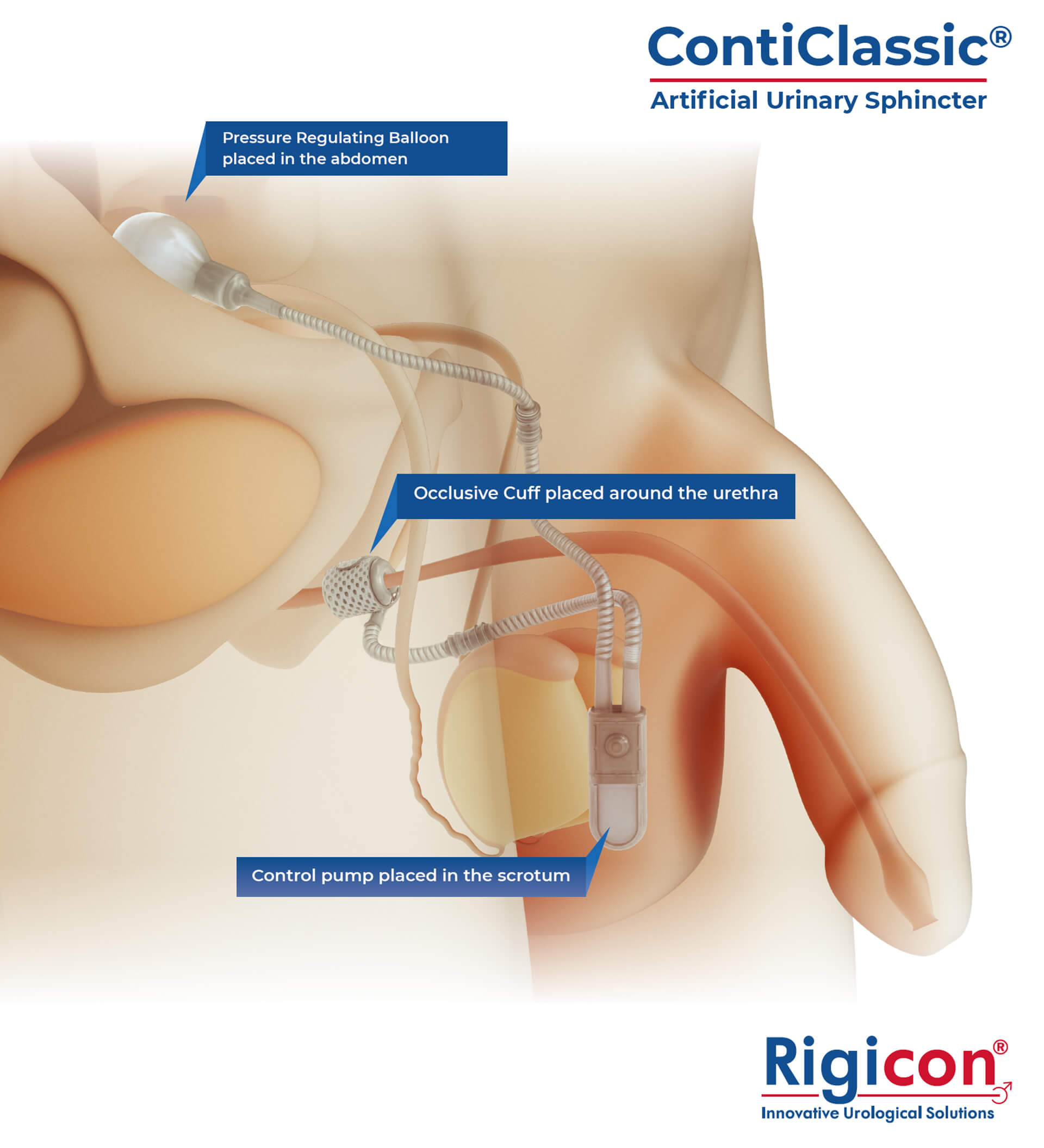
The ContiClassic® system is designed to help patients regain control of urinary function. It consists of three key components: a pressure-regulating balloon placed in the abdomen, an occlusive cuff positioned around the urethra, and a control pump located in the scrotum. When the control pump is activated, the cuff tightens around the urethra to prevent urine leakage. To urinate, the patient squeezes the control pump, which temporarily loosens the cuff, allowing urine to pass. This system is an effective solution for patients suffering from urinary incontinence, providing a discreet and reliable method for managing bladder control.
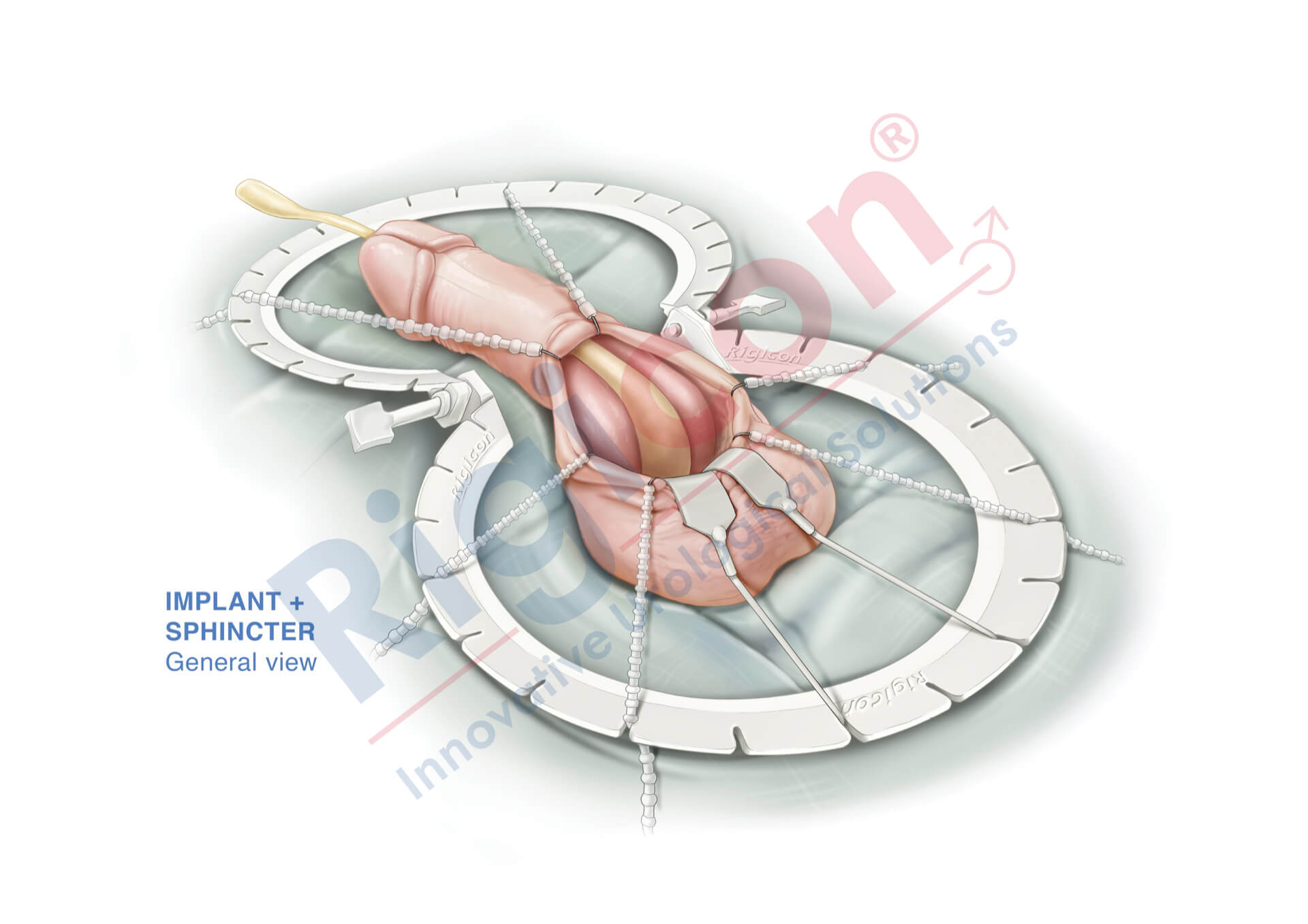
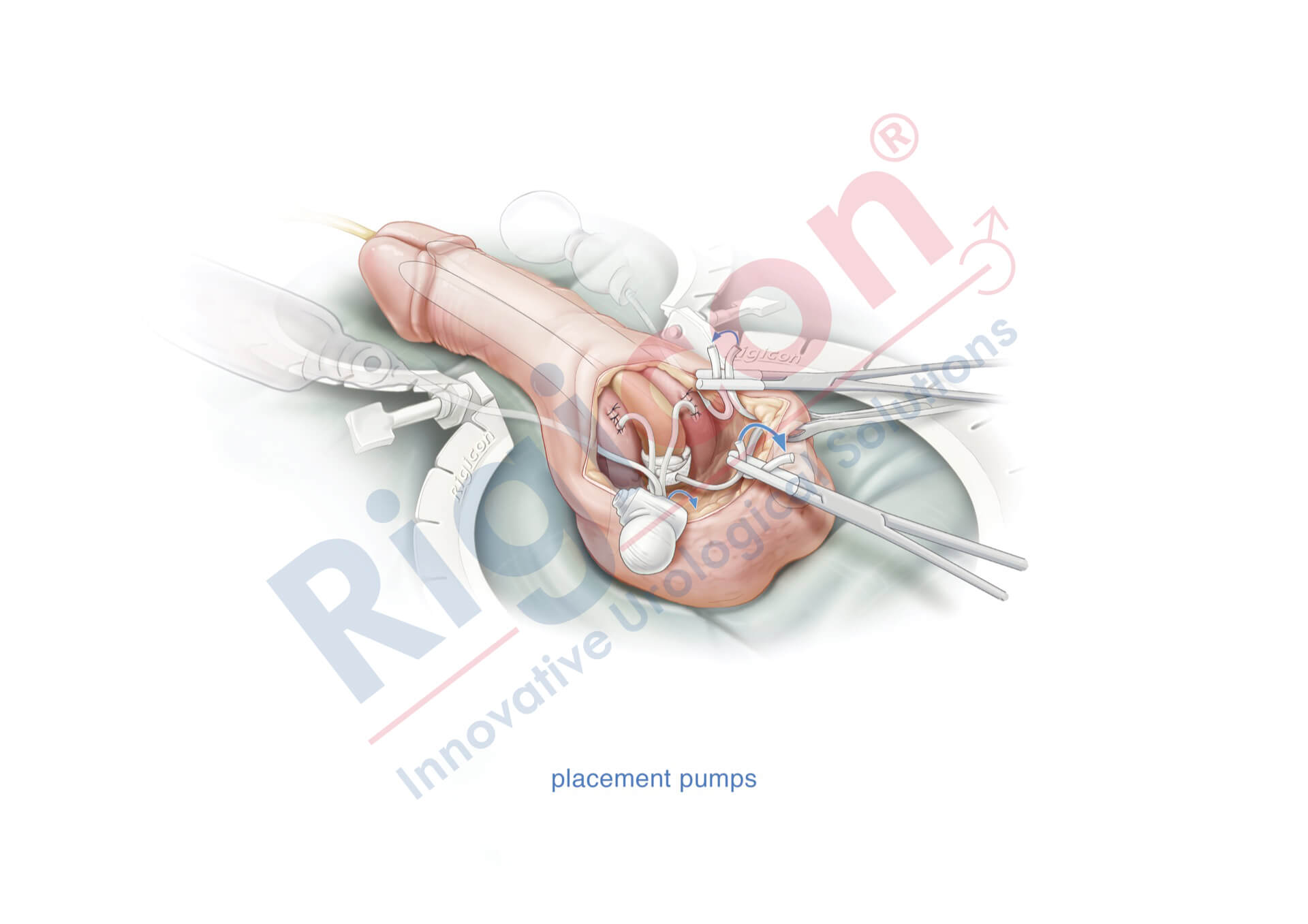
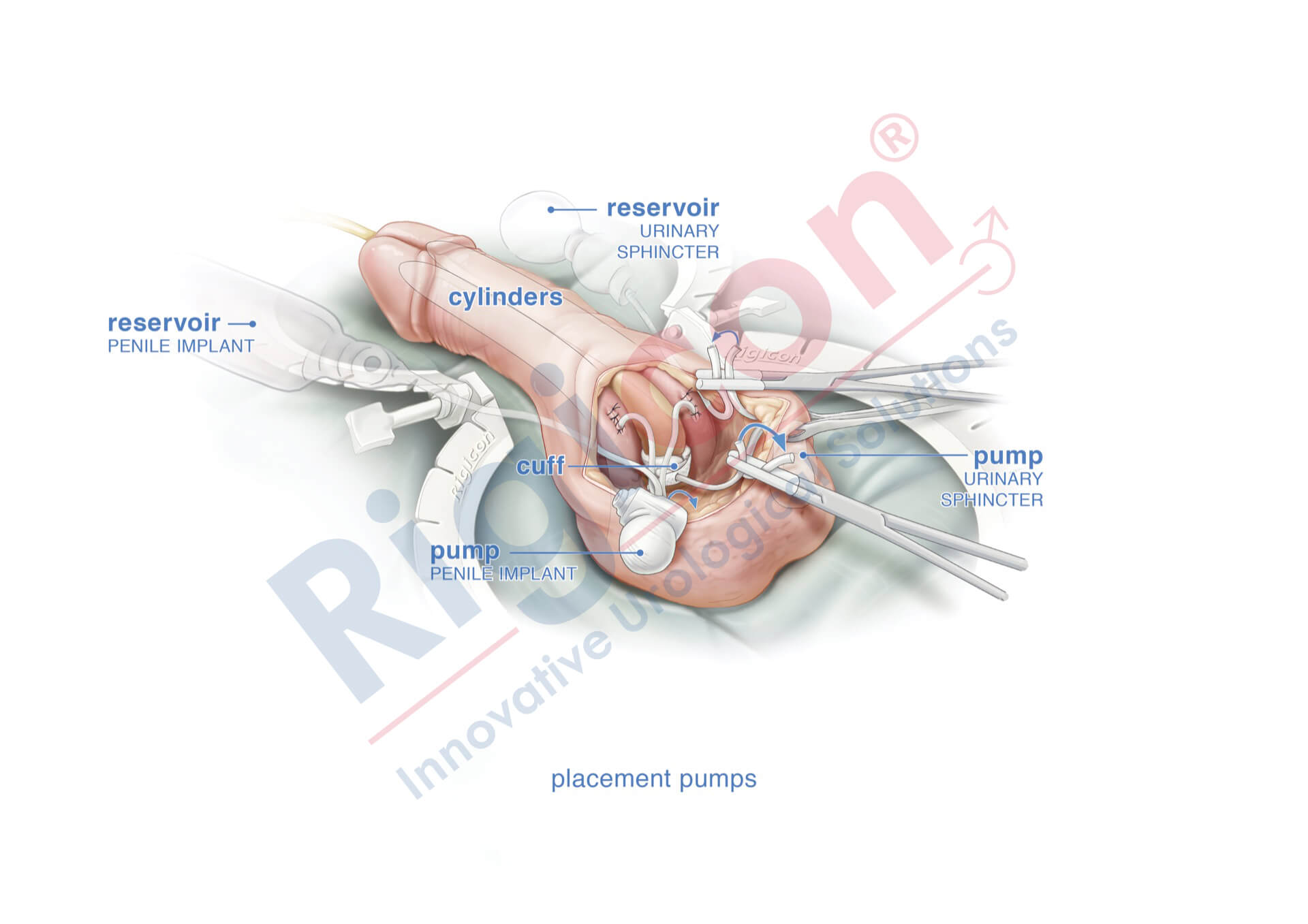
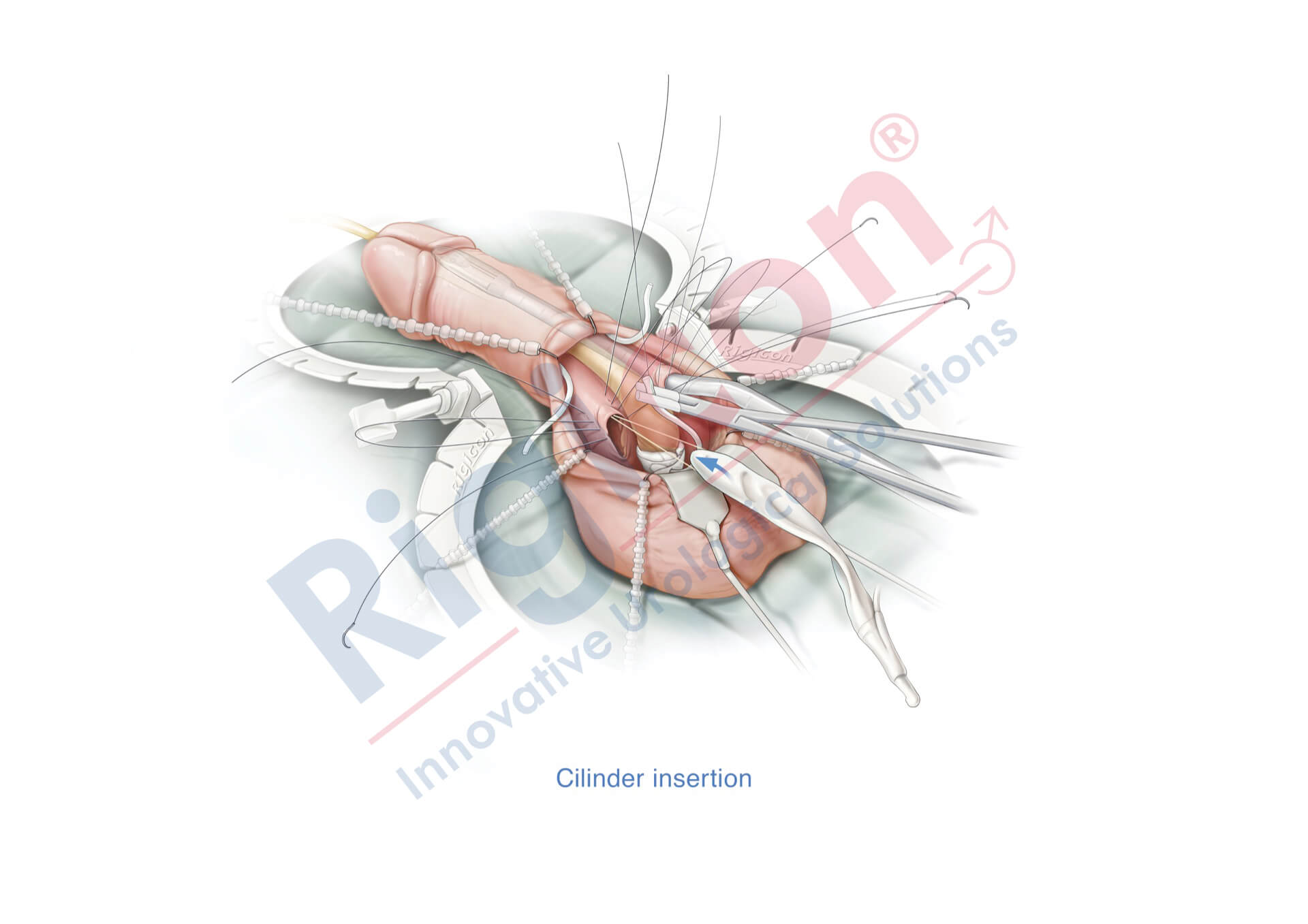
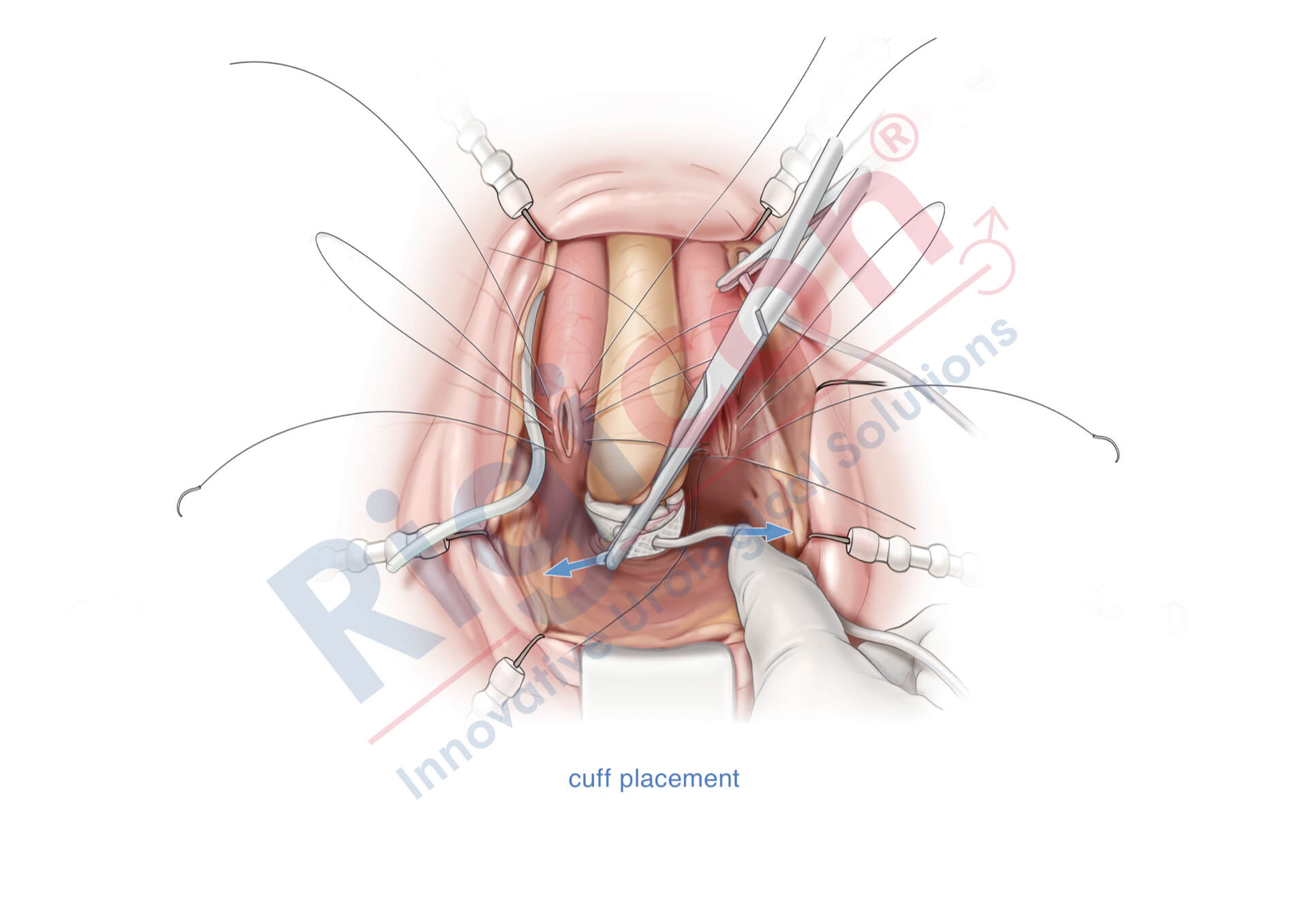
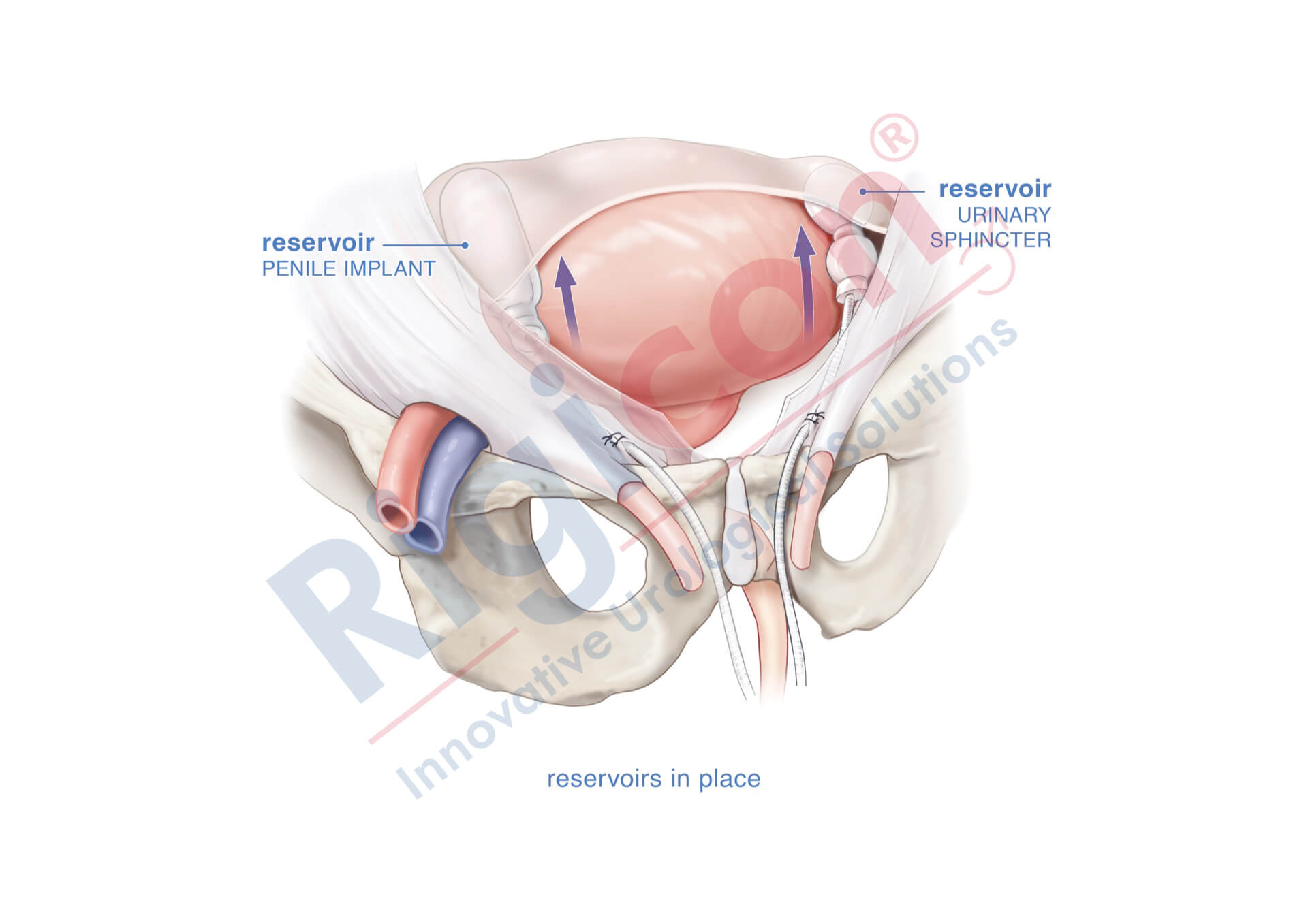
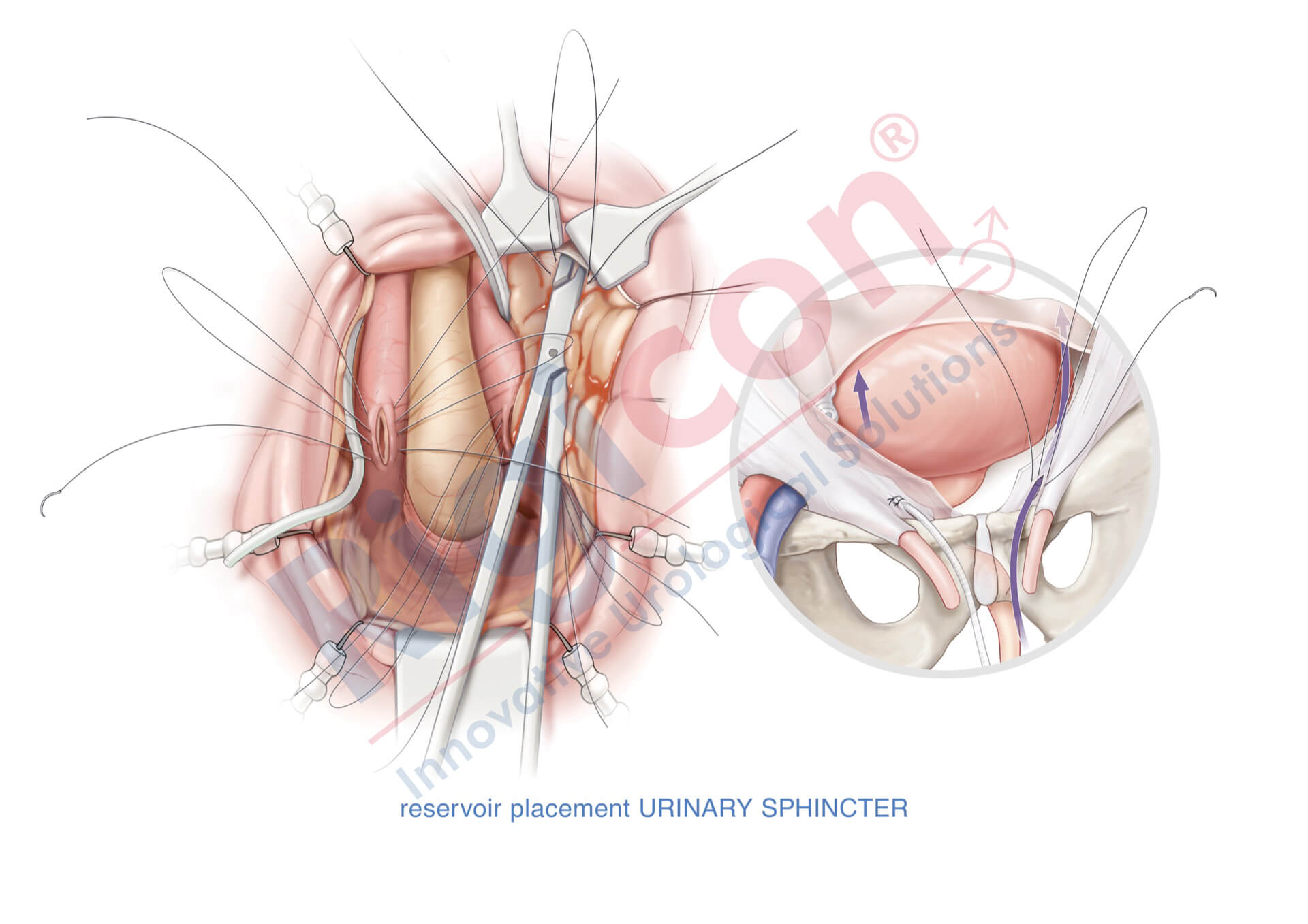
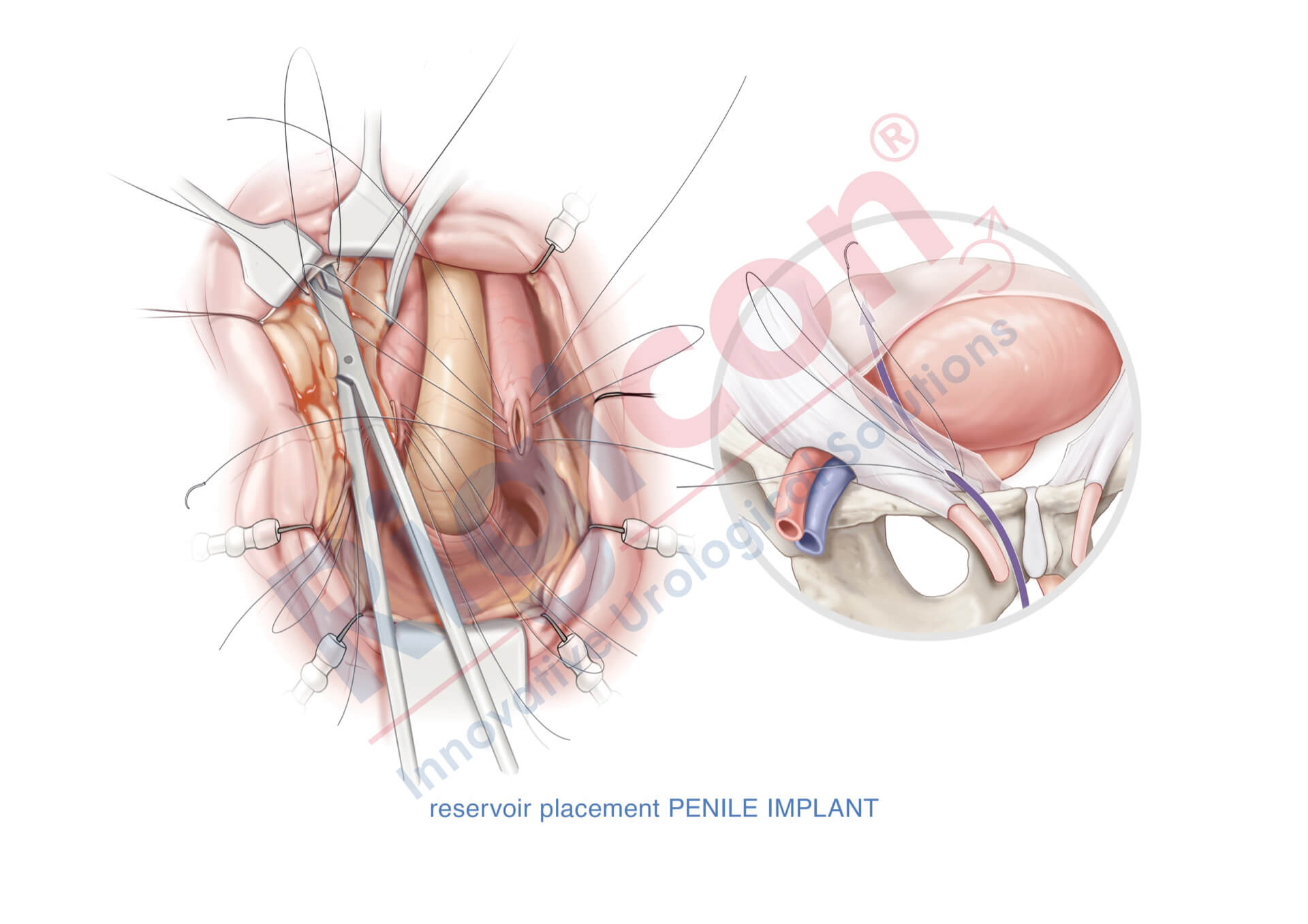
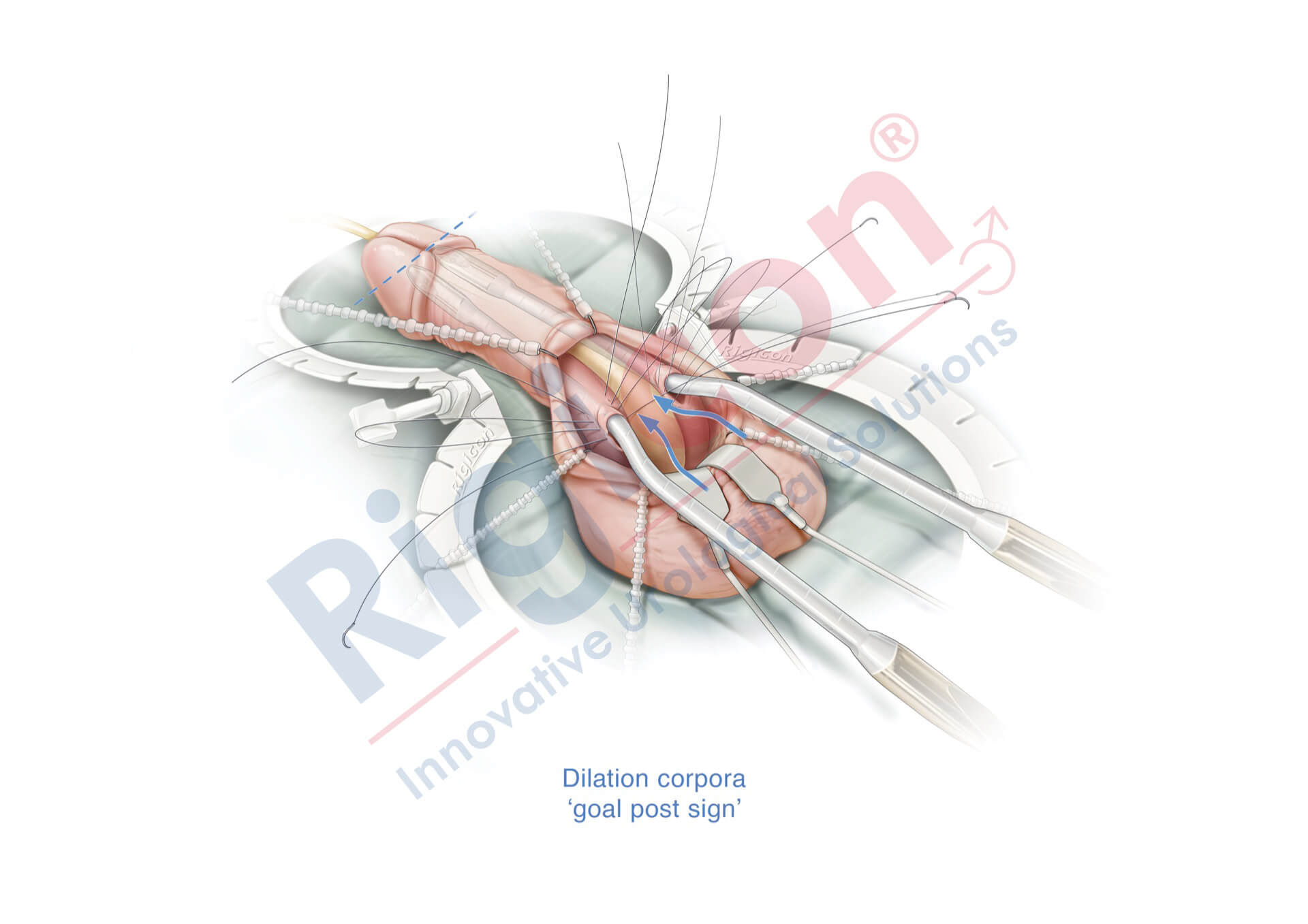
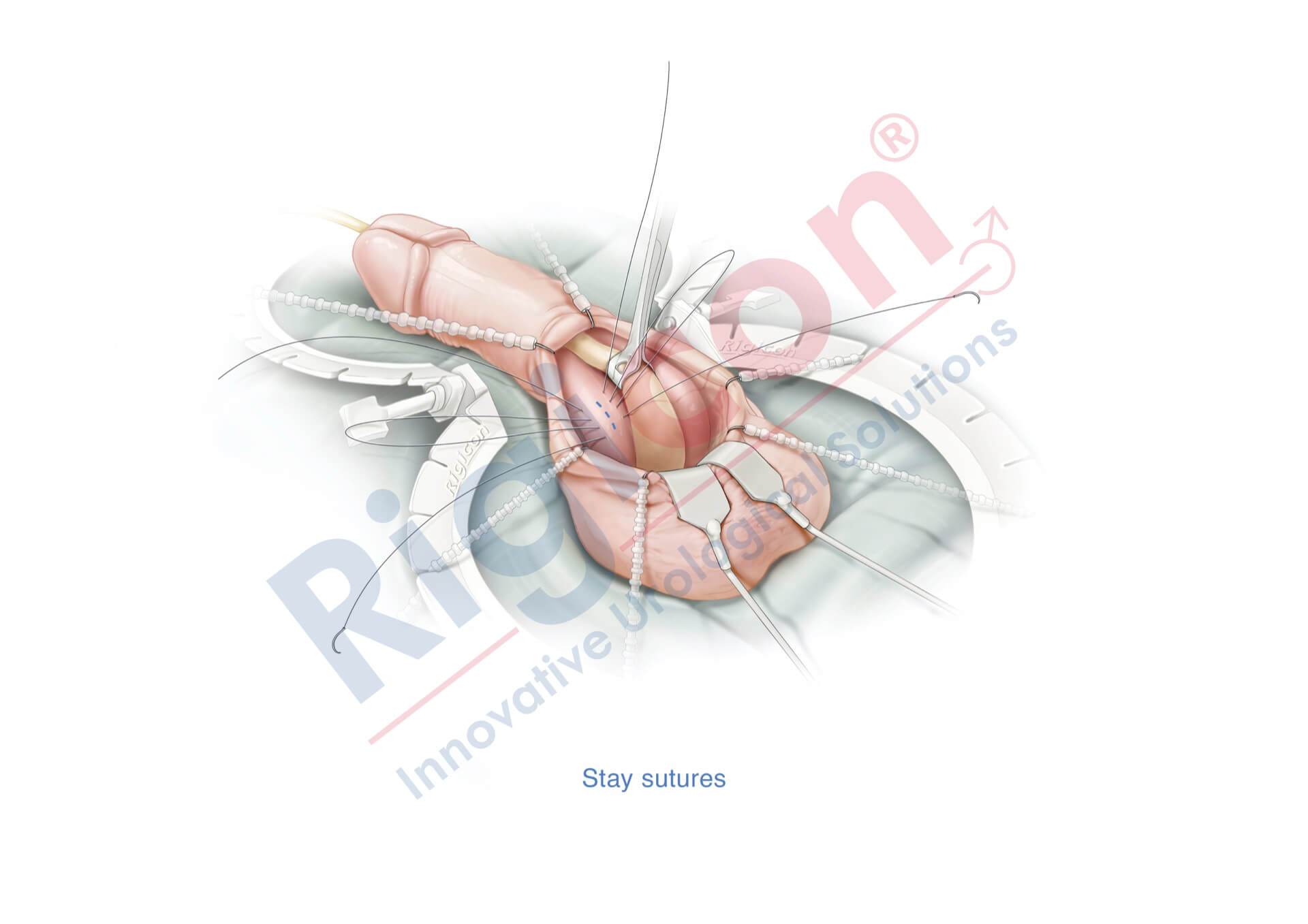
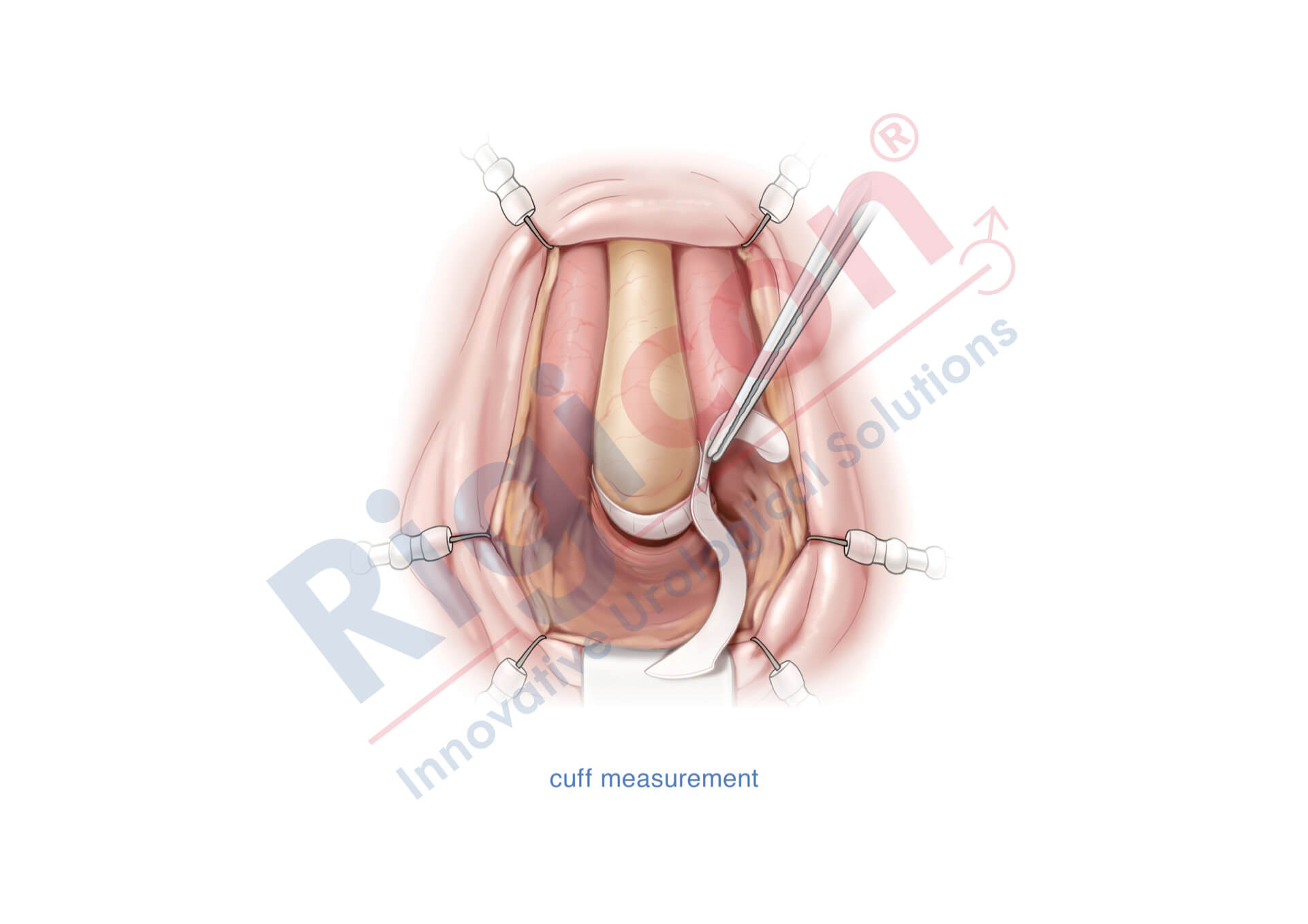
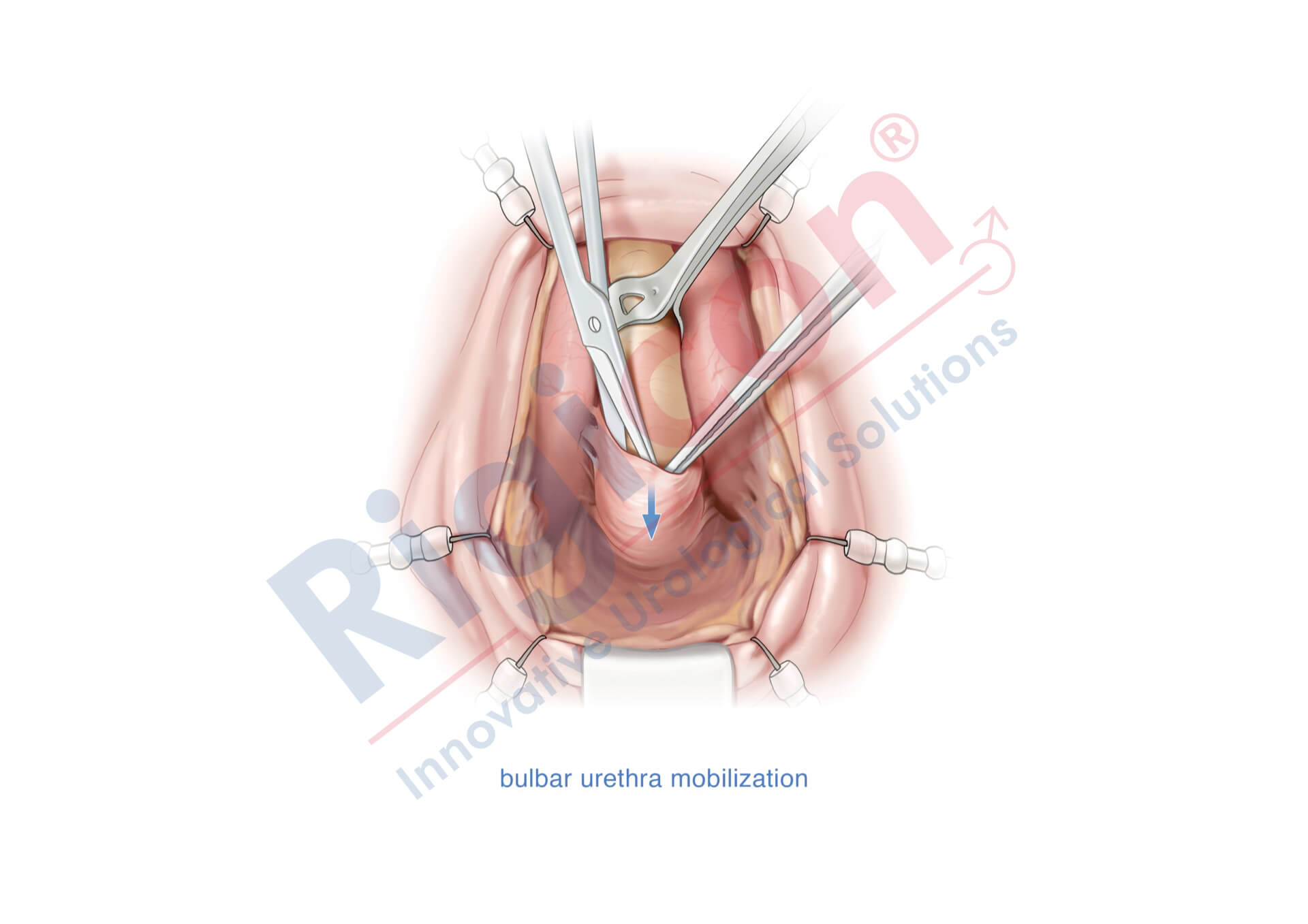
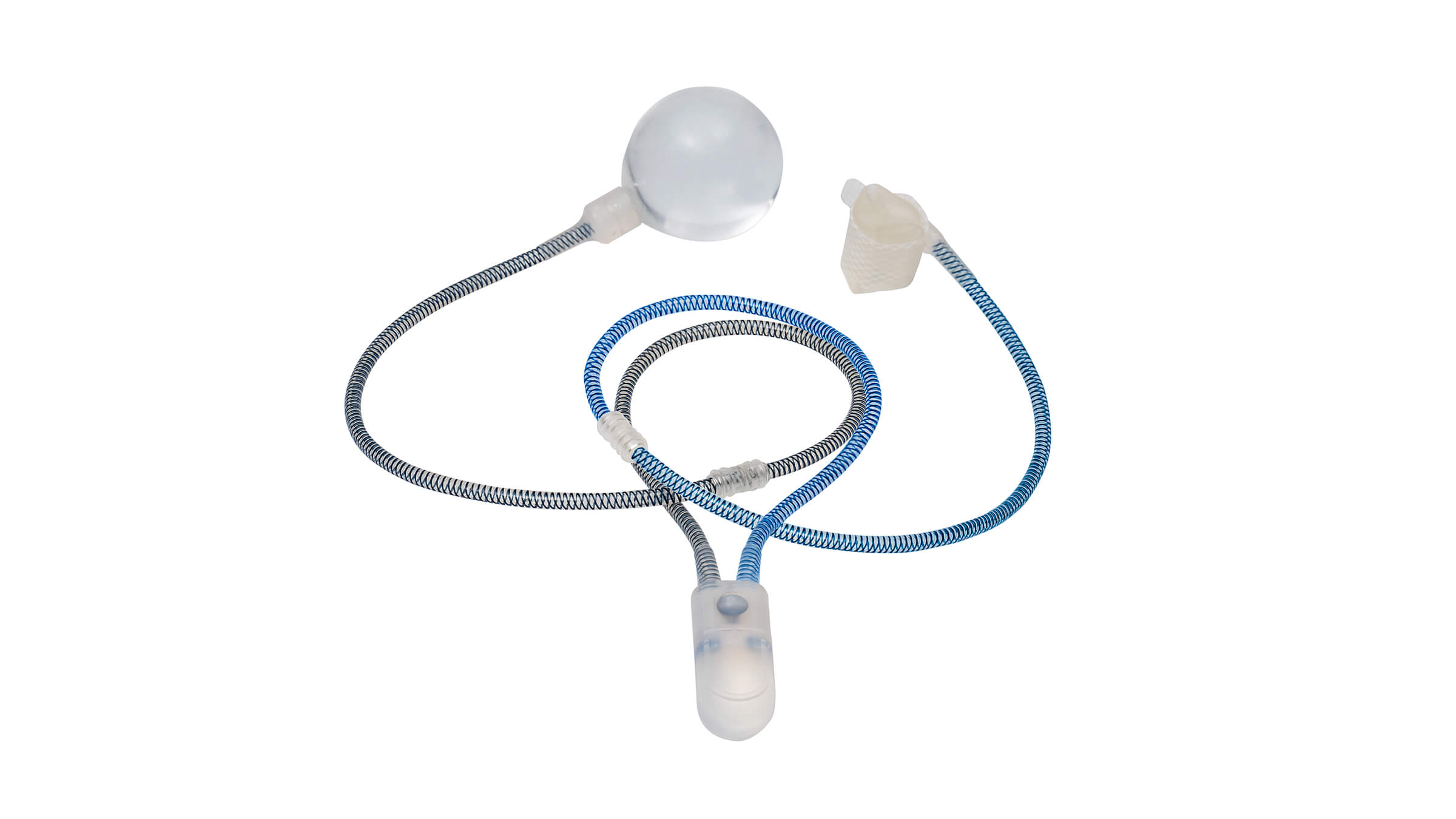
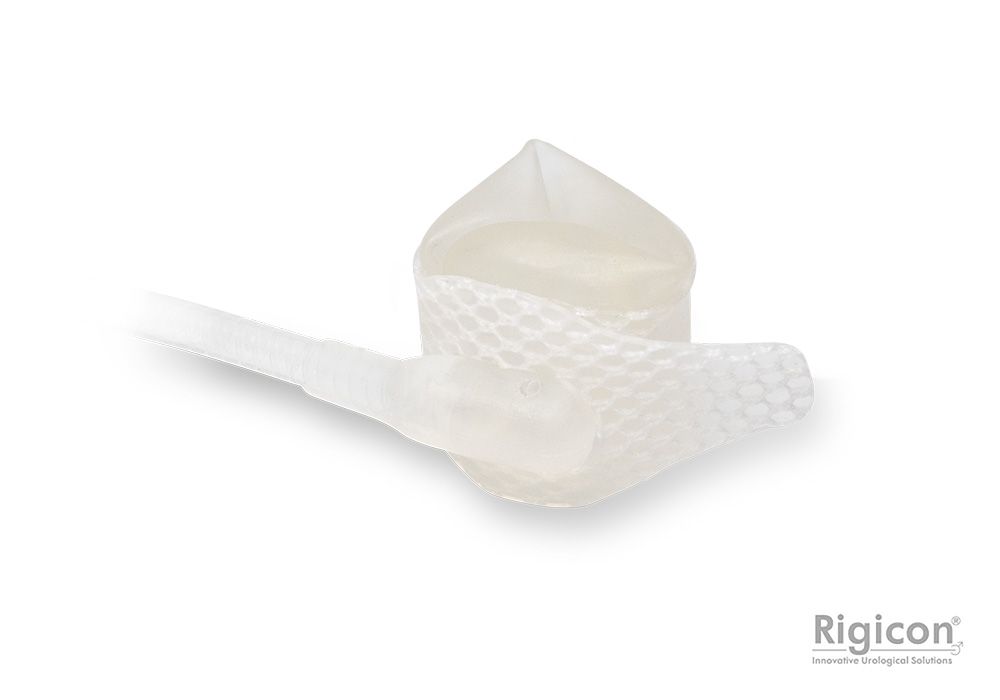
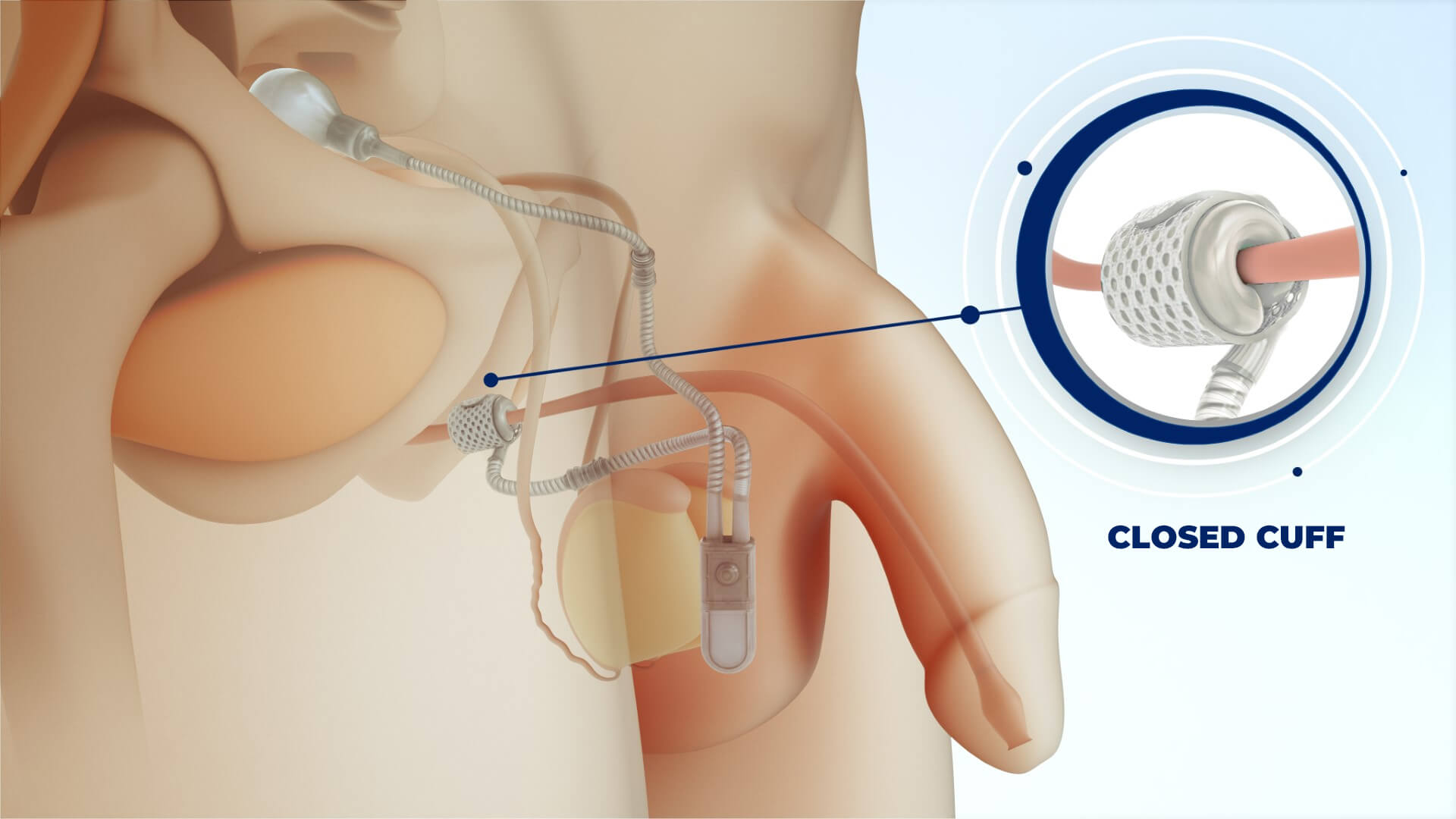
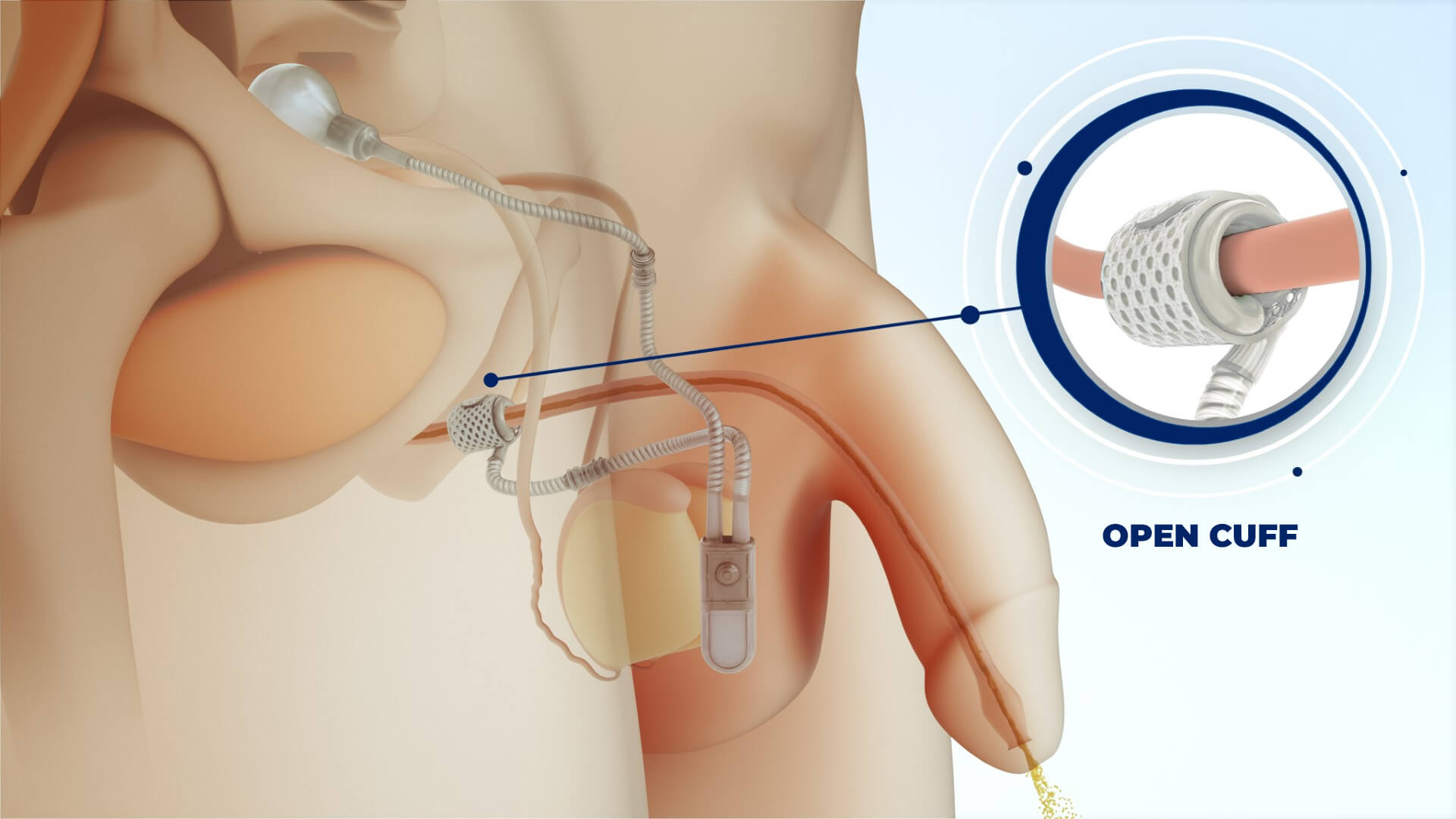
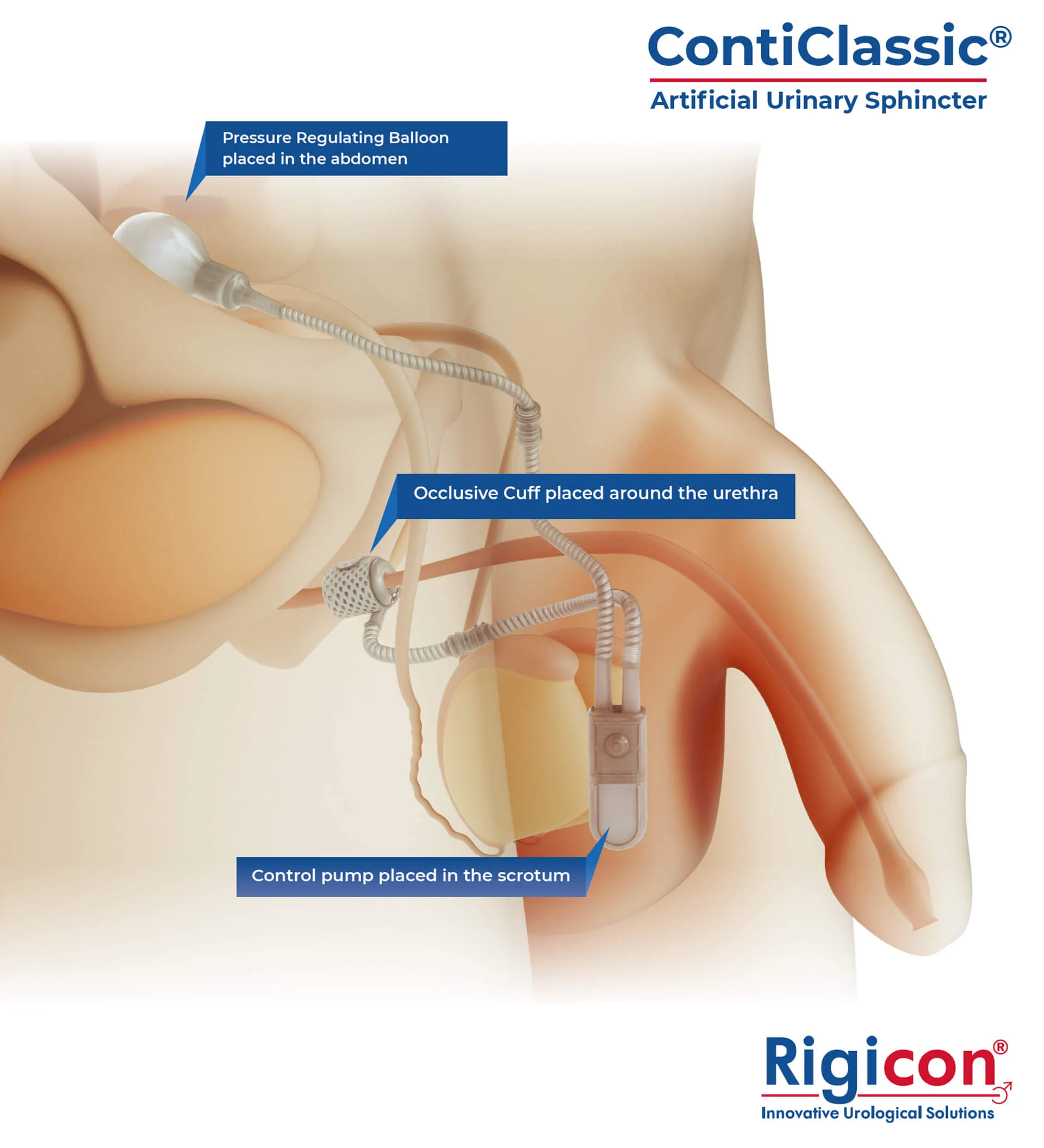
The ContiClassic® system is designed to help patients regain control of urinary function. It consists of three key components: a pressure-regulating balloon placed in the abdomen, an occlusive cuff positioned around the urethra, and a control pump located in the scrotum. When the control pump is activated, the cuff tightens around the urethra to prevent urine leakage. To urinate, the patient squeezes the control pump, which temporarily loosens the cuff, allowing urine to pass. This system is an effective solution for patients suffering from urinary incontinence, providing a discreet and reliable method for managing bladder control.
 |
ContiClassic® |
 |
Find important safety information and indications for the ContiClassic® Artificial Urinary Sphincter used in treating urinary incontinence. |
Conti™ Artificial Urinary Sphincter
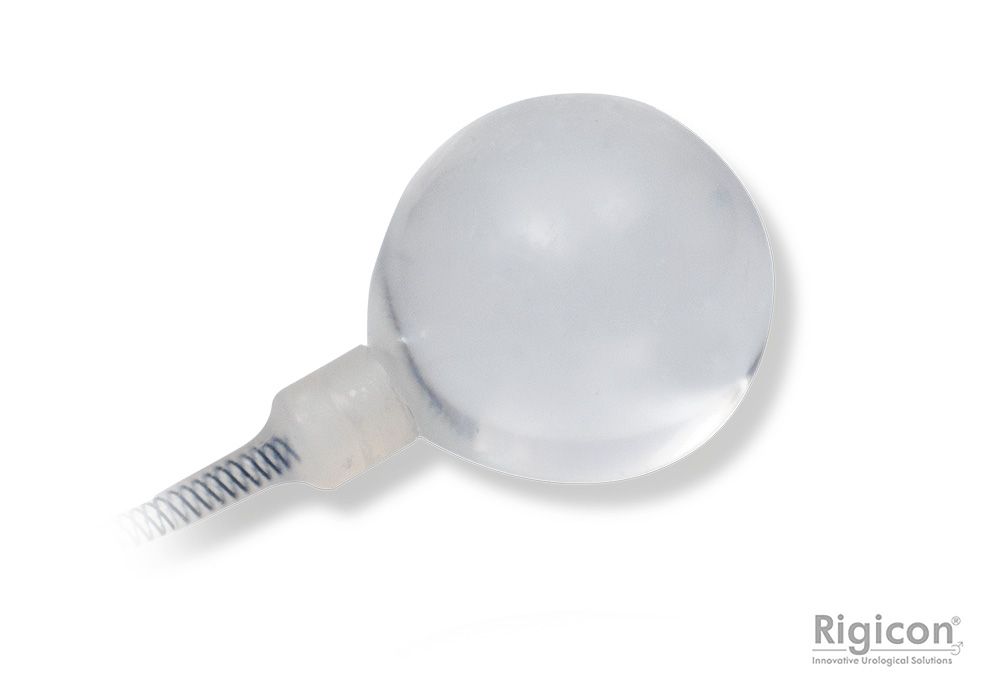
Product Code | ContiClassic® Pressure Regulating Balloon |
|---|---|
| CTC-PRB49 | 40 – 49 cm H20 |
| CTC-PRB59 | 50 – 59 cm H20 |
| CTC-PRB69 | 60 – 69 cm H20 |
| CTC-PRB79 | 70 – 79 cm H20 |
| CTC-PRB89 | 80 – 89 cm H20 |
Product Code | ContiRegular® Occlusive Cuff |
|---|---|
| CTR-OC35 | 3.5 cm |
| CTR-OC375 | 3.75 cm |
| CTR-OC40 | 4.0 cm |
| CTR-OC425 | 4.25 cm |
| CTR-OC45 | 4.5 cm |
| CTR-OC475 | 4.75 cm |
| CTR-OC50 | 5.0 cm |
| CTR-OC55 | 5.5 cm |
| CTR-OC60 | 6.0 cm |
| CTR-OC65 | 6.5 cm |
| CTR-OC70 | 7.0 cm |
| CTR-OC75 | 7.5 cm |
| CTR-OC80 | 8.0 cm |
| CTR-OC85 | 8.5 cm |
| CTR-OC90 | 9.0 cm |
| CTR-OC95 | 9.5 cm |
| CTR-OC100 | 10.0 cm |
| CTR-OC110 | 11.0 cm |
| CTR-OC120 | 12.0 cm |
| CTR-OC130 | 13.0 cm |
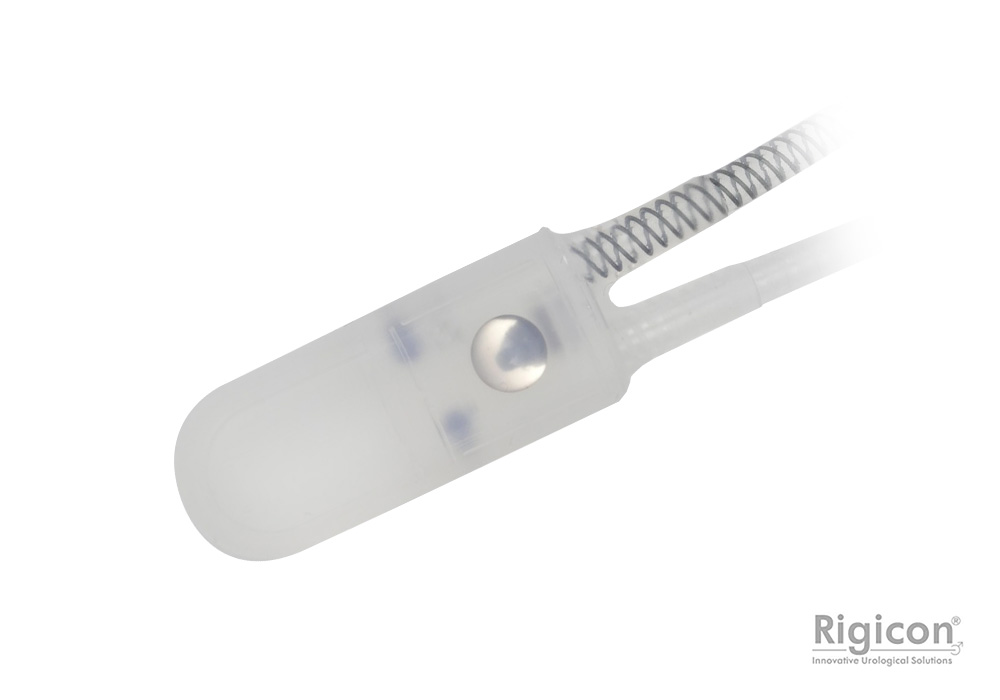
Product Code | Control Pump |
|---|---|
| CTC-CP | ContiClassic® Control Pump |
Product Code | Accessory Kit |
|---|---|
| CT-AK | Conti™ Accessory Kit |
Frequently Asked Questions
What are the patient selection criteria for an artificial urinary sphincter?
What is the expected continence rate after AUS implantation?
What is urinary incontinence?
Urinary incontinence is the embarrassing loss of urine without the owner’s permission.
There are two types:
- Urgency incontinence which is when you have the sudden urge to urinate and cannot get to the toilet in time.
- Stress incontinence which is the loss of urine anytime there is an increase of abdominal pressure such as coughing, sneezing, changing position.
What is the common cause of stress incontinence in men?
Unlike women who can develop stress incontinence from simply having children or aging, men will only develop the condition after having some form of invasive pelvic surgery such as a prostatectomy for cancer. The surgery injures the urinary sphincter causing it to be unable to hold urine in the case of increased abdominal pressure.
Is stress incontinence a normal part of ageing?
Yes, it is true for women but not for men.
How do doctors diagnose urinary incontinence?
Generally, physicians rely upon a physical examination and a detailed medical history. If it is unclear whether the incontinence is urgency or stress, the physician may perform some testing.
Is stress urinary incontinence a side effect of surgical removal of the prostate?
Yes, particularly the radical prostatectomy for cancer has an increased incidence of this complication. In most men the incontinence persists for 3-6 months but resolves without treatment. If you are still leaking after 6 months, you should see a urologist who commonly treats male incontinence.
What are the treatment options for stress incontinence in men?
Unfortunately, there are very few non-surgical alternatives. Drugs and pelvic exercises, while effective in women, usually do not work in men with a damaged sphincter from a surgical procedure. There are two surgical treatments that have success: male sling and artificial urinary sphincter (AUS).
What is an artificial urinary sphincter (AUS)?
An AUS is a surgically implanted device to replace your damaged sphincter. It consists of a pump, cuff and pressure regulating balloon. It is implanted, generally as an outpatient, through a small incision in the scrotum or beneath the scrotum in the perineum. The surgery generally can be done in an hour and post-operative recovery is quick with minimal discomfort. The patient is not able to use the sphincter for 6 weeks to allow the tissues to heal. The device mimics the role of a healthy sphincter. The urethra remains closed until the bladder fills with urine and creates the need for emptying. The patient then squeezes the pump to open the urethra and allow the bladder to empty. Over the next two minutes the cuff gradually closes to allow the patient to regain continence.
What are the benefits of the ContiClassic® Artificial Urinary Sphincter?
Most patients who are incontinent are dry when sleeping because there are no increase of abdominal pressure events. Unlike competitive AUS, the ContiClassic® AUS is easily deactivated at night and turned back on the next morning. By allowing the urethra to rest during sleep without pressure, it is thought the need for revision surgery will be less. There are other improvements over existing competitive devices like more sophisticated control of cuff pressure during times of increased abdominal pressure, more sizes of cuff to allow more accurate sizing, and improved instrumentation for implantation of the device by your surgeon.
FAQ’s Disclaimer
The content is not intended to be a substitute for, nor does it replace professional medical advice, diagnosis, or treatment. If you have any concerns or questions about your health, you should always consult with a physician or other health-care professional.
-
Federal law (USA) restricts this device to sale by or on the order of a physician.
-
Not available for sale within the United States.