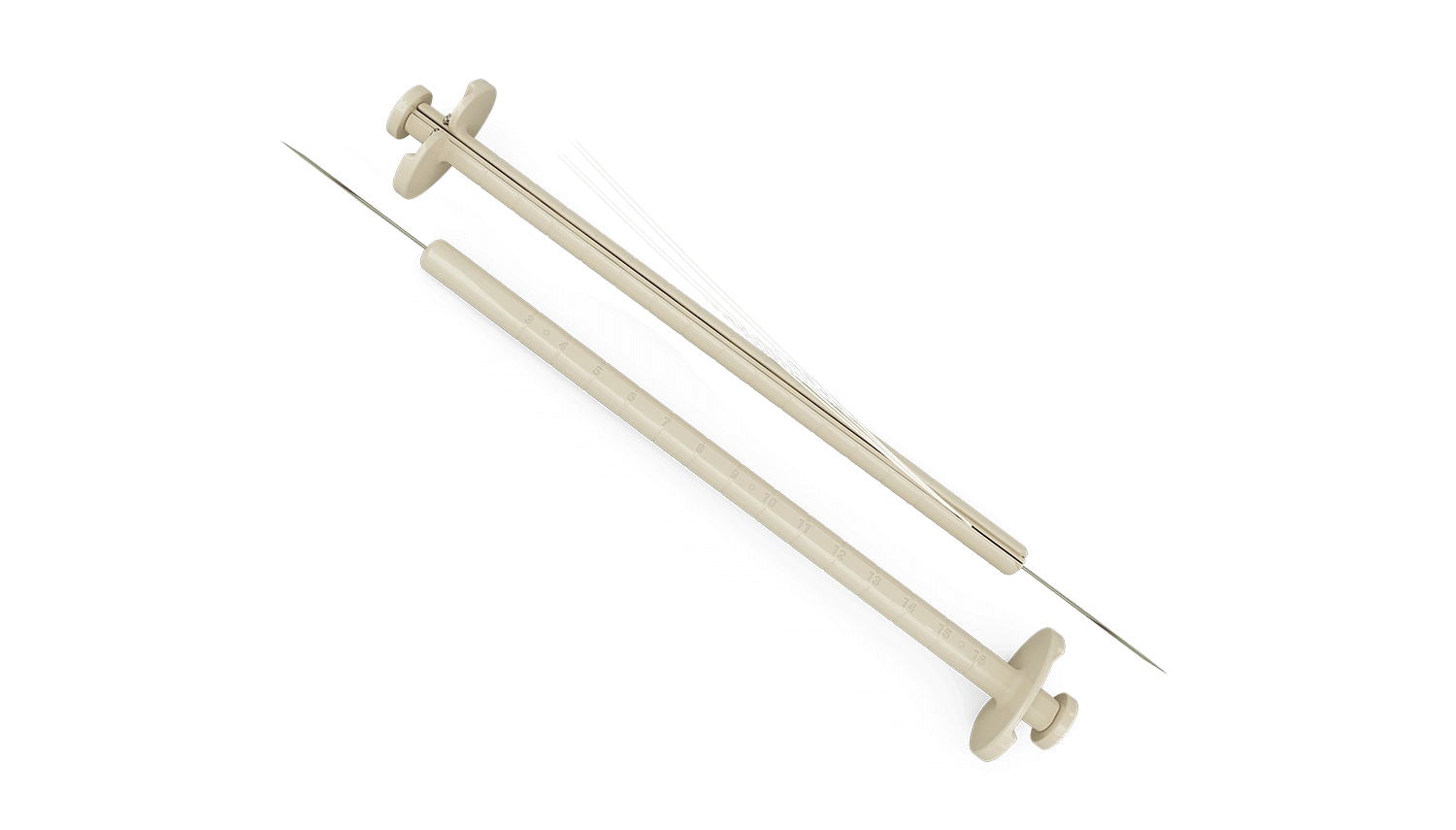
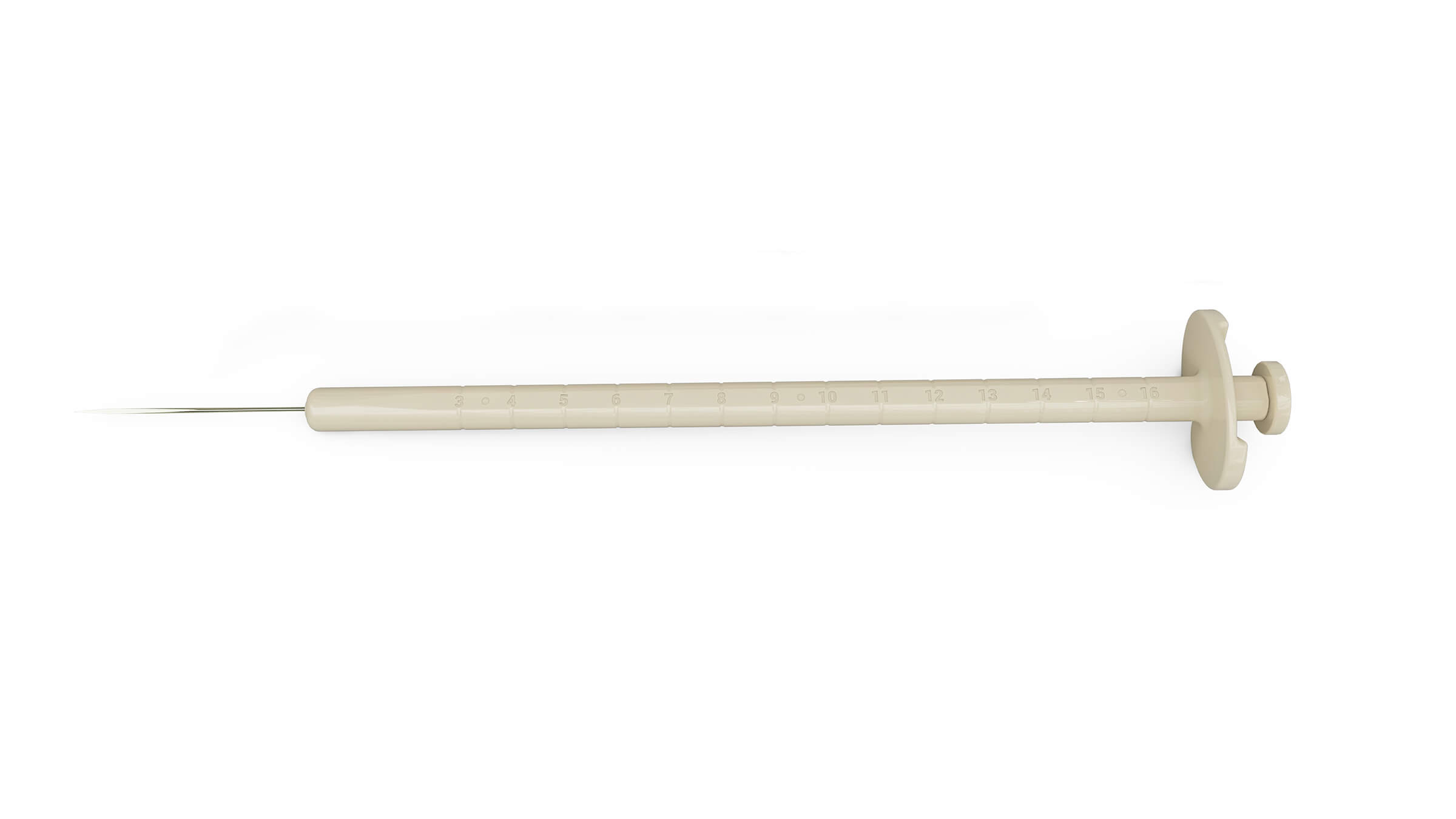
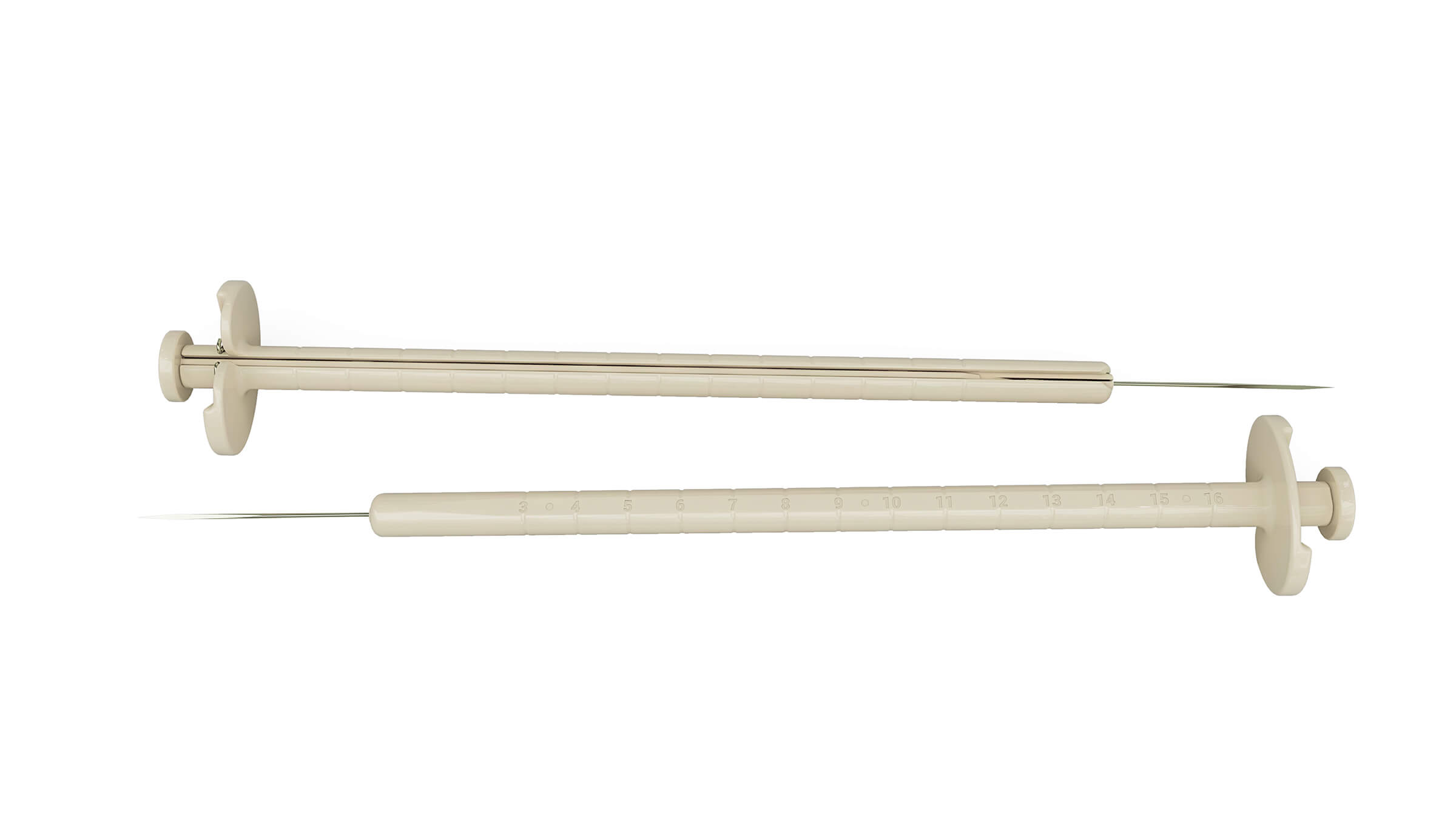
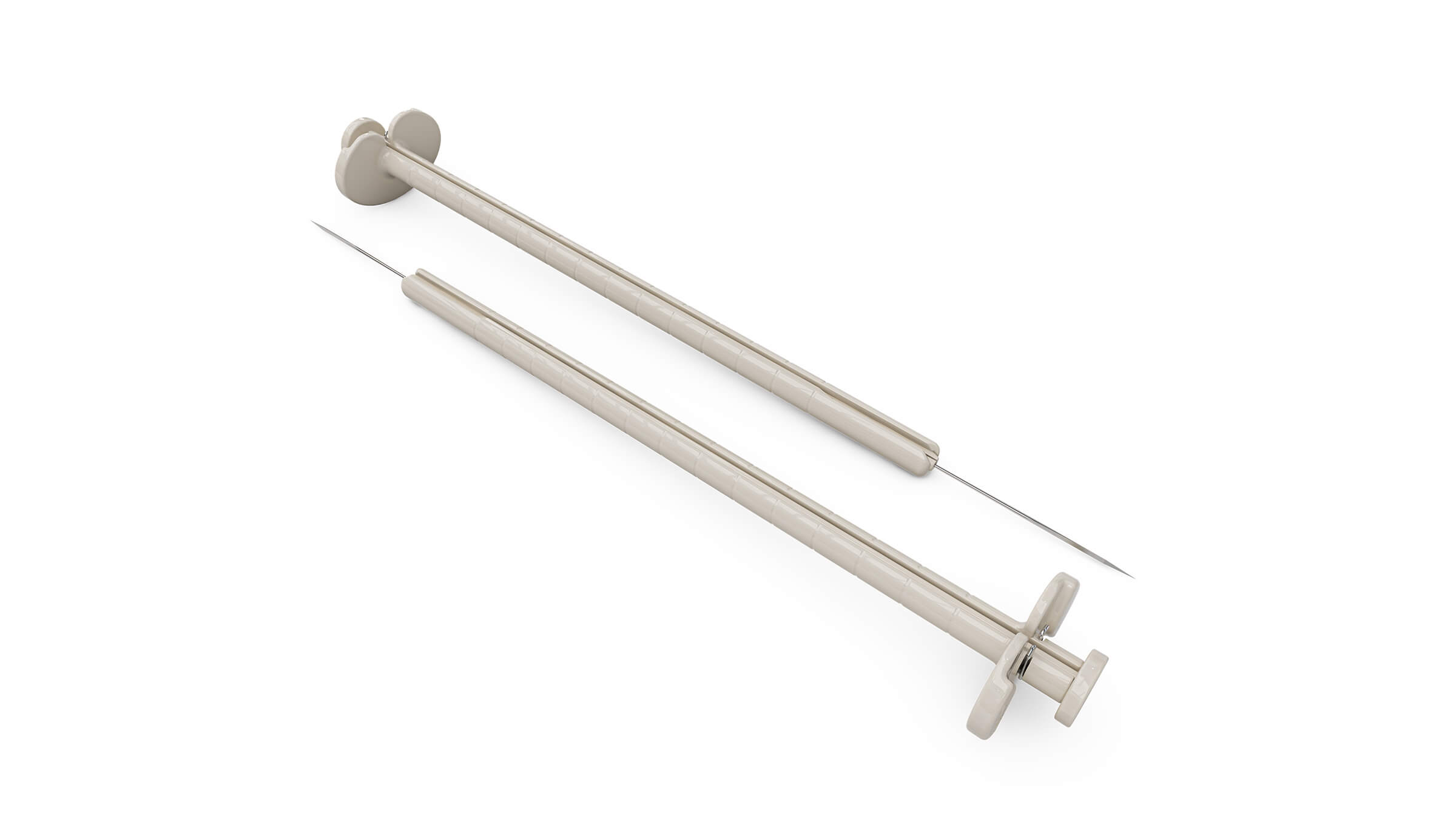
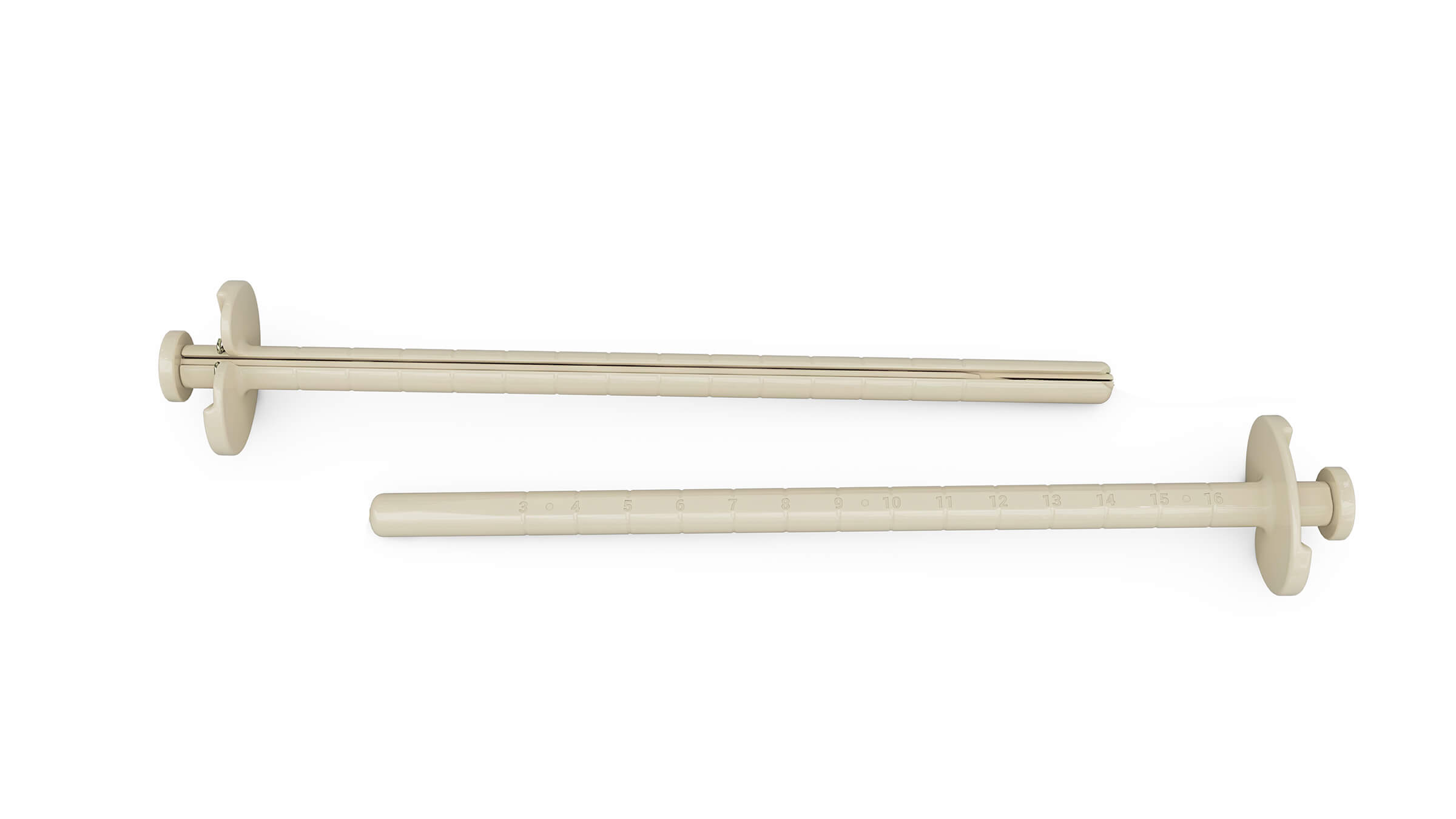
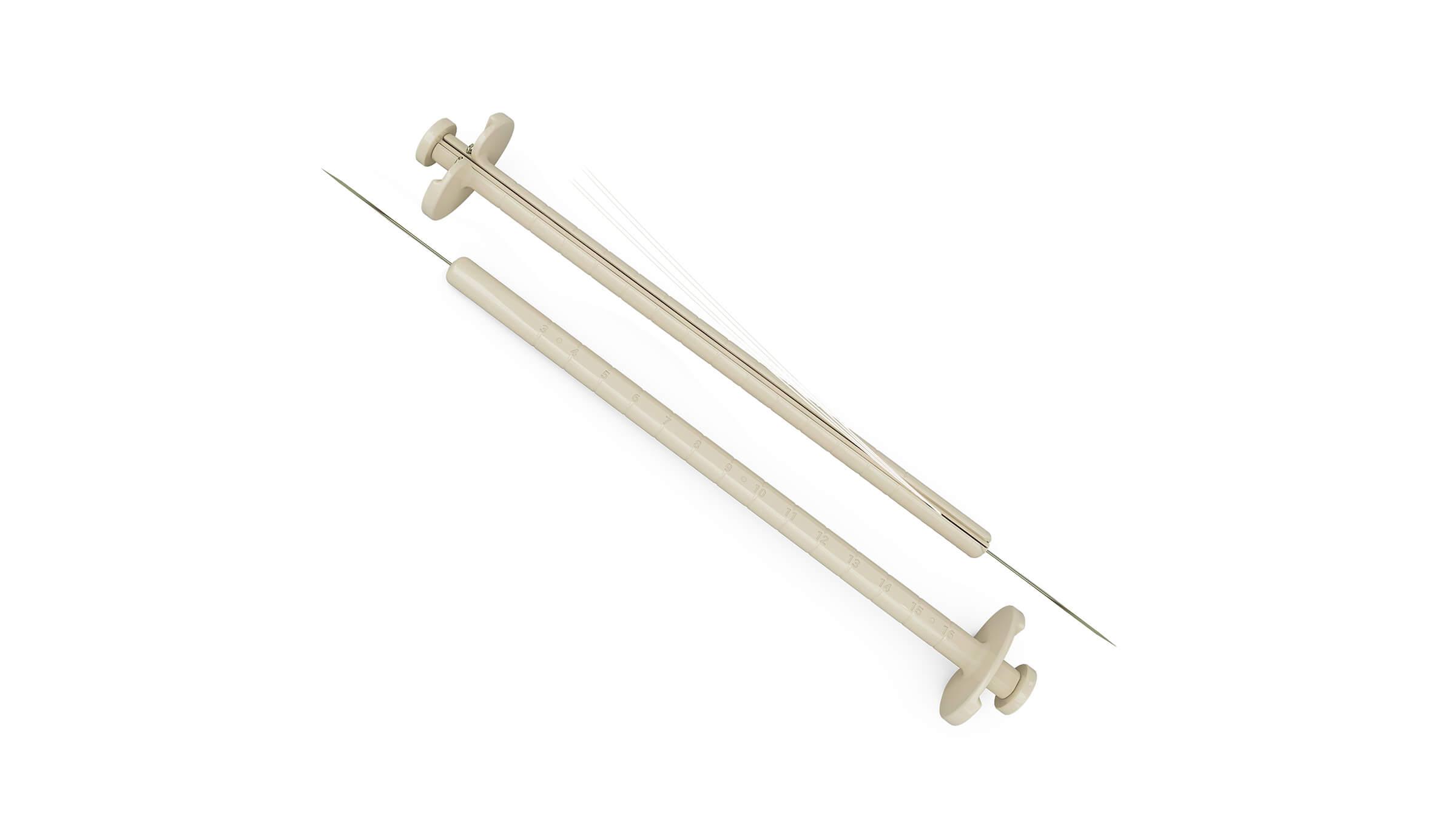
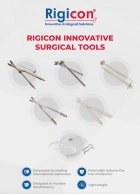
Rigicon has brought numerous innovations to the field of prosthetic urology, including the pioneering single-use Insertion Tool.
The experts articulate that “improper cleaning and/or sterilization of the Furlow Insertion Instrument may represent a source of infection for patients undergoing penile prosthesis implantation.” And also “a disposable Furlow inserter might offer the opportunity to reduce the risks of contamination associated with improper instrument handling and impact the rate of device infection.”7
The single-use Insertion Tool is one of the many innovations Rigicon has introduced to the practice of prosthetic urology.
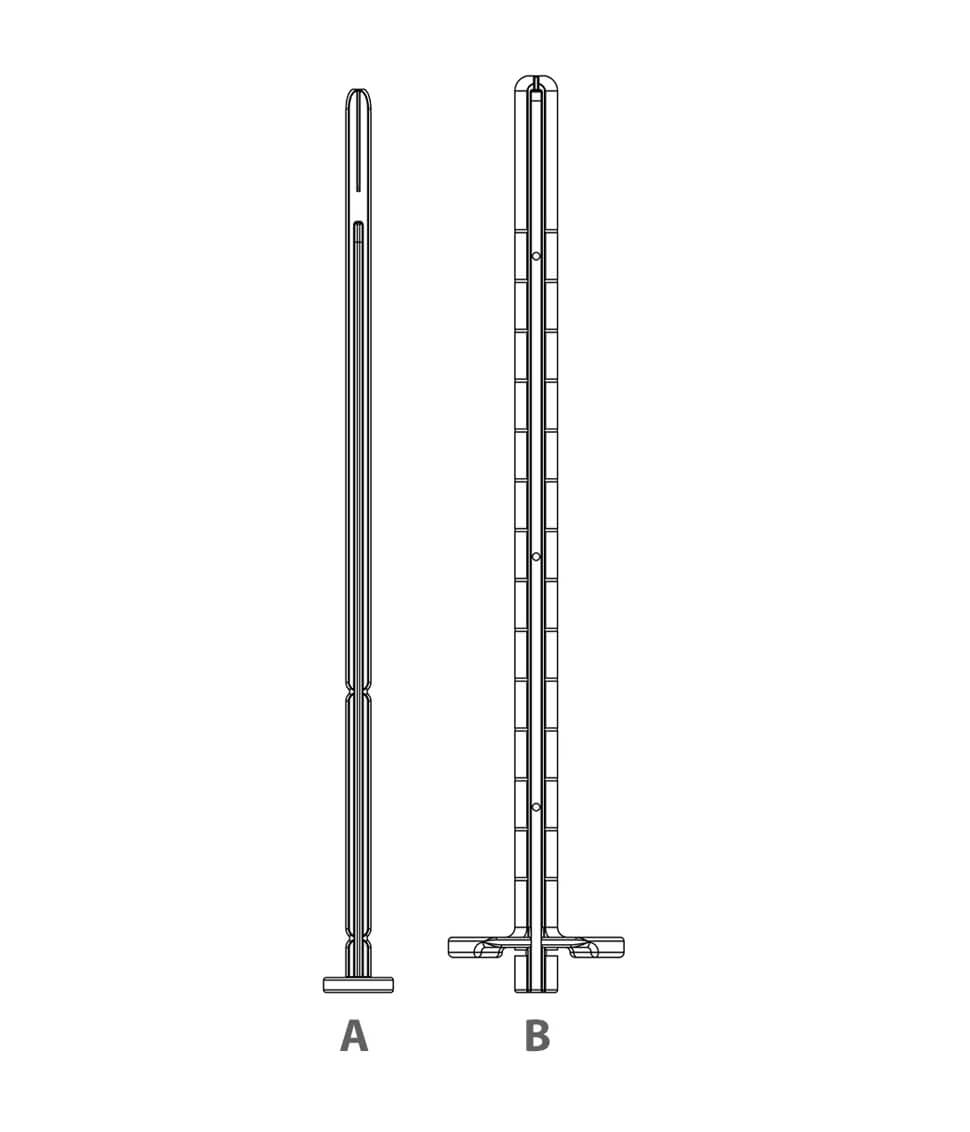
In this video, we will demonstrate the proper technique for using the innovative HL cylinder insertion tool. This tool is a redesign of the traditional Furlow inserter, engineered for enhanced ease of use and efficiency. First, take the traction suture from the inflatable cylinder pass both ends of the suture, which should be approximately 10 centimeters long through the eye of the Keith needle. A key design improvement over the conventional Furlow tool is that the obturator does not need to be retracted. Keep the obturator fully forward in its starting position when loading the needle, now load the blunt end of the Keith needle into the housing at the distal tip of the inserter.
Once the needle is seated, guide the suture strands into the side slot of the tool. Gently retract the obturator until you feel and hear the click. Advance the device into the distal corporal body until the tip rest beneath the glans. Then pass the needle through by fully inserting the obturator. The innovative locking mechanism prevents the needle drop, maintaining secure positioning throughout the procedure without having to pull on the sutures to keep the needle in place.
The text above is a transcript of the spoken content of this video, published for reference and accessibility. Wording may differ slightly from the recording. It is not medical advice and does not replace a consultation. Product availability and approved indications differ by country – ask your physician what applies to you.
Caution: Professional Medical Content
These video resources are strictly for medical education. The footage contains graphic clinical procedures and is intended solely for healthcare practitioners.
Important: Video files are typically large. Download duration may fluctuate based on your internet connection speed. A robust, high-bandwidth connection is recommended for smooth playback and optimal learning experience.
Unique design to prevent the needle from falling
Caution: Professional Medical Content
These video resources are strictly for medical education. The footage contains graphic clinical procedures and is intended solely for healthcare practitioners.
Important: Video files are typically large. Download duration may fluctuate based on your internet connection speed. A robust, high-bandwidth connection is recommended for smooth playback and optimal learning experience.
In this video, we will demonstrate the proper technique for using the innovative HL cylinder insertion tool. This tool is a redesign of the traditional Furlow inserter, engineered for enhanced ease of use and efficiency. First, take the traction suture from the inflatable cylinder pass both ends of the suture, which should be approximately 10 centimeters long through the eye of the Keith needle. A key design improvement over the conventional Furlow tool is that the obturator does not need to be retracted. Keep the obturator fully forward in its starting position when loading the needle, now load the blunt end of the Keith needle into the housing at the distal tip of the inserter.
Once the needle is seated, guide the suture strands into the side slot of the tool. Gently retract the obturator until you feel and hear the click. Advance the device into the distal corporal body until the tip rest beneath the glans. Then pass the needle through by fully inserting the obturator. The innovative locking mechanism prevents the needle drop, maintaining secure positioning throughout the procedure without having to pull on the sutures to keep the needle in place.
The text above is a transcript of the spoken content of this video, published for reference and accessibility. Wording may differ slightly from the recording. It is not medical advice and does not replace a consultation. Product availability and approved indications differ by country – ask your physician what applies to you.
Caution: Professional Medical Content
These video resources are strictly for medical education. The footage contains graphic clinical procedures and is intended solely for healthcare practitioners.
Important: Video files are typically large. Download duration may fluctuate based on your internet connection speed. A robust, high-bandwidth connection is recommended for smooth playback and optimal learning experience.
These video resources are strictly for medical education. The footage contains graphic clinical procedures and is intended solely for healthcare practitioners.
Important: Video files are typically large. Download duration may fluctuate based on your internet connection speed. A robust, high-bandwidth connection is recommended for smooth playback and optimal learning experience.
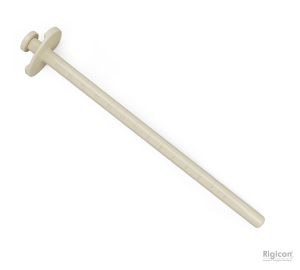
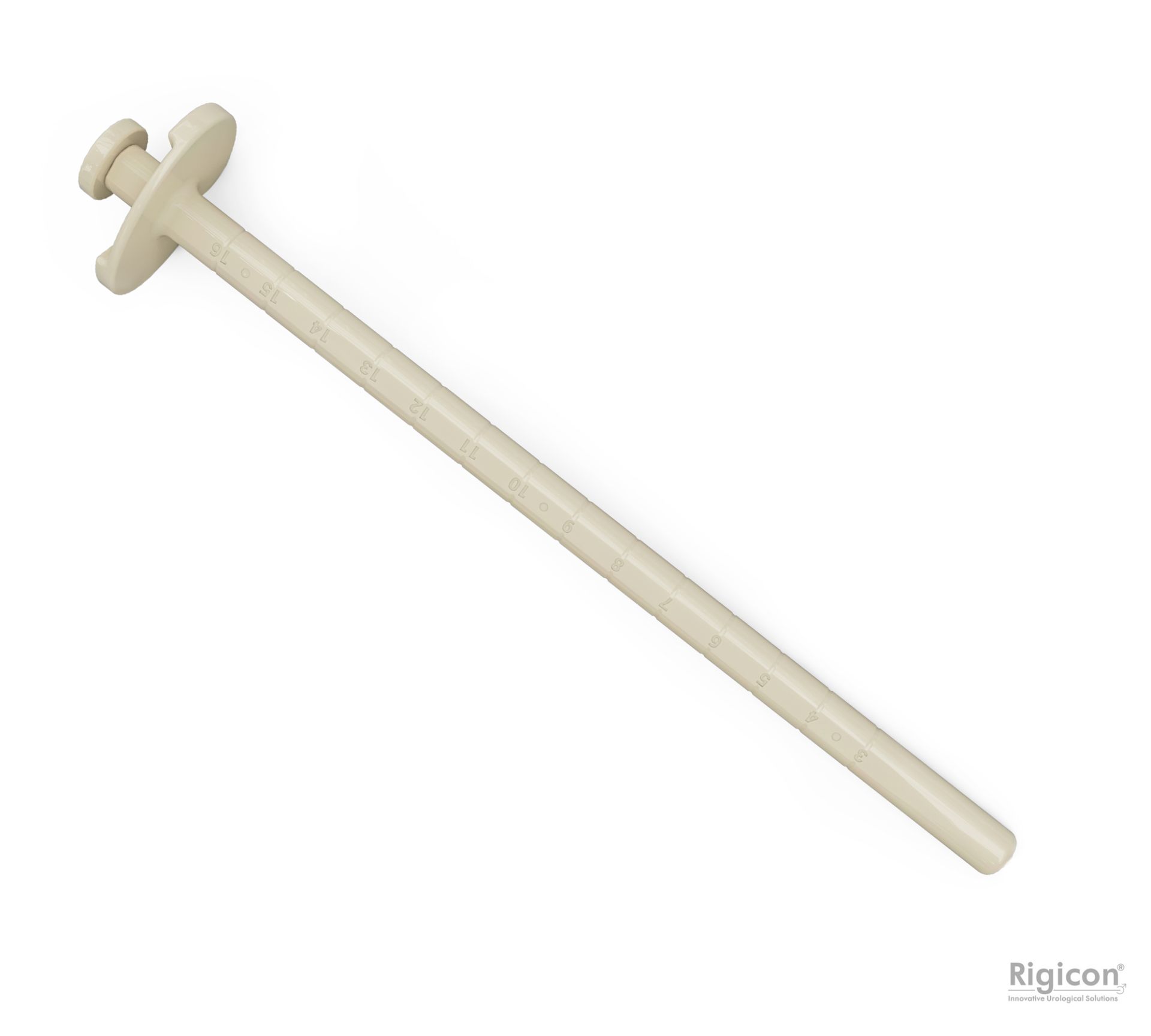
The HL Single-Use Furlow Insertion Tool is a disposable surgical instrument specifically designed for the implantation of inflatable penile prostheses. It is used for passing traction sutures through the glans penis and for measuring each corpus cavernosum—both proximally and distally—to determine the correct diameter and length of the prosthesis cylinders. As a single-use device, it eliminates concerns about incomplete sterilization of reusable instruments, which published research has identified as a potential source of prosthesis infection (Int J Impot Res, 2023).
How does the HL tool compare to traditional insertion methods?
Compared to traditional reusable Furlow inserters, the HL Single-Use Furlow Insertion Tool offers several advantages aligned with current best surgical practices. Its factory-sterilized, single-use design ensures consistent performance and removes the risk of cross-contamination from inadequate reprocessing. The tool provides precise cylinder placement within the corpora cavernosa, helping to minimize tissue trauma and reduce the risk of complications such as corporal crossover or urethral injury. According to the EAU Guidelines on Sexual and Reproductive Health (2024), meticulous surgical technique during penile prosthesis implantation is critical for achieving high patient satisfaction rates. Studies using Rigicon instruments report decreased operative time and easier dilation (DOI: 10.14744/nci.2022.68889), contributing to optimal surgical outcomes.
Federal law (USA) restricts this device to sale by or on the order of a physician.
We Are Pioneers in
Prosthetic Urology
Creating Innovative Solutions To Enhance Patients’ Lives
We Are Pioneers in
Prosthetic Urology
Creating Innovative Solutions To Enhance Patients’ Lives
Product availability varies by country. Some products shown on this site are not available for sale in the United States. United States regulatory status
AI Assistant
Talk to Florence AI
🍪 We use cookies to enhance your experience and analyse traffic. Cookie policy
Cookie preferences
Choose which categories you allow. You can change this any time.
 All Products