모든 제품
모든 제품





Excellence in prosthetic urology is not built in a single operating room. It is built through structured training, mentorship, and the willingness of experienced surgeons to hand down technique to the generation that follows them. The Resident Education and Surgical Lab, presented by the Society of Urologic Prosthetic Surgeons (SUPS), exists for exactly that purpose, and the FGPS designation exists to recognize the surgeons who reach the standard it teaches toward.
Rigicon extends its congratulations to every surgeon awarded the Fellow of Genitourinary Prosthetic Surgery (FGPS) designation by SUPS in 2026. The designation represents a meaningful investment in surgical education, and in the standard of care that patients undergoing penile prosthesis and artificial urinary sphincter surgery will experience for years to come.
What the FGPS Designation Means
The Fellow of Genitourinary Prosthetic Surgery (FGPS) designation is conferred by the Society of Urologic Prosthetic Surgeons. In the society’s own description, authored by Dr. Sherita King:
“The Fellow of Genitourinary Prosthetic Surgery (FGPS) designation represents more than membership—it signifies belonging to an elite group of high-volume, dedicated prosthetic surgeons who have met rigorous, objective standards of excellence. Built on surgical experience, integrity, and continued contribution to the field, FGPS distinguishes those who are truly committed to advancing genitourinary prosthetic surgery at the highest level. By design, this distinction is selective; ensuring that when SUPS places its stamp of approval on a Fellow, it reflects unquestioned expertise, leadership, and prestige.”
The criteria behind the designation are deliberately measurable — sustained high-volume surgical experience, professional conduct, and ongoing engagement with the field — so that fellowship status reflects demonstrated expertise rather than simple participation. Holding those standards is what protects the value of the distinction, both for the surgeons who earn it and for the patients they treat.
About the SUPS Resident Education and Surgical Lab
The Resident Education and Surgical Lab brings residents and early-career urologists together with established prosthetic surgeons for structured, hands-on instruction. This year’s lab takes place on October 9, 2026 in Orlando, Florida, where roughly 30 residents are expected to rotate through cadaveric stations in small groups following a morning lecture session. Participants work through the decision-making and the technical steps that define modern prosthetic urology — patient selection and counseling, reservoir and cylinder placement, infection-prevention protocols, device cycling and activation, and the management of complications.
Programs of this kind matter because prosthetic urology is a low-volume, high-consequence specialty. Many residents complete training with limited hands-on exposure to implant cases. A dedicated surgical lab compresses years of incidental exposure into a focused, mentored curriculum under surgeons who perform these operations every week.
Presented by SUPS President Dr. Paul Perito
The 2026 FGPS designations were presented by Dr. Paul Perito, who now serves as President of the Society of Urologic Prosthetic Surgeons for the 2026–2027 term. Dr. Perito has spent his career advancing infrapubic penile prosthesis surgery and has trained surgeons in this field internationally. His commitment to putting resources directly into the hands of trainees is a large part of why the program exists in its current form.
The 2026 FGPS Recipients
The surgeons below were awarded the FGPS designation by SUPS in 2026 and have confirmed that they wish to be listed. Names, credentials, and descriptions are the Fellows’ own, reproduced as submitted and not independently verified by Rigicon. Where a practice or institutional page was provided, it is linked for reference. Fellows who confirm after publication will be added to this list.
-
Aaron Lentz
MD, FACS, Professor of Urology
-
Adam Baumgarten
MD, MBA
-
Alan McCool
MD, FACS – Board-certified Urologist
-
Alex Hwang
MD
-
Allen Morey
MD, FACS
-
Anas Hasan
Dr. Anas M. Hasan Alobaidi, PhD, F.I.C.M.S. is a senior urologist and andrologist based in Baghdad, Iraq, and the Clinical Manager of DrAnasUrology Men’s Health Clinic. He specializes in penile prosthesis surgery, male infertility, and Peyronie’s disease, and is recognized as the highest-volume implanter of inflatable penile prostheses in Iraq, performing over 100 IPP cases annually, in addition to more than 300 malleable penile prosthesis procedures per year. He holds a PhD in Urology from the Iraqi Council for Medical Specializations and completed a fellowship in Andrology and Male Infertility at Al-Nahrain Higher Institute. Dr. Hasan previously served as Senior Urologist and Chief of the Urology Department at Al-Forat Hospital and as an andrologist at Al-Sadr Medical City, where he managed complex infertility and sexual dysfunction cases, including advanced microsurgical procedures. Dr. Hasan is an active member of the ISSM, MESSM, ESSM, and the Society of Urologic Prosthetic Surgeons (SUPS). He is a frequent regional speaker and live-surgery demonstrator, and a contributor to the Video Journal of Sexual Medicine, reflecting his commitment to education, innovation, and advancing prosthetic urology in the Arab world.
-
Andrew Bachman
MD
-
Ashley Tapscott
DO, Founder & Director
-
Benjamin Marhan Dropkin
MD
-
Darshan P Patel
Board-Certified, Fellowship-Trained Urologist; Associate Professor of Urology
-
David Melendez
MD
Osceola Urology, HCA
Kissimmee, FL, USA
-
David Miller
Fellowship trained expert in male fertility, sexual medicine, and prosthetic surgery
-
David Ralph
Professor of Urology, Chairman EAU Section of Genito-Urinary Reconstructive Surgeons
-
Devang Sharma
MD, Senior Physician
-
Gabriele Antonini
MD, PhD, Urologist and Andrologist
-
Graham Luke Machen
Dr. Graham “Luke” Machen is a board-certified urologist and fellowship-trained specialist in andrology and sexual medicine. Practicing as a partner with Urology Specialists in Greensboro, NC, Dr. Machen focuses on advanced prosthetic urology, male factor infertility, and reconstructive microsurgery.
-
Hannah Guan
MD, Assistant Professor of Surgery, Director, Sexual Medicine and Prosthetics
-
Hossein Mirheydar
MD, FACS
-
Jay Simhan
MD, FACS, Chair, Department of Urology at Lewis Katz School of Medicine at Temple University, Co-Executive Director of Fox Chase Temple Urologic Institute, Fellowship Director of GU Reconstruction and Prosthetics
-
John Matthew “Matt” Williams
University of Tennessee, Doctor of Medicine; Ochsner Clinic Foundation, Residency in Urology; University of South Florida, Fellowship in Sexual Medicine
-
John Tillett
MD, FACS
-
Jonathan Beilan
Board-certified, fellowship trained urologist specializing in erectile dysfunction, male fertility, sexual medicine, and men’s health.
-
Jonathan Clavell
Board-Certified Urologist, Fellowship-Trained in Sexual Medicine & Prosthetic Urology, Adjunct Assistant Professor, McGovern Medical School at UTHealth Houston
-
Koenraad van Renterghem
MD, PhD, FEBU
-
Lawrence Jenkins
MD, MBA
-
Mathew Fakhoury
DO
-
Matthew Mutter
Cancer Survivorship and Men’s Health
-
Melissa Kaufman
MD, PhD, FACS, FGPS, Patricia and Rodes Hart Endowed Chair in Urologic Surgery, Professor of Urology, Chief, Division of Reconstructive Urology and Pelvic Health
-
Michael Kennelly
MD, Professor of Urology
Atrium Health, Department of Urology; Wake Forest University School of Medicine
Charlotte, NC, USA
-
Mostafa Mostafa
MD; Assistant Professor of Urology; Former Andrology Fellow, University of Illinois Chicago
-
Nannan Thirumavalavan
MD, American Board of Urology Certified; Chief of Male Reproductive and Sexual Health, Urology Institute, University Hospitals Cleveland; Associate Professor of Urology at Case Western Reserve University School of Medicine
University Hospitals Cleveland / Case Western Reserve University School of Medicine
Cleveland, OH, USA
-
Patrick Selph
Board-certified, fellowship-trained genitourinary reconstructive urologist
-
Paul Perito
MD, FACS
-
Richard D. David
MD, FACS, MMM, Chief Medical Officer
Genesis Healthcare Partners, a division of Unio Specialty Care – Greater Los Angeles Division
Los Angeles, CA, USA
-
Robert Clay Williams
Clinical Associate Professor, Board-Certified Urologist, Male and Female GU Reconstructive, Pelvic Surgery, UroFill® Certified Provider
University of Texas Health East Texas, Elite Enhancement of East Texas
Tyler / Dallas, TX, USA
-
Sam Ward
MD, FEBU, FECSM, FGPS
-
Sarah Faris
MD, Associate Professor of Surgery at the University of Chicago
-
Shawn D. Blick
MD. Residency at Beth Israel Medical Center. Past President of SUPS. Founder of ED Specialists of AZ, a center of excellence for men’s health and penile implant surgery.
-
Steven K. Wilson
MD, FACS, FRCS (Eng) – retired from the active practice of prosthetic urology, 2022
Sarasota, FL, USA
-
Sung Hun (Sean) Park
Board-certified urologist
Stand Up Urology Center of Excellence for Penile Implants
Seoul, South Korea
-
Timothy J. Tausch
MD, MS, MBA, FACS
-
Uzoma Anele
MD
-
Vikas Desai
Board-Certified Urologist (American Board of Urology)
Carle Health, Department of Urology; Clinical Assistant Professor, Carle Illinois College of Medicine
Urbana, IL, USA
-
Wai Gin Lee
MBChB, PhD, FRACS
-
Yaman Altal
FRCS (Urol), FGPS, FECSM, JBU
-
Zaher Ahmed M Albarqi
MD, Saudi Board-Certified Urologist; Fellow in Andrology & Men’s Health
The Ottawa Hospital, University of Ottawa
Ottawa, Ontario, Canada
Why Training and Case Volume Matter for Patient Outcomes
In prosthetic urology, the relationship between surgical training and results has been examined in the published literature:
- Fewer complications — surgeon and hospital case volume have been associated with lower reoperation and infection rates in published series of penile prosthesis surgery.
- Better technique selection — surgeons trained in a range of approaches (penoscrotal, infrapubic, and their variants) can match the route to the individual patient rather than to habit.
- More informed patients — structured preoperative counseling helps set realistic expectations, which is widely regarded as an important factor in satisfaction after implantation.
- Wider access to expertise — as prosthetic urology grows internationally, formal fellowship pathways support consistent standards across borders.
The FGPS designation is therefore not only a professional distinction for the surgeon who holds it; it also benefits the patients that surgeon goes on to treat.
Rigicon and Surgical Education
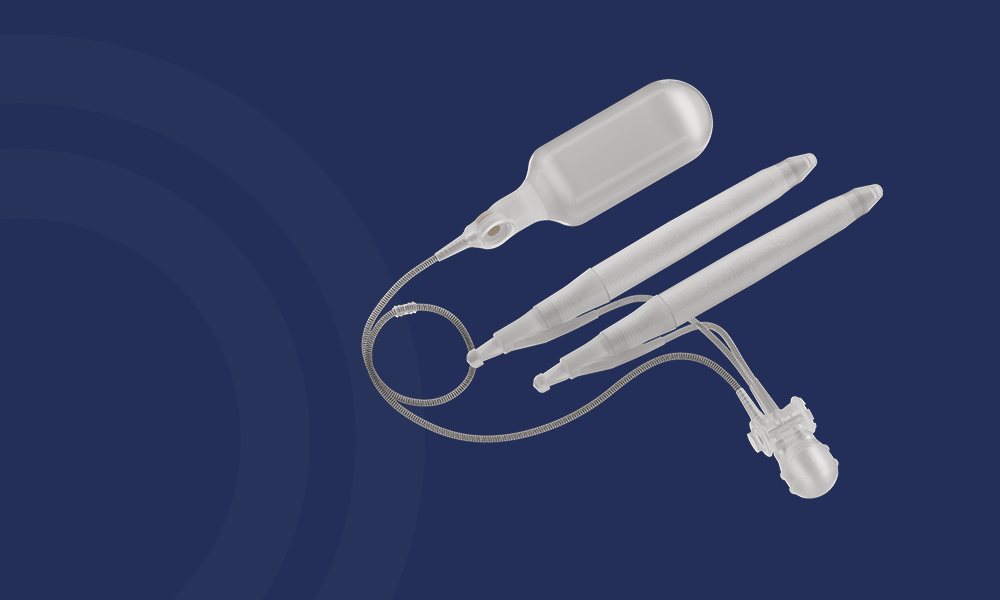
Rigicon designs and manufactures urological prosthetic devices, including inflatable and malleable penile implants and artificial urinary sphincters. Outcomes in this field depend on both the device and the training behind its use.
Rigicon works alongside professional societies, teaching institutions, and individual mentors to support cadaveric labs, live surgery sessions, proctoring, and independent education programs worldwide. In initiatives of this kind the societies set the curriculum, the standards, and the selection of participants; manufacturers help make the training accessible. That division of responsibility — clinical independence on one side, technical and logistical support on the other — is what allows medical education to remain credible.
Rigicon is a sponsor of the SUPS Resident Education and Surgical Lab and has supported the program since 2021. That support goes to the training program itself. SUPS sets the curriculum, selects the faculty, and confers the FGPS designation independently of its sponsors; Rigicon has no role in who receives the designation.
Rigicon is glad to work in tandem with SUPS and the wider prosthetic urology community toward the same objective: safe procedures, well-trained surgeons, and high-quality outcomes for patients.
Frequently Asked Questions
Q: What is the Resident Education and Surgical Lab?
A: It is a hands-on training program presented by the Society of Urologic Prosthetic Surgeons, giving residents and early-career urologists supervised instruction in penile prosthesis and artificial urinary sphincter surgery. The 2026 lab takes place on October 9, 2026 in Orlando, Florida.
Q: What is the FGPS designation?
A: FGPS stands for Fellow of Genitourinary Prosthetic Surgery. It is a selective designation conferred by the Society of Urologic Prosthetic Surgeons, based on objective criteria covering surgical volume, professional conduct, and continued contribution to the field.
Q: Who presented the 2026 FGPS designations?
A: The designations were presented by Dr. Paul Perito, President of the Society of Urologic Prosthetic Surgeons.
Q: How many FGPS designations were awarded?
A: Seventy surgeons were awarded the FGPS designation by SUPS in 2026. Those who have confirmed that they wish to be named are listed above; the list is updated as further confirmations arrive.
Q: Does Rigicon select the recipients?
A: No. The designation is conferred by SUPS against its own published criteria. Rigicon’s role is to support surgical education and to celebrate surgeons recognized by their peers.
Q: Does Rigicon sponsor SUPS?
A: Rigicon has sponsored the SUPS Resident Education and Surgical Lab since 2021. That sponsorship supports resident training. It carries no influence over the curriculum, the faculty, or the conferral of the FGPS designation, all of which are decided by SUPS.
Q: I am a patient — what does this list mean?
A: It identifies surgeons who hold the FGPS designation from SUPS. It is not a ranking, and it is not a recommendation of one surgeon over another. Licensure and board certification should be confirmed through the relevant state medical board, the American Board of Urology, or the equivalent licensing authority in the surgeon’s country.
Q: I am a surgeon — how can I access training?
A: Upcoming education programs and application windows are announced by SUPS through its own channels.
Learn More
Medical Disclaimer. This article is provided for general informational and educational purposes only and does not constitute medical advice. Penile prosthesis and artificial urinary sphincter implantation are surgical procedures that carry benefits and risks, including infection, device malfunction, erosion, and the possible need for revision surgery. Individual results vary. Device availability and approved indications differ by country. Any decision about treatment should be made with a qualified urologist following a full clinical assessment. Inclusion in the list above reflects recognition by the Society of Urologic Prosthetic Surgeons and does not constitute an endorsement or recommendation of any individual surgeon by Rigicon, Inc.
Rigicon® and Rigicon product names are trademarks of Rigicon, Inc. SUPS and FGPS are marks of the Society of Urologic Prosthetic Surgeons. All other names and marks appearing in Fellows’ descriptions are the property of their respective owners and are used for identification purposes only.