 Understanding ED



Penile Implants and Other ED Treatment Options
Finding the right treatment for erectile dysfunction starts with understanding all your choices. From lifestyle adjustments to advanced surgical solutions, there is a path forward for everyone. Explore the options below to see how they compare and discuss them with your doctor to find the best fit for you.
Medically reviewed by the Rigicon Medical Advisory Board · Last updated October 5, 2026

On this page
The ED Treatment Pathway
Treatment for ED typically follows a step-by-step approach, starting with the least invasive options. If first-line treatments are not effective, your doctor may recommend moving to the next level.
Lifestyle Changes
For some men, improving diet, increasing exercise, quitting smoking, and reducing alcohol intake can significantly improve erectile function. This is often the first step.
Oral Medications (PDE5s)
PDE5 inhibitors (such as sildenafil or tadalafil) are a common second step. They work by increasing blood flow to the penis but require sexual stimulation to be effective.
Devices & Injections
If pills are not effective, options like vacuum erection devices (VEDs) or self-administered penile injections (ICI) can create an erection on demand.
Penile Implants
When other treatments fail or are not preferred, a penile implant offers a permanent, long-term solution. It is a concealed device that provides a reliable, on-demand erection.
Learn MoreWhat Is a Penile Implant (Penile Prosthesis)?
A penile implant, also called a penile prosthesis, is a medical device that a urologist surgically implants completely inside the body to treat erectile dysfunction (ED). It lets a man get an erection firm enough for sex when he chooses, and no part of it shows on the outside.
Medical guidelines describe an implant as an option when other ED treatments, such as pills, injections or a vacuum device, have not worked, or when a man prefers a lasting solution [7][8]. The European Association of Urology (EAU) gives this a strong recommendation, as long as patients are fully informed about the benefits and harms [7]. With proper counseling, implants have one of the highest satisfaction rates of any ED treatment: 92–100% of patients and 91–95% of partners in the studies the EAU reviewed [7].
There are two things to know up front. First, an implant is best thought of as permanent. It can be removed, but other ED treatments are unlikely to work reliably afterward [8]. Second, an implant makes the penis firm. It does not change sex drive, and it does not improve orgasm or ejaculation [8]. Talk to your urologist about what an implant can and cannot do for you. Learn more: what a penile implant is and how a penile prosthesis works.
Types of Penile Implants: Inflatable vs. Malleable
There are two main classes of penile implants: inflatable and semi-rigid, also called malleable [7].
- Three-piece inflatable. Two cylinders sit inside the penis, a small pump sits in the scrotum, and a fluid reservoir sits in the lower belly. Squeezing the pump fills the cylinders and creates an erection. Pressing a release lets the penis go soft again. Many men prefer this type because the erection feels more "natural," although no randomized trials have compared satisfaction between types [7].
- Two-piece inflatable. This type has no separate reservoir in the belly. It may suit men for whom a reservoir would be risky, such as after certain abdominal surgeries, and it can be easier to operate [7][8].
- Malleable (semi-rigid). Two bendable rods keep the penis firm at all times. You bend it up for sex and down for daily life. The surgery is simpler and the device is easy to use, which can help men with limited hand strength. The trade-off is constant firmness that is harder to hide [7][8].
No head-to-head studies show that one manufacturer's implant, or one type, is better than another [7]. Your urologist will help you choose based on your body, your health and your preferences. Rigicon makes both inflatable and malleable implants; product availability differs by country.
Penile implants are also used in transgender men after phalloplasty; this needs specialized surgical planning. Learn more in our guide to penile implants for transgender men.
Penile Implant Surgery: What to Expect
How it is done. The surgeon makes one small cut, most often where the penis meets the scrotum or just above the penis. Studies show no clear advantage of one approach over the other [7]. The cylinders or rods go inside the two erection chambers of the penis. For inflatable devices, the pump goes in the scrotum [7].
Before surgery. Any infection in the body, on the skin or in the urine must be treated first [8]. Your team will also review conditions such as diabetes, which raises the risk of implant infection [7].
Risks. The two main problems are infection and mechanical failure [7]. With careful technique and antibiotics, infection after a first implant is about 2–3% in low-risk patients at high-volume centers. With coated devices it can fall to 1–2% [7]. An infected implant usually has to be removed [8]. Less common problems include erosion of the device through tissue (1–6%) [7]. See the downsides and risks of a penile prosthesis.
How long it lasts. In a large review summarized by the EAU, 87.2% of implants were still working at 5 years, 76.8% at 10 years, and 52.9% at 20 years [7][5]. Ask your surgeon about their own experience and results, and see how many years a penile implant lasts.
Recovery and Life After Penile Implant Surgery
Recovery is different for everyone, and your surgeon sets your schedule. In one study at a single center, patients stayed in the hospital a little over one day on average, and the drain was removed the day after surgery [10].
Pain. Some pain is normal at first, and it usually fades over a few weeks. In a U.S. study of 96 men who had a three-piece inflatable implant, about half (47.9%) reported no pain by two weeks. Severe pain dropped from 46.2% of men on day 2 to 11.1% on day 30 [9]. Lingering discomfort was most often in the shaft or head of the penis [9].
Using the device. An inflatable implant is not used right away. In the single-center study above, the surgeon first showed patients how to inflate and deflate it about four weeks after surgery, once swelling had gone down and the wound had healed [10]. Your surgeon decides when you can start using the device and resume sex.
Infection. Infection usually appears within the first three months [8]. Contact your surgeon promptly if anything about your healing worries you. Guidelines recommend talking through pain, healing and the time until you can safely use the device before surgery [8]. See also: whether a catheter is needed after penile implant surgery.
What Does a Penile Implant Look Like?
From the outside, an implant is hidden. All parts sit inside the body.
Inflatable implant. When the device is deflated, the penis is soft and hangs naturally. When it is inflated, the penis is firm and erect [7].
Malleable implant. The penis is always firm. You can bend it down for daily wear, but it cannot be "deflated," so it can be harder to conceal [7][8].
Before and after: what changes and what doesn't. An implant makes the shaft of the penis rigid. It usually does not make the head of the penis (the glans) firmer [8]. Some men feel their erect penis is shorter than their natural erections were years ago. In one study cited by the American Urological Association (AUA), 72% of men said their length had decreased, yet measurements before surgery and six months after were statistically the same [8]. Possible reasons include memories of erections from before ED began, tissue that has lost stretch over time, and weight gain in the pubic area [8]. Men with scarring from an earlier implant or from priapism may also lose some girth [8]. Ask your surgeon what to expect for your own body before surgery, and see whether a partner can tell.
Penile Implant Cost and Insurance
The total cost of a penile implant includes the device, the surgeon, anesthesia, and the hospital or surgery center. It varies with where you live, the type of implant, your health and your insurance plan. The AUA notes that cost can be one reason a malleable implant is chosen [8].
Coverage. Whether a penile implant is covered depends on your country's health system and on your insurance plan, and usually on medical need. Rules differ from country to country and from plan to plan.
Before you schedule: ask your urologist's office to check your benefits, ask whether your plan or health system needs to approve the surgery in advance, and request a written estimate that covers the surgeon, the facility and anesthesia. See also the average cost of a penile implant and whether insurance covers penile implant surgery.
A Closer Look at Penile Implants
Penile implants, also known as penile prostheses, are medical devices surgically placed within the penis to provide the rigidity needed for sexual intercourse. They are a highly effective and satisfying solution for men with ED. Rigicon offers a range of advanced implants to suit different patient needs and anatomies.
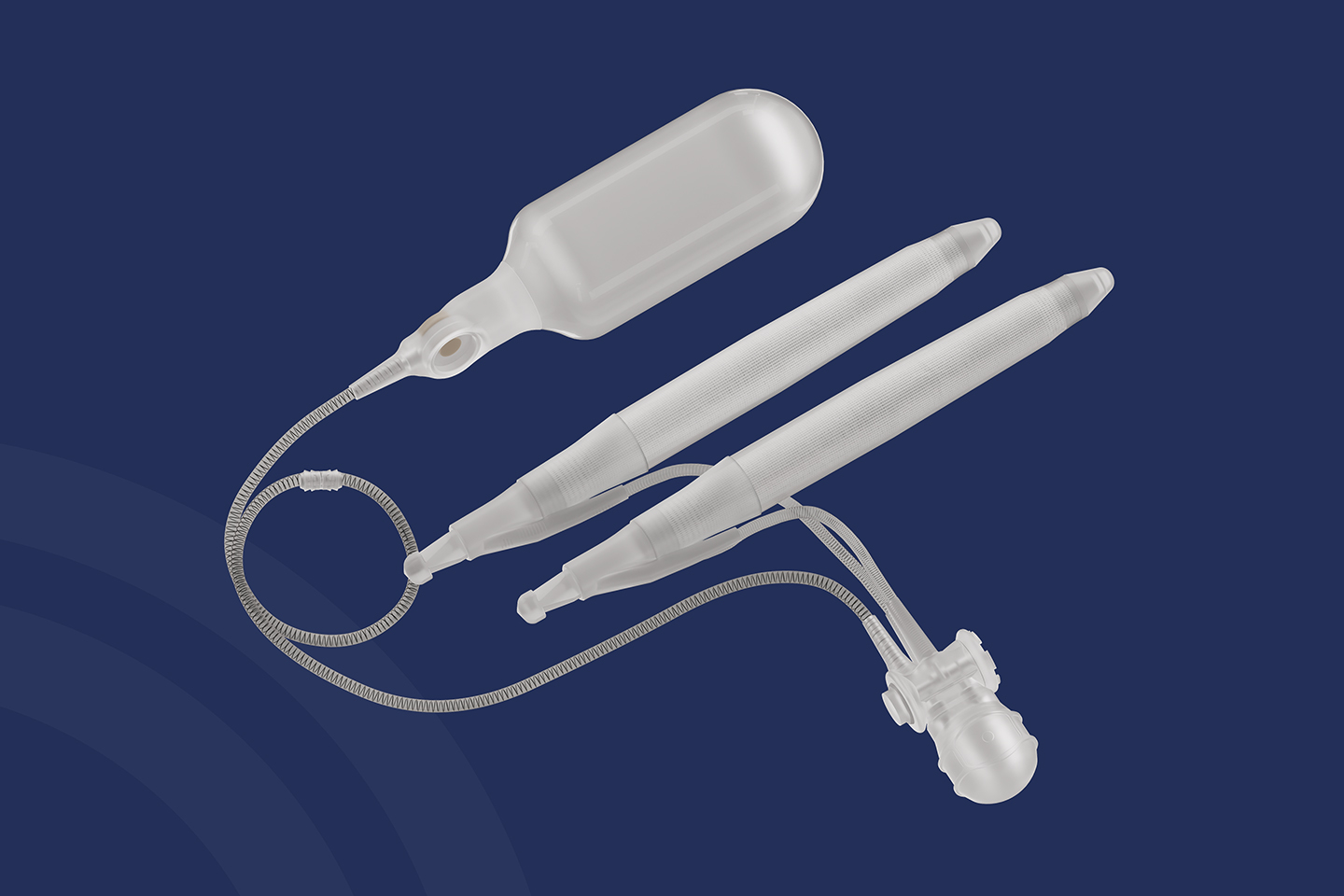
Dynamic Inflatable Penile Prosthesis
The most advanced type of implant, providing a natural-feeling erection and a soft, flaccid state. The three-piece system is fully concealed and offers excellent rigidity and girth expansion.
Learn more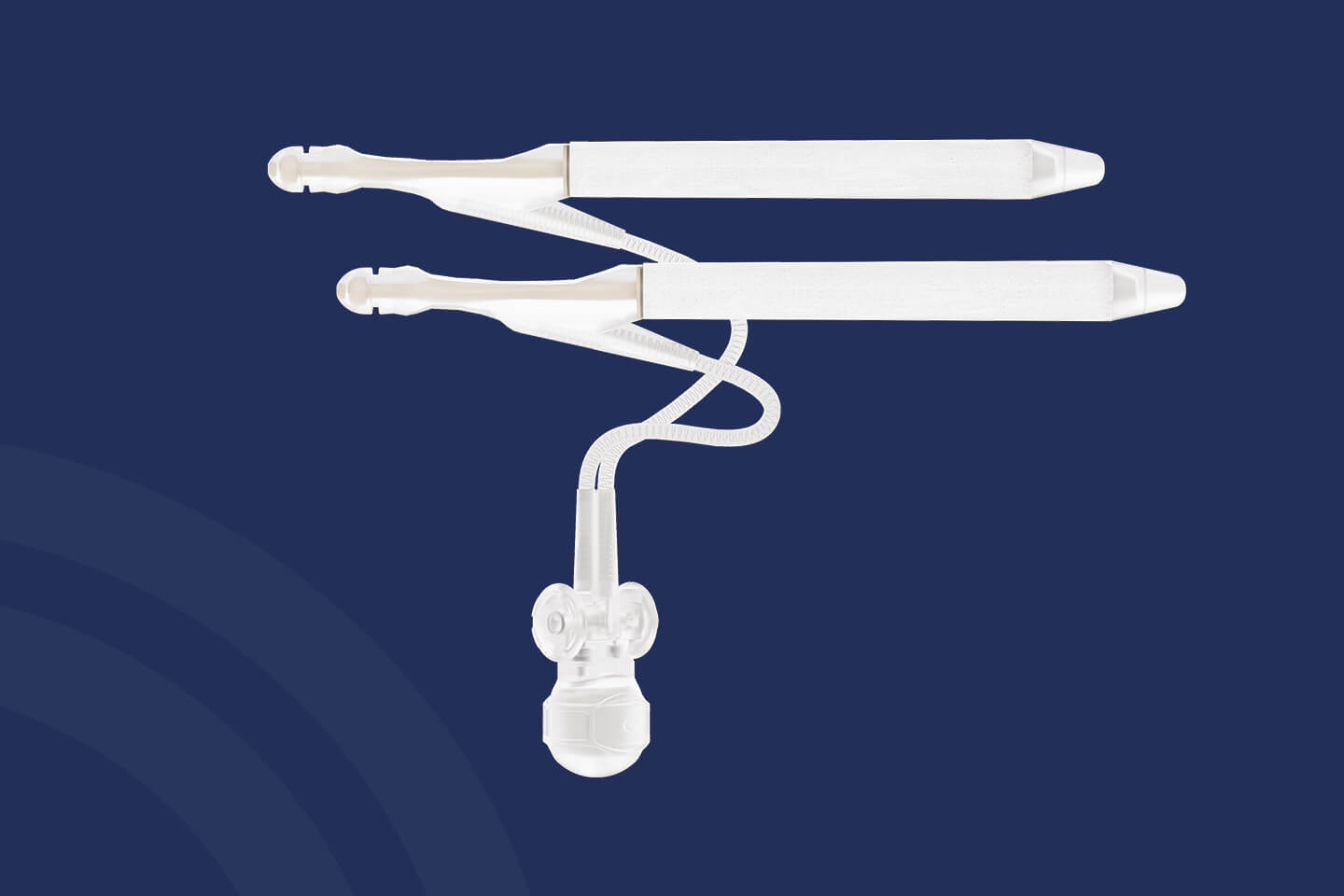
Two-Piece Inflatable Penile Prosthesis
A simplified inflatable option that combines the reservoir and pump. It offers the benefits of an inflatable device with a less complex surgical procedure.
Learn more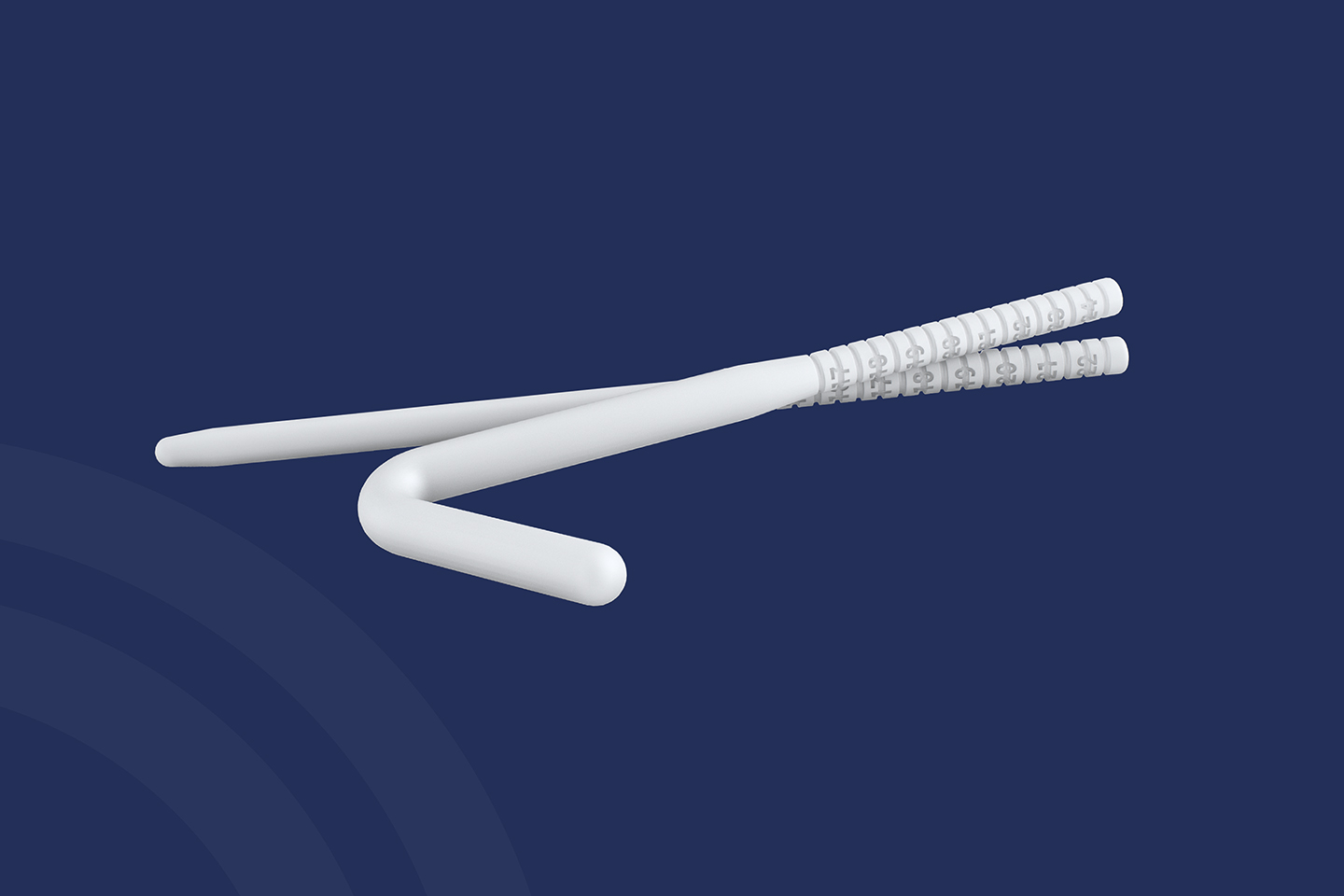
Malleable Penile Prosthesis
A simple and highly durable solution. The semi-rigid rods provide constant firmness and are manually positioned for intercourse and concealment. It is easy to use and has no mechanical parts.
Learn moreCould a Penile Implant Be Your Solution?
Consider whether a penile implant might be suitable for you based on these criteria:

Previous Treatments Were Unsuccessful
You have already explored conventional options such as oral medications, injection therapy, or vacuum pumps, and found them ineffective or experienced intolerable side effects.

You Desire a Lasting, On-Demand Solution
You prefer a definitive treatment that eliminates the need for advance preparation or taking pills before intimacy. An implant provides reliable erections at any moment you choose.

You Are Open to Surgical Treatment
You recognize this involves a surgical procedure and are willing to have an in-depth conversation with a specialist to reach a well-informed, collaborative decision about your care.
Frequently Asked Questions About ED Treatment
What is the first treatment I should try for ED?
Treatment typically starts with the least invasive options. For many men, lifestyle changes such as improving diet, increasing exercise, quitting smoking, and reducing alcohol can make a significant difference. If these don't fully resolve the issue, oral medications (PDE5 inhibitors such as sildenafil or tadalafil) are usually the next step. Your doctor will help determine the best starting point based on your health.
How do I know if oral medications will work for me?
Oral ED medications are effective for many men, but they may not work for everyone—especially those with certain health conditions like diabetes, heart disease, or those who have had prostate cancer treatment. These medications require sexual stimulation to work and may have side effects. Your doctor can assess your medical history to determine if pills are a suitable option for you.
What if pills don't work for my ED?
If oral medications aren't effective or cause unwanted side effects, your doctor may recommend other options. These include vacuum erection devices (VEDs), which use a pump to draw blood into the penis, or penile injections (ICI) that deliver medication directly. If these also don't work, a penile implant offers a permanent, reliable solution.
What is a penile implant and how does it work?
A penile implant (or penile prosthesis) is a medical device surgically placed inside the penis to provide the rigidity needed for sexual intercourse. There are two main types: inflatable implants, which use a pump to create an erection and allow for a natural flaccid state, and malleable (bendable) implants, which provide constant firmness and are manually positioned. Both are fully concealed inside your body.
Will a penile implant feel natural to my partner?
Yes. Most partners report that sex feels natural with a penile implant. The device provides firmness for intercourse while preserving sensation, orgasm, and ejaculation. Inflatable implants also allow for a soft, natural-feeling flaccid state when not in use, so it's almost completely discreet.
How long does a penile implant last?
Modern penile implants are designed for long-term use. In a meta-analysis of 12 studies, about 87% of inflatable implants were still working at 5 years, and the median device survival time was about 20 years.[5] The Rigicon Infla10® has demonstrated a 95.6% freedom from revision or removal at 21 months in clinical studies.[6] While some may eventually require revision surgery, a penile implant is considered a permanent solution that restores the ability to have spontaneous erections on demand.
Ready to take the next step?

Speak privately with a Patient Counselor
Get personalized information about inflatable penile prostheses in a confidential consultation. Our patient counselors understand the sensitive nature of ED and provide judgment-free support.
What you'll discuss:
- Your specific ED history and concerns
- How inflatable prostheses work
- Recovery expectations and timeline
- Finding the right surgeon for you

Private referral to a Rigicon Global Reference Center
Connect with experienced urologists in your area who specialize in penile prosthesis surgery. Our surgeon directory includes qualified professionals familiar with Infla10® Pulse™ products.
How it works:
- Share your location and needs
- We identify up to three reference centers in your area
- With your consent, the clinics contact you directly
- Free of charge for patients
Your privacy is our priority: Your enquiry is confidential. We never sell personal data.
Rigicon® Talks Videos
Rigicon Talks brings together doctors from around the world to share knowledge, helping patients better understand their treatment options.

Top 10 Questions Answered About Penile Prosthesis
| Time | Question | Play |
|---|---|---|
| 01:24 | Are you a candidate for a penile implant? | |
| 03:03 | Will the penile implant affect ejaculation or orgasm? | |
| 04:11 | Will the penile implant affect the length and girth of the penis? | |
| 05:09 | Will my partner notice the implant? | |
| 07:07 | How long is the recovery period after penile implant surgery? | |
| 08:24 | How to prepare for penile implant surgery? | |
| 09:33 | Can I choose the type of the penile implant I receive? | |
| 11:50 | How does the penile implant affect the appearance and feel of the penis? | |
| 14:30 | Will the penile implant interfere with urination? | |
| 15:46 | What is the lifetime of a penile implant and what is the likelihood of needing a revision? |

The Patient and Nurse Perspective in Prosthetic Urology
| Time | Question | Play |
|---|---|---|
| 00:40 | What is the nurse's role in prosthetic urology surgeries, and how do nurses help patients prepare for the procedure? | |
| 02:23 | How can nurses help patients manage their expectations and concerns before surgery? | |
| 03:26 | What does the typical recovery process look like after surgery? | |
| 05:19 | How does teamwork between nurses and surgeons impact patient care and outcomes in prosthetic urology surgeries? | |
| 06:06 | What advice would you give to patients considering an implant? |
Discover More
Patient Education Resources


Prosthetic Urology FAQs
Evidence-based FAQs on artificial urinary sphincters, penile and testicular prostheses—grounded in peer-reviewed research and international guidelines

Prosthetic Urology Glossary
Evidence-based glossary covering penile implants, AUS, ED treatments, and surgical terms in prosthetic urology
Specialized Treatment Information

Penile Implant Revision Options
Comprehensive solutions for revision surgeries and complex cases requiring specialized approaches

Solutions After Prostate Cancer Treatment
Specialized ED treatment options for patients following prostatectomy and other prostate cancer treatments

Solutions for Prostate Surgery & Diabetes ED
Specialized treatments for erectile dysfunction related to prostate surgery and diabetes complications

When Oral ED Medications No Longer Work
Advanced treatment options for patients who no longer respond to oral ED medications

Urinary Sphincter Solutions After Prostate Cancer
Artificial urinary sphincter options for managing incontinence after prostate cancer treatment
Rigicon Talks
Listen to expert discussions, patient stories, and educational content about prosthetic urology on your favorite platform.
Disclaimer
Important Notice:
This website provides educational information only and does not constitute medical advice. Product availability varies by country. Always consult with qualified healthcare professionals for medical decisions.
Regulatory Information:
Rigicon products are medical devices that require prescription and surgical implantation by qualified urologists. Individual results may vary.
Warranty Availability & Terms:
A Product Replacement Warranty is available for the Rigicon Infla10® Pulse™ family of inflatable penile prostheses and Rigi10™ family of malleable penile prostheses in countries/regions where the products are sold, subject to the Rigicon Limited Warranty Policy and applicable local laws. Availability and terms vary by country/region; void where prohibited by law. Coverage is limited to device replacement for defects in materials or workmanship as determined by Rigicon; applies to the original patient only, is non-transferable, and requires replacement with a Rigicon device. The warranty does not cover surgical, hospital, or physician fees; removal/re-implantation costs; or damage from misuse, trauma, or off-label use. This warranty does not guarantee clinical outcomes. For complete terms and claim instructions, please refer to the Rigicon Limited Warranty Policy.
References:
[1] Infla10® Pulse™ Series, Infla2P™, ContiReflex®, ContiClassic® and Testi10™ products are not available for sale within the United States.[2] Rigicon® Infla10® Inflatable Penile Prosthesis Data on file.
[3] Salonia, A., et al. (2024). EAU Guidelines on Sexual and Reproductive Health. European Association of Urology.
[4] Hatzimouratidis, K., et al. (2010). Guidelines on male sexual dysfunction: erectile dysfunction and premature ejaculation. European Urology, 57(5), 804-814.
[5] Miller, L.E., et al. (2022). Long-Term Survival Rates of Inflatable Penile Prostheses: Systematic Review and Meta-Analysis. Urology, 166, 6-10.
[6] Wilson, S.K., et al. (2023). Initial safety outcomes for the Rigicon Infla10® inflatable penile prosthesis. BJU International, 131(6), 729-733.
[7] Salonia, A., Boeri, L., Capogrosso, P., et al. (2025). EAU Guidelines on Sexual and Reproductive Health, §5.6.11.2.1 and §5.6.12, pp. 55–57. European Association of Urology.
[8] Burnett, A.L., Nehra, A., Breau, R.H., et al. (2018). Erectile Dysfunction: AUA Guideline. The Journal of Urology, 200(3), 633-641.
[9] Xiang, A., Braun, A.E., Chang, C., et al. (2025). Penoscrotal inflatable penile prosthesis recipients often fully recover from pain at two weeks following placement. International Journal of Impotence Research, 37(2), 133-138.
[10] Üre, I., et al. (2026). The Impact of Penile Prosthesis Type on Early Postoperative Pain: A Prospective Comparative Study. Journal of Clinical Medicine, 15(14), 5594.