 Understanding ED



Understanding and Treating Male Urinary Incontinence
Urinary incontinence, or the involuntary loss of bladder control, is a common condition that can significantly impact a man's quality of life. It's not a normal part of aging, but a treatable medical condition. This guide provides clear, reliable information on the types of male incontinence, why it happens, and the full range of treatments to help you regain control and confidence.

On this page
What is Male Urinary Incontinence?
Urinary incontinence is the accidental leakage of urine. It occurs when the muscles and nerves that help the bladder hold or release urine are not working correctly. There are several different types of incontinence in men:
Stress Incontinence (SUI)
The most common type after prostate surgery. Leakage happens when pressure is put on the bladder during activities like coughing, sneezing, laughing, or lifting heavy objects.
Urge Incontinence
A sudden, intense urge to urinate followed by an involuntary loss of urine. You may not have enough time to get to a bathroom. This is often a symptom of an overactive bladder (OAB).
Overflow Incontinence
Characterized by frequent or constant dribbling of urine due to a bladder that doesn't empty completely. It may feel like you never fully empty your bladder.
Mixed Incontinence
A combination of incontinence types, most commonly stress and urge incontinence. You may leak urine both when you cough and when you have a sudden, strong urge.
Why Stress Incontinence Happens After Prostate Surgery
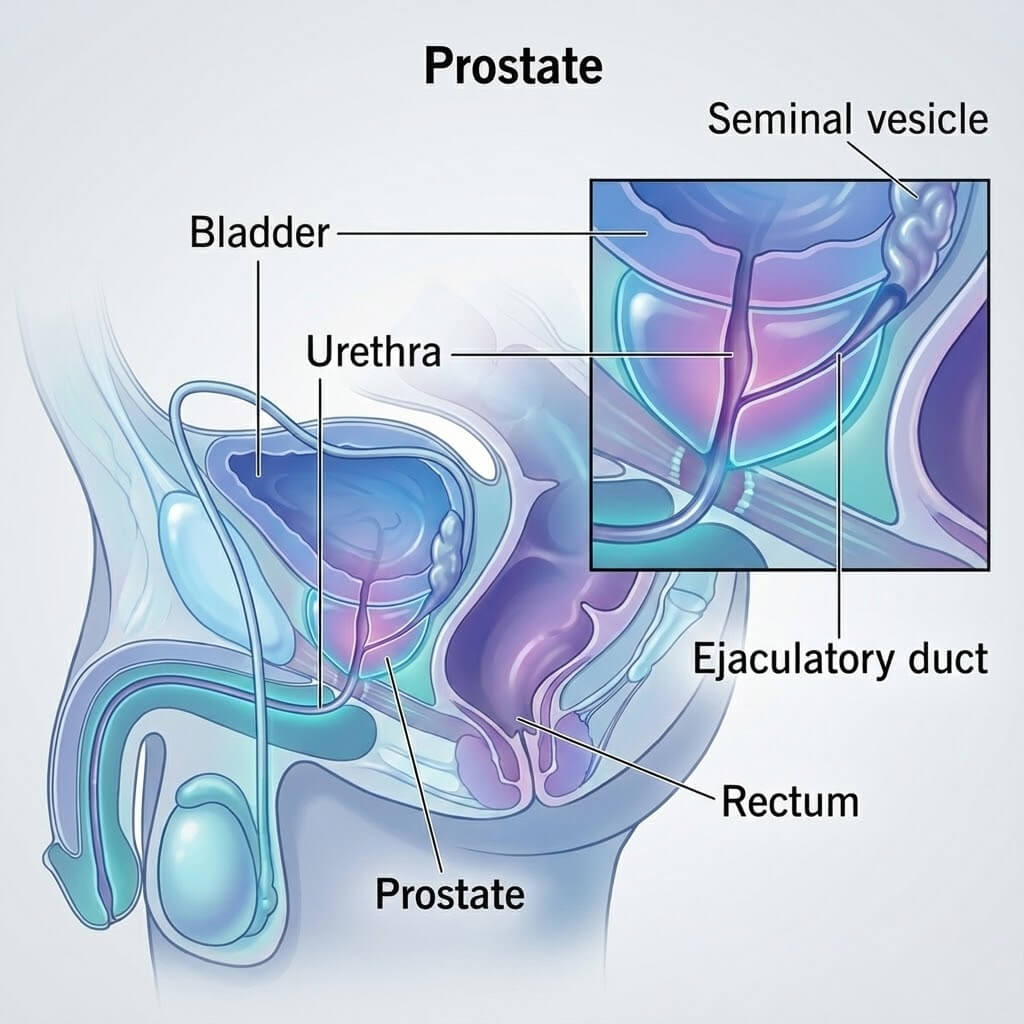
For many men, stress urinary incontinence (SUI) begins after treatment for prostate cancer or an enlarged prostate (BPH). The prostate gland surrounds the urethra, and the urinary sphincter—a circular muscle that controls the flow of urine—sits just below it.
During prostate surgery (prostatectomy), the prostate is removed, which can sometimes damage or weaken the nearby urinary sphincter. When this muscle can no longer close firmly, it can't prevent urine from leaking out during moments of physical stress.
This is why activities like coughing, lifting, or even standing up can cause leakage. Understanding this connection is the first step toward finding the right solution.
For men who experience persistent SUI after prostate treatment, an artificial urinary sphincter is often the most effective long-term solution.
Understanding Your Treatment Options
The right treatment for male urinary incontinence depends on the type and severity of your symptoms. It's important to discuss all available options with your urologist.
A Closer Look at the Artificial Urinary Sphincter
The Artificial Urinary Sphincter (AUS) is a fully internal device that gives you back control. Rigicon offers advanced, patient-centric solutions:
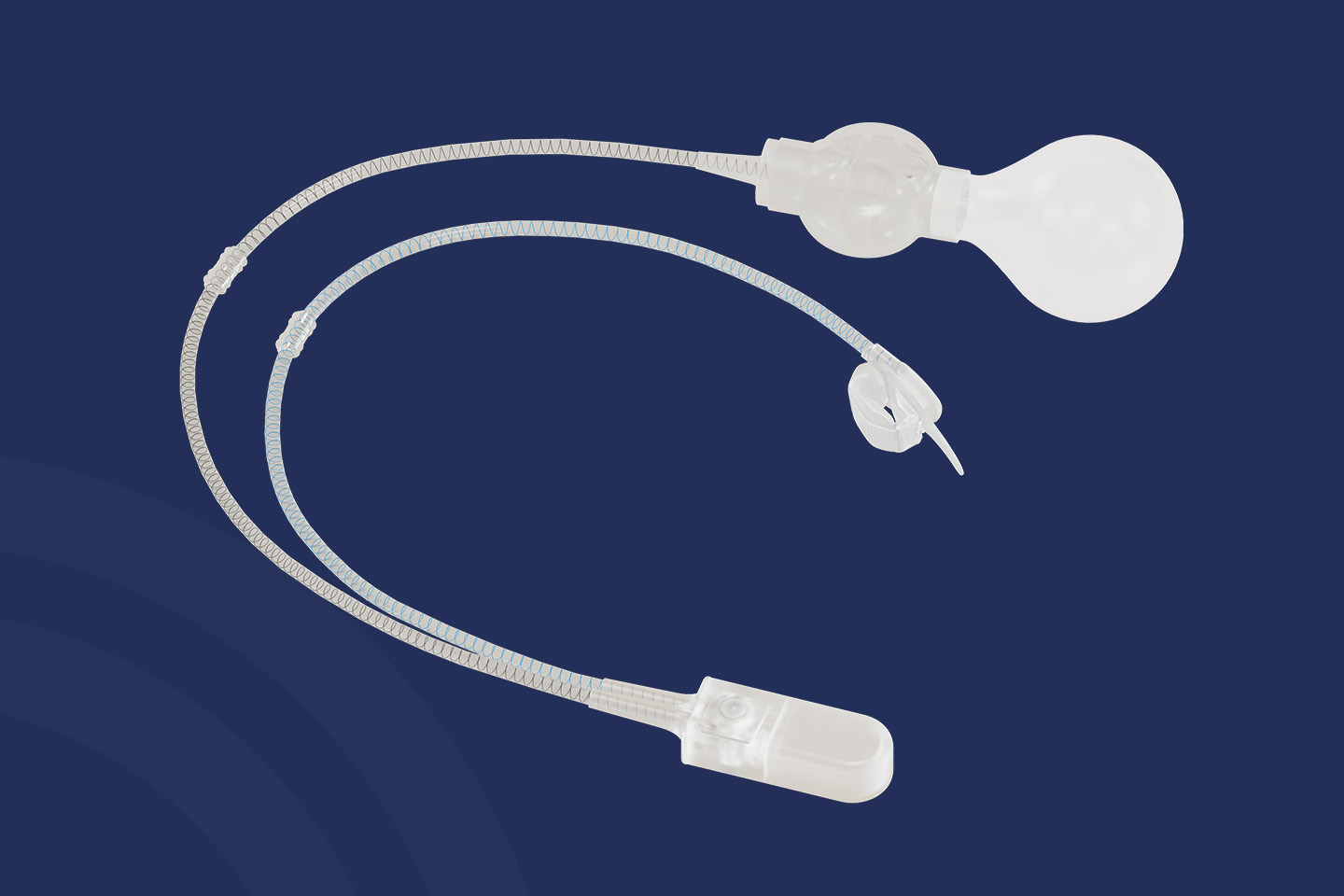
Enhanced Artificial Urinary Sphincter
Smart pressure-adapting solution for bladder control. ContiReflex® features innovative Smart Reflex Balloon technology that senses changes in abdominal pressure and automatically adjusts cuff pressure in real-time. This dynamic adaptation provides enhanced protection against stress leakage during physical activities while maintaining lower resting pressure to help reduce urethral erosion risk over time. Ideal for men with active lifestyles or variable activity levels.
Learn more
Artificial Urinary Sphincter
Reliable control with customizable pressure settings. ContiClassic® offers five different pressure regulating balloon options (40-89 cm H₂O) to precisely match your individual needs. The unique night deactivation feature allows the cuff to be released during sleep, protecting urethral tissue during extended periods of compression. With multiple cuff sizes and consistent pressure delivery, it provides dependable continence control for everyday activities.
Learn moreIs an Artificial Urinary Sphincter Right for You?
An AUS implant may be the right choice if you identify with the following:

You Experience Stress Urinary Incontinence
You leak urine when you cough, laugh, exercise, or lift something heavy. This is the primary indication for an AUS.

You Want a Reliable, Internal Solution
You are looking for a permanent, discreet solution that restores bladder control without the need for pads or external clamps.

You Have Sufficient Hand Dexterity
You have the ability to squeeze a small, simple pump (placed in the scrotum) to urinate. Your surgeon will confirm this with you.
Comparing your options
Rigicon offers two advanced Artificial Urinary Sphincter solutions: ContiReflex® and ContiClassic®. Both provide excellent control of urinary incontinence but with different features to meet individual patient needs.
| Feature | ContiReflex® | ContiClassic® |
|---|---|---|
| Technology | Smart Reflex Balloon that adapts to pressure changes | Standard pressure regulation system |
| Pressure adaptation | Dynamic - adjusts in real-time to abdominal pressure | Fixed - maintains consistent pressure |
| Pressure options | Adaptive pressure | Five different pressure options (40-89 cm H₂O) |
| Cuff sizes | Multiple sizes for optimal fit | Multiple sizes for optimal fit |
| Urethral protection | Lower resting pressure with dynamic increases when needed | Night deactivation option to protect urethral tissue |
| Coating | HydroShield™ hydrophilic coating | HydroShield™ hydrophilic coating |
| Connectors | EasyClick™ tool-free connectors | EasyClick™ tool-free connectors |
| Best for | Men with variable activity levels and higher risk of stress leakage | Men who prefer consistent pressure with night deactivation option |
| Compatibility | Can be used with Infla10® Penile Prosthesis | Can be used with Infla10® Penile Prosthesis |
Need help choosing? Both options are fully internal and provide reliable results. Your surgeon will help you determine the best choice based on your lifestyle and preferences.
Frequently Asked Questions
Is it visible?
No—there are no external parts. The entire device is placed inside your body, with nothing visible from the outside.
Can I have MRI?
Yes, ContiClassic® and ContiReflex® devices are MR-Conditional, meaning you can safely undergo MRI under specified conditions. Always tell radiology you have an Artificial Urinary Sphincter before any imaging.[3]
Is it only for prostate surgery patients?
No. While many men develop stress incontinence after prostate surgery, the Artificial Urinary Sphincter can help men with incontinence from various causes, including neurological conditions, trauma, or other surgeries.
How long will the device last?
Modern Artificial Urinary Sphincter devices are designed for long-term use. Studies show that approximately 72-75% of devices are still functioning after 5 years, though some may require revision or replacement over time.[5]
Will I still feel the urge to urinate?
Yes. The Artificial Urinary Sphincter doesn't affect your bladder sensations. You'll still feel when your bladder is full, but the device prevents leakage until you choose to urinate.
What happens if I can't operate the pump?
If you develop conditions that affect your hand dexterity (like arthritis), discuss this with your doctor. In some cases, adjustments or alternative solutions may be needed.
Ready to take the next step?

Speak privately with a Patient Counselor
Get personalized information about Artificial Urinary Sphincter in a confidential consultation. Our patient counselors understand the sensitive nature of urinary incontinence and provide judgment-free support.
What you'll discuss:
- Your specific situation and concerns
- How the Artificial Urinary Sphincter works
- Recovery expectations and timeline
- Finding the right surgeon for you

Private referral to a Rigicon Global Reference Center
Connect with experienced urologists in your area who specialize in Artificial Urinary Sphincter implantation. Our surgeon directory includes qualified professionals familiar with Rigicon products.
Search by:
- Geographic location
- Implantation experience
- Insurance acceptance
- Patient reviews and outcomes
Your privacy is our priority: Your enquiry is confidential. We never sell personal data.
Rigicon® Talks Videos
Rigicon Talks brings together doctors from around the world to share knowledge, helping patients better understand their treatment options.

Top 10 Questions About Artificial Urinary Sphincters
| Time | Question | Play |
|---|---|---|
| 00:00 | Welcome to Rigicon Talks | |
| 00:30 | Prof. Koenraad van Renterghem | |
| 01:10 | Mr. Rowland Rees | |
| 01:42 | Dr. Tobias Pottek | |
| 02:20 | How do I know if I am a candidate for the artificial urinary sphincter? | |
| 04:15 | How does the artificial urinary sphincter work? | |
| 06:35 | Can I choose the type of AUS I receive? | |
| 10:12 | Will the AUS be noticeable to others? | |
| 12:55 | What can I expect during recovery from AUS surgery? | |
| 15:56 | How do I prepare for AUS surgery? | |
| 20:50 | What should I discuss with my doctor before getting an AUS? | |
| 26:35 | Can I still engage in physical activities with an AUS? | |
| 30:33 | Can I have an MRI with an artificial urinary sphincter? | |
| 31:55 | How long does an AUS last, and what is the likelihood of needing a revision? | |
| 36:45 | Last advice |

The Patient and Nurse Perspective in Prosthetic Urology
| Time | Question | Play |
|---|---|---|
| 00:40 | What is the nurse's role in prosthetic urology surgeries, and how do nurses help patients prepare for the procedure? | |
| 02:23 | How can nurses help patients manage their expectations and concerns before surgery? | |
| 03:26 | What does the typical recovery process look like after surgery? | |
| 05:19 | How does teamwork between nurses and surgeons impact patient care and outcomes in prosthetic urology surgeries? | |
| 06:06 | What advice would you give to patients considering an implant? |
Discover More
Patient Education Resources


Prosthetic Urology FAQs
Evidence-based FAQs on artificial urinary sphincters, penile and testicular prostheses—grounded in peer-reviewed research and international guidelines

Prosthetic Urology Glossary
Evidence-based glossary covering penile implants, Artificial Urinary Sphincter, ED treatments, and surgical terms in prosthetic urology
Specialized Treatment Information

Penile Implant Revision Options
Comprehensive solutions for revision surgeries and complex cases requiring specialized approaches

Solutions After Prostate Cancer Treatment
Specialized ED treatment options for patients following prostatectomy and other prostate cancer treatments

Solutions for Prostate Surgery & Diabetes ED
Specialized treatments for erectile dysfunction related to prostate surgery and diabetes complications

When Oral ED Medications No Longer Work
Advanced treatment options for patients who no longer respond to oral ED medications

Urinary Sphincter Solutions After Prostate Cancer
Artificial urinary sphincter options for managing incontinence after prostate cancer treatment
Rigicon Talks
Listen to expert discussions, patient stories, and educational content about prosthetic urology on your favorite platform.
Disclaimer
Important Notice:
This website provides educational information only and does not constitute medical advice. Product availability varies by country. Always consult with qualified healthcare professionals for medical decisions.
Regulatory Information:
Rigicon products are medical devices that require prescription and surgical implantation by qualified urologists. Individual results may vary.
References:
[1] European Association of Urology (EAU) Guidelines on Urinary Incontinence, 2020.[2] ContiReflex® and ContiClassic® products are not available for sale within the United States.
[3] ContiReflex® (IFU), ContiClassic® (IFU)
[4] Salonia, A., et al. (2024). EAU Guidelines on Sexual and Reproductive Health. European Association of Urology.
[5] Linder, B.J., et al. (2015). Long-term Outcomes Following Artificial Urinary Sphincter Placement: An Analysis of 1082 Cases at Mayo Clinic. Urology, 86(3), 602-607.